Chana dal may look like a simple pantry staple, but nutritionally, it has quite a lot going for it.
Popular throughout South Asian cuisine, chana dal provides plant-based protein, dietary fiber, complex carbohydrates, and a variety of vitamins and minerals. Like other pulses, it can be an affordable and versatile addition to a balanced diet.
But does eating chana dal actually offer meaningful health benefits?
There are good reasons to include it in a healthy eating pattern. Rather than thinking of chana dal as a food that can prevent or cure specific diseases, it’s more useful to look at what it provides nutritionally and how those nutrients may support our health.
Let’s take a closer look.
Key Takeaways
- Chana dal is a nutritious pulse that provides plant-based protein, fiber, complex carbohydrates, and several important micronutrients.
- Its combination of protein and fiber may help you stay full, making it a useful addition to a weight-management diet.
- Chickpeas and other pulses generally produce a more gradual blood-sugar response than many refined carbohydrate foods, although preparation, portion size, and the rest of the meal still matter.
- Regularly eating pulses as part of an overall healthy diet may support heart and digestive health.
- Chana dal provides nutrients such as folate, iron, phosphorus, potassium, magnesium, zinc, copper, manganese, and B vitamins.
- People with gout generally do not need to automatically avoid legumes simply because they contain purines, although individual dietary needs can vary.
- Chana dal is nutritious, but it isn’t a miracle food. Its potential benefits are best considered in the context of your overall diet and lifestyle.
What Is Chana Dal?
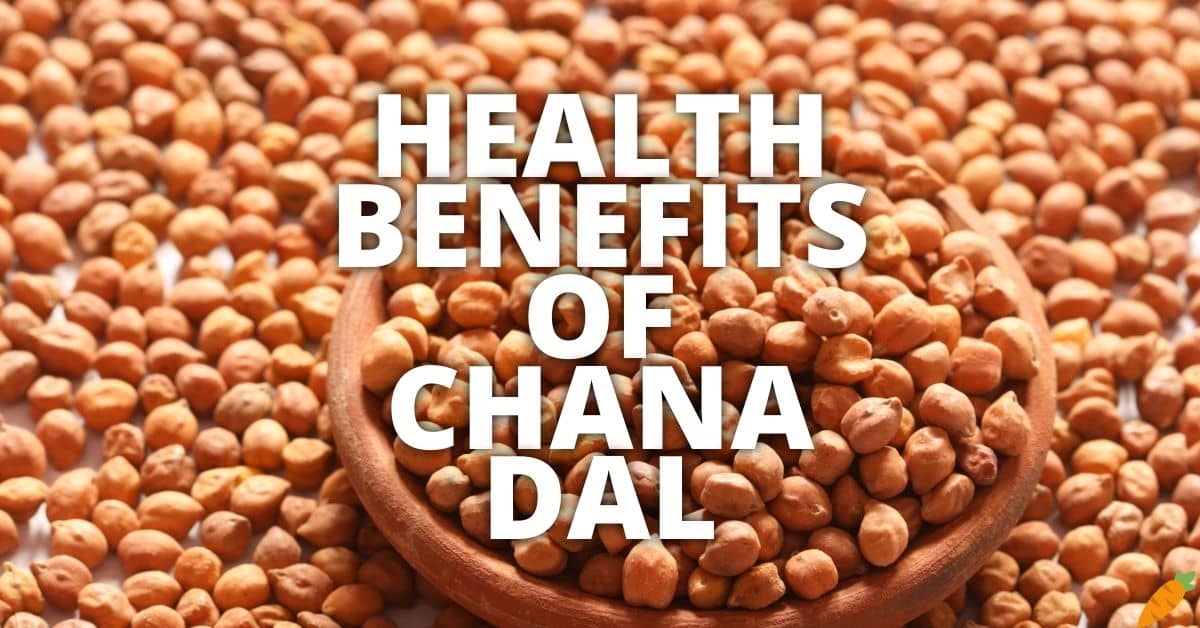
Chana dal is made from split desi chickpeas with their outer seed coat removed. Desi chickpeas are generally smaller and darker than the larger, lighter-colored Kabuli chickpeas commonly sold as garbanzo beans.
Once the outer layer is removed and the chickpea is split, the inside has the familiar yellow appearance associated with chana dal.
Chana dal has a mild, slightly nutty flavor and is commonly used in curries, soups, stews, snacks, and other dishes throughout South Asia.
One point worth clarifying is that chana dal isn’t technically a lentil, even though it’s sometimes described as a yellow lentil. Chickpeas and lentils are both legumes, and their dried edible seeds are classified as pulses.
Nutritionally, pulses are particularly useful because they combine carbohydrates with substantial amounts of fiber and plant protein, something many refined carbohydrate foods don’t provide.
📙 Potential Health Benefits of Mint Chocolate
Here are some of the potential health benefits.
1. Provides Plant-Based Protein
One of the main nutritional advantages of chana dal is its protein content.
Protein is required for far more than building muscle. Your body uses protein to maintain and repair tissues and to make enzymes, hormones, antibodies, and many other important compounds.
For vegetarians and vegans, pulses such as chana dal can be valuable sources of plant-based protein.
Even if you eat meat, adding more pulses can help diversify your protein sources. Chana dal works particularly well alongside vegetables, whole grains, nuts, seeds, dairy products, or other nutritious foods.
Plant proteins don’t need to provide every essential amino acid in ideal proportions at every individual meal. Eating a varied and nutritionally adequate diet throughout the day can provide the essential amino acids your body needs.
📙 Potential Health Benefits of Chili Garlic Oil
2. High in Dietary Fiber
Another major advantage of chana dal is its fiber.
Fiber helps add bulk to stool and supports regular bowel movements, which can help prevent constipation. Certain fibers and resistant carbohydrates in legumes can also be fermented by bacteria living in the colon.
During fermentation, gut bacteria produce compounds such as short-chain fatty acids, which are involved in maintaining the health of the intestinal environment and are being studied for their wider effects on metabolic health.
Fiber can also contribute to feelings of fullness after eating.
There is one potential downside. If you’re not accustomed to eating much fiber, suddenly eating a large serving of chana dal may cause gas, bloating, or abdominal discomfort.
That’s common with legumes and doesn’t necessarily mean you need to avoid them.
If necessary, start with smaller portions and gradually increase your intake while making sure you’re drinking enough fluids.
📙 Potential Health Benefits of Chestnut Mushrooms
3. May Produce a More Gradual Blood-Sugar Response
Chickpeas and other pulses generally produce a lower glycemic response than many refined carbohydrate foods.
Their combination of fiber, protein, starch, and slowly digested carbohydrates can influence how quickly glucose enters the bloodstream after a meal.
Research on chickpeas supports this potential benefit. A 2025 systematic review and meta-analysis of controlled studies found that eating chickpeas reduced overall post-meal glucose exposure compared with carbohydrate-matched control foods. However, the certainty of the evidence was rated low to very low, so more high-quality research is needed.
The glycemic effect of a food also isn’t fixed.
How chana dal is processed and cooked, how much you eat, and the other foods in your meal can all influence your blood-sugar response.
For people with diabetes, chana dal may therefore be a useful source of carbohydrates, fiber, and protein as part of an appropriate eating pattern. However, it shouldn’t be considered a treatment for diabetes or a guarantee of stable blood sugar.
📙 Potential Health Benefits of Crushed Red Pepper Flakes
4. May Support Heart Health
Pulses are frequently included in heart-healthy eating patterns, and their nutritional profile helps explain why.
Chana dal provides fiber and plant protein while naturally containing little saturated fat.
Some types of dietary fiber can help lower LDL cholesterol by reducing the reabsorption of bile acids in the digestive system. Pulses also provide minerals and plant compounds that may contribute to cardiovascular health.
Research examining pulses and legumes more broadly suggests that regularly including them in the diet may help improve some cardiovascular risk factors.
The overall eating pattern matters more than any single food. Chana dal may be particularly useful when it helps replace foods higher in saturated fat or highly refined carbohydrates as part of a diet rich in vegetables, fruits, whole grains, nuts, seeds, and other minimally processed foods.
📙 Potential Health Benefits of Cookies
5. May Help With Fullness and Weight Management
The combination of protein and fiber can make chana dal particularly satisfying.
Both protein and fiber can contribute to satiety, helping meals feel more filling and potentially reducing hunger between meals.
That can make chana dal a useful food for people trying to manage their calorie intake while still eating satisfying meals.
Chana dal itself doesn’t cause weight loss. Changes in body weight depend on overall energy intake and expenditure over time, along with factors such as physical activity, sleep, medications, health conditions, and individual physiology.
What chana dal can provide is a nutrient-dense and filling ingredient that fits comfortably into many healthy weight-management eating patterns.
Preparation matters, too. A simple dal prepared with vegetables and modest amounts of oil will have a different nutritional and calorie profile from one prepared with large amounts of ghee, cream, coconut milk, sugar, or oil.
📙 Potential Health Benefits of Ceremonial Cacao
6. Provides Important Vitamins and Minerals
Chana dal also contributes a variety of micronutrients.
Chickpeas and other pulses can provide nutrients such as:
- Folate
- Thiamine and other B vitamins
- Iron
- Phosphorus
- Potassium
- Magnesium
- Zinc
- Copper
- Manganese
These nutrients perform many different jobs throughout the body.
For example, folate is needed for normal cell division and DNA synthesis. Iron is required to make hemoglobin, the protein in red blood cells that transports oxygen. Phosphorus contributes to the maintenance of normal bones and teeth, while zinc and copper are involved in immune function and numerous enzymatic processes.
However, the presence of a particular nutrient doesn’t mean that chana dal by itself can prevent a disease associated with deficiency in that nutrient.
Your overall diet, nutrient intake, absorption, health status, medications, and other factors all influence whether you’re getting and absorbing enough of the nutrients your body needs.
What About Iron Absorption?
The iron found in chana dal is non-heme iron, the form of iron found in plant foods.
The body generally absorbs non-heme iron less efficiently than heme iron from animal foods. Legumes also contain phytates, compounds that can reduce the absorption of iron and certain other minerals.
One practical strategy is to eat chana dal with a source of vitamin C, such as tomatoes, bell peppers, citrus fruit, or other vitamin-C-rich fruits and vegetables. Vitamin C can improve the absorption of non-heme iron.
📙 Potential Health Benefits of Chocolate Ice Cream
7. Can Be Part of a Gut-Friendly Diet
The fiber and fermentable carbohydrates in pulses provide another reason to include them in a varied diet.
Some of these carbohydrates reach the large intestine, where intestinal bacteria ferment them. This process can produce short-chain fatty acids and other compounds that interact with the intestinal environment.
This doesn’t mean chana dal will “detox” your digestive system or treat gastrointestinal diseases.
People with certain digestive conditions may also find larger servings of legumes difficult to tolerate because fermentable carbohydrates can increase gas and bloating.
For many people, however, gradually incorporating a variety of fiber-rich plant foods, including pulses, can contribute to a healthy digestive pattern.
📙 Possible Wellness Benefits of Different Foods
8. An Easy Way to Add More Plant Foods to Your Diet
One of chana dal’s most practical advantages is that it makes plant-centered meals more satisfying.
You can combine it with vegetables and spices, serve it alongside whole grains, add it to soups and stews, or incorporate it into many traditional dishes.
Dried pulses are also relatively inexpensive, shelf-stable, and versatile.
That matters because the nutritional value of a food isn’t the only consideration. A nutritious food becomes much more useful when it’s affordable, enjoyable, accessible, and practical enough to eat regularly.
Is Chana Dal Good for People With Gout?
Legumes contain purines, which sometimes raises concerns among people with gout.
Purines are compounds that the body breaks down into uric acid. When uric acid levels remain too high, urate crystals can form in and around joints and contribute to gout.
However, evidence suggests that dietary sources of purines shouldn’t necessarily be treated equally.
Higher intakes of certain purine-rich animal foods, particularly meat and some seafood, have been associated with a greater risk of gout. In contrast, studies of plant foods and legumes haven’t shown the same consistent relationship.
This means people with gout don’t necessarily need to eliminate chana dal or other nutritious legumes solely because they contain purines.
That doesn’t mean diet is irrelevant to gout. Overall purine intake, alcohol consumption, certain foods and beverages, body weight, kidney function, medications, genetics, and other factors can influence uric acid levels and gout risk.
Individual responses can also vary. If you have gout, frequent gout attacks, kidney disease, or persistently elevated uric acid, your healthcare professional or registered dietitian can help you determine how legumes such as chana dal fit into your individual eating plan.
How to Make Chana Dal Part of a Healthy Diet
You don’t need to do anything complicated.
Chana dal can be cooked with onions, tomatoes, herbs, vegetables, and spices to make a filling meal. You can pair it with vegetables and an appropriate portion of whole grains for a balanced combination of carbohydrates, protein, fiber, and micronutrients.
If you currently eat very little fiber, introduce legumes gradually rather than suddenly eating large portions.
Soaking dried chana dal before cooking can shorten cooking time, while cooking it thoroughly makes it softer and easier to eat.
Remember that the nutritional profile of the final meal depends on the entire recipe. Chana dal itself may be nutritious, but large amounts of salt, butter, ghee, cream, sugar, coconut milk, or oil can substantially change the calorie, saturated-fat, sodium, or sugar content of the finished dish.
The Bottom Line
Chana dal doesn’t need exaggerated health claims to be a worthwhile addition to your diet.
It’s a nutritious pulse that provides plant-based protein, dietary fiber, complex carbohydrates, and a useful range of vitamins and minerals.
Its protein and fiber can help make meals more satisfying; chickpeas and other pulses generally produce a more gradual blood-sugar response than many refined carbohydrate foods, and regularly eating pulses can contribute to a fiber-rich, plant-forward eating pattern.
Rather than thinking of chana dal as a food that prevents individual diseases, it’s better viewed as one of many nutritious foods that can help build a balanced diet.
And because it’s affordable, versatile, filling, and delicious when prepared well, there are plenty of reasons to keep it on the menu.
Frequently Asked Questions
Is chana dal the same as chickpeas?
Chana dal is made from chickpeas, typically desi chickpeas. The outer seed coat is removed, and the chickpea is split, producing the familiar small yellow pieces sold as chana dal.
Is chana dal a lentil?
No. Although chana dal is sometimes casually described as a yellow lentil, it is a split chickpea. Chickpeas and lentils are different types of legumes, although both are considered pulses when referring to their dried edible seeds.
Is chana dal high in protein?
Chana dal is a good source of plant-based protein and can make a useful contribution to daily protein intake, particularly in vegetarian and vegan diets. It also provides fiber and complex carbohydrates.
Is chana dal good for weight loss?
Chana dal can fit well into a weight-loss diet because its protein and fiber can contribute to fullness. However, eating chana dal doesn’t directly cause weight loss. Portion size, preparation method, total calorie intake, physical activity, and the rest of your diet still matter.
Can people with diabetes eat chana dal?
For many people with diabetes, chana dal can be incorporated into a balanced eating pattern. Chickpeas and other pulses contain protein, fiber, and slowly digested carbohydrates and generally produce a lower post-meal glucose response than many refined carbohydrate foods.
However, portion size, preparation method, medications, and the other foods in the meal can all affect blood sugar. People with diabetes should follow dietary guidance appropriate to their individual needs.
Does chana dal cause gas?
It can.
Legumes contain fiber and fermentable carbohydrates that intestinal bacteria break down, and this process can produce gas.
If you’re not accustomed to eating legumes, beginning with smaller portions and gradually increasing your intake may make them easier to tolerate.
Is chana dal bad for gout?
Not necessarily.
Although chana dal contains purines, current evidence doesn’t support treating plant and animal sources of purines as nutritionally equivalent in relation to gout. Research on legumes and other plant foods hasn’t shown the same consistent association with gout seen with certain meats and seafood.
People with gout therefore don’t necessarily need to avoid chana dal solely because it contains purines. Individual circumstances vary, however, particularly for people with frequent gout attacks, kidney disease, or poorly controlled uric acid levels.
Content Disclaimer
This article is intended for general educational and informational purposes only and should not be considered medical or nutritional advice. Nutrition research continues to evolve, and the effects of individual foods can vary depending on a person’s overall diet, health status, medications, allergies, and other factors.
Chana dal and other foods should not be used as substitutes for appropriate medical care or prescribed treatment. If you have diabetes, gout, kidney disease, food allergies, gastrointestinal conditions, or another health concern that may be affected by diet, consult a qualified healthcare professional or registered dietitian for advice appropriate to your individual circumstances.