

Crushed red pepper flakes may be small, but they can bring plenty of heat and flavor to a meal. If you enjoy sprinkling them over pizza, pasta, soups, eggs, or vegetables, you may also wonder whether they offer any health benefits.
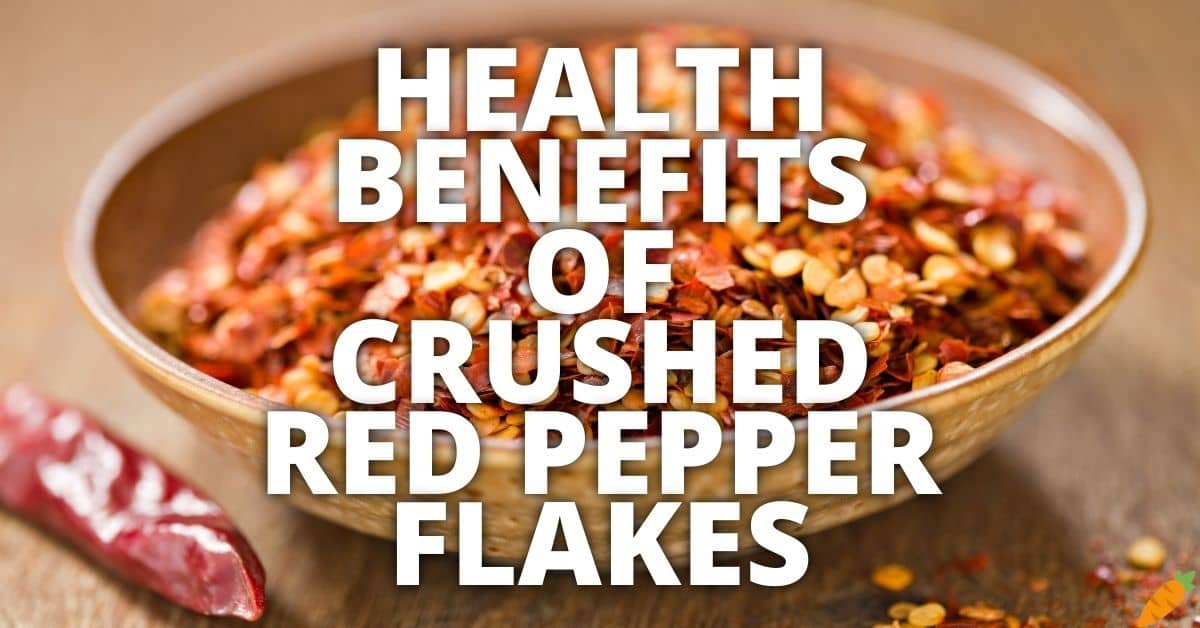
Crushed red pepper flakes are made from dried chili peppers, usually from varieties of Capsicum annuum. Depending on the blend, they may contain the skin, flesh, seeds, and other parts of the dried peppers.
Much of the interest in chili peppers centers on capsaicin, one of the compounds responsible for their characteristic heat. Capsaicin activates a receptor known as transient receptor potential vanilloid 1 (TRPV1), which is involved in sensing heat and pain. Researchers have studied capsaicin for its potential effects on metabolism, appetite, pain, cardiovascular health, inflammation, and other aspects of health.
However, there’s an important distinction to keep in mind.
Much of the research has examined chili peppers generally, concentrated capsaicin or capsaicinoids, supplements, or topical capsaicin products, not crushed red pepper flakes specifically. The amount of capsaicin you get from sprinkling red pepper flakes onto your food may also be considerably lower than the doses used in some studies.
So, while crushed red pepper flakes can certainly be part of a healthy diet, some of their proposed benefits are better supported than others.
Key Takeaways
- Crushed red pepper flakes contain capsaicin and other plant compounds with potentially beneficial biological effects.
- Capsaicin may modestly influence energy expenditure, appetite, and weight management, but the effects appear relatively small.
- Capsaicin has pain-relieving applications when applied topically, but eating red pepper flakes shouldn’t be expected to provide the same effect.
- Chili peppers contain antioxidant compounds, although a typical serving of red pepper flakes is relatively small.
- Regular consumption of chili peppers and spicy foods has been associated with lower mortality in observational studies, but this doesn’t prove that chili peppers increase lifespan.
- Research into cardiovascular, digestive, and anti-inflammatory effects remains mixed or limited.
- There’s no established therapeutic dose of crushed red pepper flakes. They’re best viewed as a flavorful addition to a balanced diet rather than a treatment for a medical condition.
1. May Modestly Support Metabolism and Weight Management
One of capsaicin’s most frequently studied effects involves metabolism.
Capsaicin can activate TRPV1 receptors and influence thermogenesis, the process through which your body generates heat. This may temporarily increase energy expenditure and fat oxidation.
Capsaicin may also influence appetite and feelings of fullness, potentially helping some people consume fewer calories.
However, the magnitude of these effects appears to be modest.
A systematic review and meta-analysis of randomized controlled trials found that capsaicin intake was associated with small reductions in body weight, body mass index (BMI), and waist circumference in people with overweight or obesity.
That doesn’t mean adding crushed red pepper flakes to your meals will cause significant weight loss.
Instead, consider them a flavorful addition to an overall eating pattern that supports healthy weight management. Red pepper flakes add plenty of flavor and very few calories, which can also make nutritious foods more enjoyable.
📙 Potential Health Benefits of Cookies
2. Capsaicin Has Pain-Relieving Properties, But Mostly When Used Topically
Capsaicin has an interesting relationship with pain.
When it activates TRPV1 receptors on sensory nerves, capsaicin initially produces the familiar burning sensation associated with hot peppers. With repeated or sustained exposure, however, those nerves can become less responsive to certain pain signals.
This is why capsaicin is an ingredient in some topical creams and patches used for pain relief.
Research suggests that topical capsaicin may help relieve certain types of pain, including osteoarthritis pain and some forms of nerve pain. Topical products can also cause burning or irritation where they’re applied.
There’s an important distinction, though: this doesn’t mean eating crushed red pepper flakes will provide the same pain-relieving effect.
Most clinical evidence for pain relief involves standardized capsaicin products applied directly to the skin.
So, while capsaicin has recognized pain-relieving applications, crushed red pepper flakes shouldn’t be considered a dietary treatment for pain.
📙 Potential Health Benefits of Ceremonial Cacao
3. Provides Antioxidant Plant Compounds
Red chili peppers contain various biologically active compounds, including carotenoids, phenolic compounds, flavonoids, and capsaicinoids.
Many of these compounds have antioxidant activity.
Antioxidant systems help protect cells against oxidative damage caused by reactive molecules. Your body produces its own antioxidant defenses, while plant foods provide additional compounds that can contribute to those defenses.
Red peppers contain carotenoids and other pigments responsible for their vivid colors.
However, there’s an important practical consideration: most people eat only a small amount of crushed red pepper flakes at a time.
Red pepper flakes can therefore contribute plant compounds to your diet, but they shouldn’t be considered a major source of antioxidants compared with larger servings of fruits, vegetables, legumes, nuts, seeds, and other plant foods.
📙 Potential Health Benefits of Chocolate Ice Cream
4. May Influence Inflammatory Processes
Capsaicin has demonstrated anti-inflammatory activity in laboratory and animal research.
Its effects appear to involve several biological pathways associated with inflammation, including TRPV1 signaling and the regulation of certain inflammatory molecules.
This has generated interest in capsaicin’s possible role in conditions involving chronic inflammation.
However, laboratory findings don’t necessarily mean that eating crushed red pepper flakes will meaningfully reduce inflammation in humans.
The amount and form of capsaicin, a person’s underlying health, and other dietary and lifestyle factors can all influence the outcome.
For now, it’s reasonable to say that capsaicin has potentially interesting effects on inflammatory processes, but more high-quality human research is needed to determine whether ordinary dietary amounts provide meaningful anti-inflammatory benefits.
📙 Potential Health Benefits of Chocolate Cake
5. May Have Cardiovascular Effects
Capsaicin has also attracted attention for its possible effects on cardiovascular health.
Experimental research suggests that TRPV1 activation may influence blood-vessel function and other processes related to cardiovascular health.
However, human clinical evidence remains uncertain.
A meta-analysis of randomized controlled trials examining red pepper and capsaicin supplementation found small apparent reductions in total cholesterol and diastolic blood pressure. However, these results weren’t robust when individual studies were removed from the analysis. The researchers found no significant overall effects on LDL cholesterol, HDL cholesterol, triglycerides, systolic blood pressure, or several measures of blood sugar regulation.
The evidence therefore doesn’t establish that crushed red pepper flakes meaningfully lower cholesterol or blood pressure.
Nevertheless, red pepper flakes can fit comfortably into a heart-healthy eating pattern, particularly when they’re used to add flavor to vegetables, beans, whole grains, lean proteins, and other nutrient-dense foods.
They shouldn’t be considered a substitute for established approaches to cardiovascular health or prescribed treatments for high blood pressure, high cholesterol, or cardiovascular disease.
📙 Potential Health Benefits of Tempeh
6. May Temporarily Help With Nasal Congestion
If you’ve ever eaten a particularly spicy meal and suddenly found your nose running, you’ve experienced another effect associated with capsaicin.
Capsaicin stimulates sensory nerves in the nose and mouth and can increase nasal secretions. For some people, this may temporarily make mucus easier to clear or create a sensation of more open nasal passages.
That doesn’t mean crushed red pepper flakes treat the underlying cause of a cold, allergy, sinus infection, or other respiratory condition.
Instead, spicy foods may provide temporary symptom relief for some people.
For others, the irritation produced by spicy foods may be uncomfortable. Individual tolerance matters.
📙 Potential Health Benefits of Dulce de Leche
7. Chili Pepper Consumption Has Been Associated With Lower Mortality
Perhaps one of the most intriguing areas of chili pepper research involves longevity.
Several large observational studies have found that people who regularly consume chili peppers or spicy foods have lower rates of death from all causes compared with people who rarely or never consume them.
One meta-analysis involving more than half a million adults found that regular spicy-food consumers had about a 12% lower relative risk of all-cause mortality compared with people who didn’t regularly consume spicy foods.
That’s certainly interesting, but there’s an important limitation: association doesn’t prove causation.
People who regularly eat chili peppers may differ from people who don’t in many ways. Their overall diets, physical activity, cultural eating patterns, socioeconomic circumstances, and other lifestyle factors could partly influence the association.
Researchers also haven’t established an ideal amount or frequency of chili pepper consumption for longevity.
It’s therefore more accurate to say that regular chili consumption has been associated with lower mortality rather than saying that chili peppers make people live longer.
📙 Potential Health Benefits of Caramel
What About Digestive Health?
You may have heard conflicting claims about spicy foods and the digestive system.
Some people assume chili peppers are inherently bad for the stomach, while others claim capsaicin improves digestion. The reality is more complicated.
Capsaicin interacts with receptors throughout the gastrointestinal tract and may influence digestive function and gastrointestinal signaling. Individual responses to spicy foods, however, vary considerably.
Some people can eat spicy foods regularly without problems. Others experience heartburn, abdominal discomfort, or diarrhea after eating them.
Spicy foods also aren’t generally considered a primary cause of peptic ulcers. Two major causes of peptic ulcers are Helicobacter pylori infection and regular use of certain medications, particularly nonsteroidal anti-inflammatory drugs (NSAIDs).
The practical approach is simple: pay attention to how your body responds.
If crushed red pepper flakes consistently trigger heartburn or other digestive symptoms, reducing the amount or avoiding them may help.
📙 Probable Wellness Benefits of Different Foods
How Much Crushed Red Pepper Should You Eat?
There’s currently no scientifically established amount of crushed red pepper flakes that you need to eat to obtain health benefits.
Research uses different types of chili peppers, capsaicin concentrations, extracts, supplements, and consumption patterns. There’s also considerable variation in the amount of capsaicin found in different peppers and commercial red pepper blends.
For people who tolerate spicy foods well, the simplest approach is to use crushed red pepper flakes as a seasoning rather than a supplement.
Use enough to provide the flavor and level of heat you enjoy. There’s no need to force yourself to eat increasingly spicy food in an attempt to obtain more capsaicin.
More isn’t necessarily better.
Possible Side Effects of Crushed Red Pepper Flakes
Crushed red pepper flakes are commonly consumed as food, but capsaicin’s ability to produce heat and irritation means they’re not comfortable for everyone.
Eating large amounts may cause intense burning in the mouth, heartburn, abdominal discomfort, or diarrhea in susceptible people.
You should also be careful when handling hot pepper products. Capsaicin can cause significant irritation if transferred from your hands to your eyes or other sensitive areas.
If spicy foods consistently worsen a digestive condition or other symptoms, consider reducing your intake and discussing persistent symptoms with a qualified healthcare professional.
📚 More about Crushed Red Pepper Flakes
The Bottom Line
Crushed red pepper flakes aren’t a miracle food, but they can certainly be part of a healthy diet.
Their best-known active compound, capsaicin, has been extensively studied and has several interesting biological effects. Research suggests that capsaicin may have modest effects on metabolism and weight management, while topical capsaicin has pain-relieving applications for certain conditions.
Chili peppers also contain antioxidant plant compounds, and regular chili consumption has been associated with lower all-cause mortality in observational research. Other proposed effects, including cardiovascular and anti-inflammatory benefits, remain less certain.
It’s important to remember that many studies examine capsaicin extracts, supplements, topical products, or chili peppers generally, not the small amount of crushed red pepper flakes you might sprinkle onto a meal.
So enjoy crushed red pepper flakes primarily for what they do particularly well: adding heat and flavor to food without adding many calories.
Any additional health benefits are better viewed as a potential bonus rather than a reason to treat red pepper flakes as medicine.
Frequently Asked Questions
1. Are crushed red pepper flakes healthy?
They can be part of a healthy diet. Red pepper flakes contain capsaicin and various plant compounds with antioxidant and other biological properties. However, because they’re generally consumed in small quantities, they shouldn’t be considered a major source of nutrients.
2. Are crushed red pepper flakes good for weight loss?
Capsaicin may modestly influence energy expenditure, fat oxidation, and appetite, and clinical research has found small effects on body weight and waist circumference. However, crushed red pepper flakes aren’t a weight-loss treatment. Overall calorie intake, diet quality, physical activity, sleep, and other lifestyle factors are much more important.
3. Do red pepper flakes boost metabolism?
Capsaicin may temporarily increase thermogenesis and energy expenditure. The effect appears relatively small, however, so adding red pepper flakes to food isn’t likely to dramatically increase your metabolic rate.
4. Can crushed red pepper flakes reduce inflammation?
Capsaicin has demonstrated anti-inflammatory activity in experimental research, but evidence that ordinary amounts of crushed red pepper flakes meaningfully reduce systemic inflammation in humans is limited. More research is needed.
5. Can eating crushed red pepper flakes relieve arthritis pain?
Eating red pepper flakes shouldn’t be expected to relieve arthritis pain. Evidence for capsaicin as a pain reliever primarily involves topical capsaicin products applied to the skin rather than capsaicin consumed as food.
6. Are crushed red pepper flakes good for your heart?
Capsaicin and chili peppers are being studied for possible cardiovascular effects, but current clinical evidence doesn’t establish that crushed red pepper flakes meaningfully lower blood pressure or cholesterol. They can still be used as part of an overall heart-healthy eating pattern.
7. Can crushed red pepper flakes upset your stomach?
Yes. Some people tolerate spicy foods very well, while others experience heartburn, abdominal discomfort, or diarrhea. If red pepper flakes consistently trigger symptoms, reducing the amount or avoiding them may help.
8. Do crushed red pepper flakes cause ulcers?
Spicy foods aren’t generally considered a primary cause of peptic ulcers. Common causes include H. pylori infection and regular use of certain medications, particularly NSAIDs. However, spicy foods may aggravate gastrointestinal symptoms in some people.
9. Is it safe to eat crushed red pepper flakes every day?
For most people who tolerate spicy foods, using red pepper flakes regularly as a seasoning can be part of a normal diet. There’s no established daily amount required for health benefits, so consuming large quantities isn’t necessary.
10. Are crushed red pepper flakes the same as cayenne pepper?
Not exactly. Crushed red pepper generally consists of coarsely crushed dried chili peppers and often includes seeds, while cayenne pepper is typically a finely ground powder made from cayenne or similar hot peppers. Their heat and capsaicin content can also vary.
Content Disclaimer
This article is provided for informational and educational purposes only and isn’t intended to replace professional medical advice, diagnosis, or treatment.
Research on chili peppers and capsaicin varies considerably in the type of pepper or capsaicin preparation studied, the amount consumed, the study population, and the duration of treatment or follow-up. Findings from studies involving concentrated capsaicin supplements, extracts, or topical products shouldn’t automatically be assumed to apply to ordinary culinary amounts of crushed red pepper flakes.
If you have a medical condition, take medications, experience persistent digestive symptoms, or are considering using capsaicin for a specific health purpose, consult a qualified healthcare professional for guidance appropriate to your circumstances.