

It’s a great day to learn more about the potential health benefits of chili garlic oil.
Chili garlic oil can turn a simple meal into something much more flavorful. With the heat of chili peppers, the aroma of garlic, and the richness of oil, it’s easy to see why this condiment is popular in many kitchens.
But aside from making food taste better, is chili garlic oil actually good for you?
There are reasons it can be a healthy addition to your diet. Garlic and chili peppers contain bioactive compounds, including organosulfur compounds in garlic and capsaicin in chili peppers, that have been studied for their potential effects on inflammation, cardiovascular health, metabolism, and other aspects of health.
There is an important distinction, however.
Most of the research discussed here has studied garlic, garlic extracts or supplements, chili peppers, capsaicin, or capsaicinoids, not chili garlic oil itself. The amounts and concentrations used in studies may also differ substantially from what you would get from a typical serving of chili garlic oil.
Rather than thinking of chili garlic oil as a health supplement, it makes more sense to consider it a flavorful condiment that can provide some beneficial plant compounds as part of an overall healthy diet.
Key Takeaways
- Chili garlic oil contains compounds from garlic and chili peppers with antioxidant and anti-inflammatory properties.
- Garlic preparations have been studied for potential benefits involving blood pressure, cholesterol, and blood sugar.
- Capsaicin in chili peppers may have modest effects on appetite, energy expenditure, and weight management.
- Most research has studied garlic, garlic preparations, chili peppers, or capsaicin rather than chili garlic oil itself.
- Chili garlic oil is calorie-dense, so portion size matters, particularly if you are trying to lose or maintain weight.
- Spicy foods may worsen heartburn or digestive symptoms in some people.
- Homemade garlic-in-oil preparations require proper preparation and storage because improperly stored garlic in oil can pose a serious food-safety risk.
- Chili garlic oil can complement a healthy diet, but it should not be treated as medicine or used as a substitute for medical care.
What Is Chili Garlic Oil?
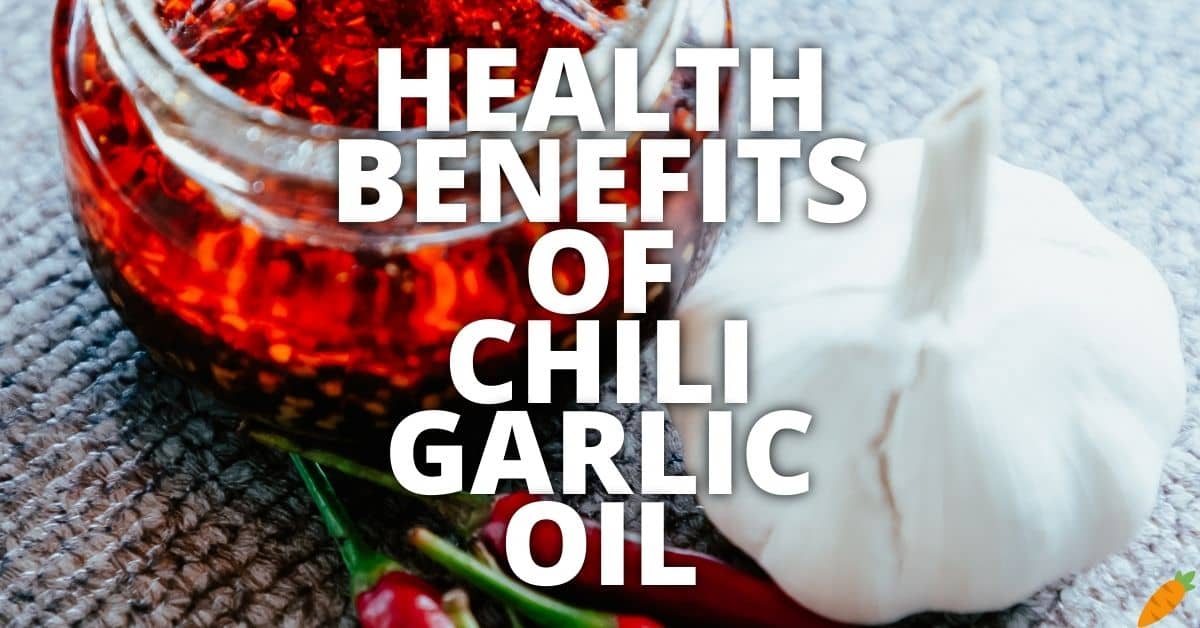
Chili garlic oil is a condiment generally made by combining oil with chili peppers and garlic. Depending on the recipe, it may also contain ingredients such as sesame seeds, shallots, ginger, spices, salt, sugar, or soy sauce.
Its nutritional profile can therefore vary considerably from one recipe or product to another.
Chili peppers provide capsaicin, the compound responsible for much of their heat. Garlic contains several sulfur-containing compounds that have attracted scientific interest for their potential biological effects.
The type of oil matters as well. Chili garlic oil may be made with sesame, soybean, canola, peanut, or other cooking oils.
Keep in mind that chili garlic oil is still predominantly oil. Because fat provides about 9 calories per gram, even relatively small servings can add a meaningful number of calories to a meal.
With that in mind, let’s look at what research suggests about its main ingredients.
📙 Potential Health Benefits of Chestnut Mushrooms
1. May Have Anti-Inflammatory Effects
Both garlic and chili peppers contain compounds that have been investigated for their effects on inflammation.
Chili peppers contain capsaicin, which interacts with receptors involved in several biological processes, including pain and inflammatory signaling.
Garlic contains numerous sulfur-containing compounds. When fresh garlic is crushed or chopped, an enzyme converts alliin into allicin. Garlic preparations can contain different amounts and types of organosulfur compounds depending on how they are processed.
Research suggests that compounds in both garlic and chili peppers may influence inflammatory processes.
However, this does not mean that eating chili garlic oil has been proven to treat arthritis, inflammatory bowel disease, or other inflammatory conditions.
It is better to think of chili garlic oil as one possible component of an overall healthy eating pattern rather than as a treatment for inflammation.
📙 Potential Health Benefits of Crushed Red Pepper Flakes
2. Provides Antioxidant Compounds
Garlic and chili peppers contain several compounds with antioxidant properties.
Antioxidants help protect cells against oxidative damage caused by reactive molecules, including free radicals. The body has its own antioxidant defense systems, while foods containing antioxidant compounds can contribute to overall dietary antioxidant intake.
Garlic’s organosulfur compounds have been studied for antioxidant effects. Chili peppers also provide antioxidant compounds, including carotenoids and various phenolic compounds.
Including a variety of plant foods in your diet is a practical way to obtain these and many other beneficial compounds.
However, the presence of antioxidants does not mean chili garlic oil has been proven to prevent cancer, Alzheimer’s disease, aging, or other conditions associated with oxidative stress. These outcomes are complex, and antioxidant activity alone does not demonstrate disease prevention in humans.
📙 Potential Health Benefits of Cookies
3. May Support Normal Immune Function
Garlic has a long history of culinary and traditional medicinal use, and researchers have investigated how its compounds may interact with immune processes.
Some garlic compounds appear to affect immune-cell activity and inflammatory signaling. Certain compounds derived from garlic have also demonstrated antimicrobial activity in laboratory studies.
However, evidence about garlic and immune function does not establish that ordinary servings of chili garlic oil will strengthen the immune system or prevent infections.
Immune health depends on many factors, including overall nutrition, adequate sleep, physical activity, stress management, vaccination when appropriate, and underlying health.
Chili garlic oil can contribute flavor and plant compounds to your diet, but it should not be relied upon for preventing illness.
📙 Potential Health Benefits of Ceremonial Cacao
4. May Affect Digestion
Spicy foods can affect the digestive system differently from one person to another.
Capsaicin interacts with receptors throughout the gastrointestinal tract and can influence digestive sensations and gastrointestinal function.
Some people tolerate spicy foods very well and can enjoy chili-containing foods without digestive problems. Others may experience heartburn, abdominal discomfort, or diarrhea after eating particularly spicy meals.
Garlic can also cause digestive symptoms in some people. It contains fructans, a type of fermentable carbohydrate that may cause gas, bloating, and abdominal discomfort, particularly in people who are sensitive to FODMAPs.
For this reason, it is more accurate to say that chili garlic oil may affect digestion rather than claiming that it improves digestion.
Your individual tolerance matters. If chili garlic oil consistently causes uncomfortable digestive symptoms, reducing the amount or avoiding it may be appropriate.
📙 Potential Health Benefits of Chocolate Ice Cream
5. May Modestly Support Weight Management
Capsaicin is one of the more extensively studied compounds in chili peppers when it comes to weight management.
Research suggests that capsaicin and related compounds may slightly increase energy expenditure, influence fat oxidation, and affect appetite or food intake.
However, these effects appear to be relatively small. Capsaicin should not be viewed as a shortcut to weight loss.
There is also an important consideration specific to chili garlic oil: oil is calorie-dense.
If you are trying to lose weight, using large quantities of chili garlic oil can add substantial calories to your meals. Those additional calories could easily outweigh any small metabolic effect associated with capsaicin.
That doesn’t mean you need to avoid chili garlic oil. A small amount can provide plenty of flavor and may make nutritious foods such as vegetables, tofu, beans, whole grains, fish, and lean meats more enjoyable.
For weight management, your overall calorie intake, dietary pattern, physical activity, sleep, and other lifestyle factors matter much more than the capsaicin in a condiment.
📙 Potential Health Benefits of Chocolate Cake
6. May Support Cardiovascular Health
Cardiovascular health is one of the more extensively researched areas involving garlic.
Clinical trials and systematic reviews have investigated different garlic preparations for their effects on cardiovascular risk factors such as blood pressure and blood lipids.
Some research suggests that certain garlic preparations may modestly reduce blood pressure and improve some cholesterol measurements in particular populations.
However, results vary according to the garlic preparation, dose, duration of treatment, and population studied.
There are also two important limitations when applying this research to chili garlic oil.
First, many clinical studies use standardized garlic supplements or extracts rather than the small amount of garlic typically found in a serving of chili garlic oil.
Second, the overall nutritional value of chili garlic oil depends on more than its garlic content. The type of oil, serving size, sodium, added sugar, and other ingredients also matter.
Garlic may contribute beneficial compounds to your diet, but chili garlic oil should not be considered a treatment for high blood pressure, high cholesterol, or cardiovascular disease.
📙 Potential Health Benefits of Tempeh
7. Capsaicin Interacts With Pain Pathways
You may have heard that chili peppers can relieve pain. There is some science behind this claim, but the way capsaicin is used matters.
Capsaicin activates a receptor called TRPV1, which plays a role in sensing heat and pain. Repeated exposure to capsaicin can alter the responsiveness of pain-sensing nerve fibers.
This mechanism is one reason capsaicin is used in certain topical creams and patches designed for particular types of pain.
However, evidence supporting topical capsaicin does not mean eating chili garlic oil will relieve arthritis, muscle pain, or other painful conditions.
Eating capsaicin and applying a standardized capsaicin product to the skin are very different forms of exposure.
While capsaicin has genuine effects on pain pathways, chili garlic oil should not be considered a pain treatment.
📙 Likely Wellness Benefits of Different Foods
8. Garlic Contains Compounds With Antimicrobial Activity
When fresh garlic is crushed or chopped, chemical reactions produce allicin.
Allicin and other garlic-derived compounds have demonstrated activity against certain microorganisms in laboratory experiments, including some bacteria and fungi. Researchers have also investigated potential antiviral activity.
These findings are scientifically interesting, but laboratory antimicrobial activity does not necessarily mean that eating garlic or chili garlic oil will protect you from infections.
The concentration that affects microorganisms in a laboratory may also be very different from what is present in food or reaches tissues after digestion.
Chili garlic oil should therefore not be used to prevent or treat infections. Appropriate hygiene, food safety, vaccination when recommended, and evidence-based medical care remain much more important.
9. May Have Modest Effects on Blood Sugar
Garlic has also been studied for its potential effects on glucose metabolism.
Recent systematic reviews of randomized controlled trials suggest that garlic supplementation may modestly improve fasting blood glucose and some other measures of glycemic control in certain populations.
However, much of this research involves garlic supplements or specific preparations rather than garlic consumed as part of chili garlic oil.
The amount of garlic in a typical serving of chili garlic oil may be much lower than the doses used in clinical research.
If you have diabetes or prediabetes, chili garlic oil should not replace an appropriate eating plan, physical activity, blood glucose monitoring, or medication recommended by your healthcare professional.
It can simply be one condiment within an overall diet that supports your health goals.
So, Is Chili Garlic Oil Healthy?
It certainly can be part of a healthy diet.
Garlic and chili peppers provide a variety of plant compounds, some of which have demonstrated potentially beneficial effects in scientific research.
But context matters.
A teaspoon or two used to flavor vegetables, noodles, soups, tofu, beans, fish, or other nutritious foods is very different from regularly consuming large quantities of oil.
The recipe matters too.
A chili garlic oil made primarily with an unsaturated cooking oil, garlic, chili peppers, herbs, and spices can have a very different nutritional profile from a commercial chili crisp containing substantial amounts of sodium, sugar, or other ingredients.
It is also important not to view chili garlic oil as a “superfood” that can compensate for an otherwise unbalanced diet.
Your overall eating pattern matters far more than any single condiment.
Potential Downsides of Chili Garlic Oil
For many people, moderate amounts of chili garlic oil can fit comfortably into a balanced diet. There are still several things worth considering.
Calories: Oil is energy-dense. If you are managing your weight, it can be easy to underestimate the calories contributed by oils, dressings, and sauces.
Sodium: Some commercial chili garlic oils and chili crisps contain significant amounts of salt. Check the nutrition label if you need to monitor your sodium intake.
Added sugar: Some products contain added sugar. The amount varies, so checking the ingredient list and nutrition label can help you compare products.
Digestive discomfort: Chili peppers may trigger heartburn or gastrointestinal discomfort in some people. Garlic can also cause gas and bloating, particularly in people who are sensitive to fructans.
Medication considerations: Garlic supplements, particularly at concentrated doses, may interact with certain medications and may increase bleeding risk. Dietary amounts are different from concentrated supplements, but anyone taking medications or preparing for surgery should discuss supplements and significant dietary changes with a healthcare professional.
Individual tolerance: More is not necessarily better. If spicy foods consistently cause reflux, abdominal pain, diarrhea, or other symptoms, reducing your intake may be appropriate.
Food Safety and Homemade Garlic Oil
If you make chili garlic oil at home, proper preparation and storage are important.
Fresh garlic is a low-acid food. When submerged in oil, it is placed in a low-oxygen environment that can support the growth of Clostridium botulinum under certain conditions. This bacterium can produce the toxin responsible for botulism, a rare but potentially life-threatening illness.
For that reason, fresh garlic submerged in oil should not simply be prepared and stored at room temperature for extended periods.
If you make garlic-infused or chili garlic oil at home, follow a tested recipe and current preparation, refrigeration, and storage recommendations from a reputable food-safety authority.
Do not rely on smell, appearance, or taste to determine whether improperly stored garlic oil is safe. Botulinum toxin cannot reliably be detected this way.
Commercially manufactured chili garlic oils may use acidification, controlled processing, preservatives, or other methods to make their products safe for storage. Always follow the storage instructions on the package, particularly after opening.
How to Use Chili Garlic Oil in a Healthy Diet
The simplest approach is to use chili garlic oil primarily as a flavor enhancer rather than consuming it specifically for health benefits.
Because it has a strong flavor, a relatively small amount may be enough to make nutritious foods more enjoyable.
Try using it with vegetables, beans, tofu, eggs, whole grains, soups, fish, chicken, or other nutrient-rich foods.
When buying a commercial product, check the ingredient list and nutrition label. Consider the type of oil used, serving size, sodium, and added sugar when comparing products.
Moderation is especially useful because chili garlic oil provides plenty of flavor without requiring a large serving.
Conclusion
Chili garlic oil isn’t a miracle food, but it doesn’t need to be one to have a place in a healthy diet.
Garlic and chili peppers contain several interesting bioactive compounds. Research suggests that certain garlic preparations may modestly benefit cardiovascular and metabolic markers, while capsaicin may have small effects on energy expenditure, appetite, and weight management.
What the research does not establish is that every benefit observed with garlic supplements, extracts, or concentrated capsaicin also occurs from eating a typical serving of chili garlic oil.
The most practical way to look at chili garlic oil is as a flavorful condiment that contains some potentially beneficial ingredients, rather than as a supplement or treatment.
Used in moderation, it can be an enjoyable way to add flavor to nutritious foods. And if a small amount of chili garlic oil makes vegetables, beans, whole grains, or other healthy foods more appealing, that can be a useful role in a balanced diet.
Frequently Asked Questions
Is chili garlic oil good for you?
It can be part of a healthy diet. Garlic and chili peppers contain potentially beneficial compounds, including organosulfur compounds and capsaicin. However, chili garlic oil is also calorie-dense, and some commercial products may contain substantial amounts of sodium or added sugar.
Can chili garlic oil help you lose weight?
Capsaicin may have small effects on energy expenditure, fat oxidation, appetite, and body weight. However, the effects observed in clinical research are generally modest. Because chili garlic oil itself is calorie-dense, portion size is particularly important if weight loss is your goal.
Does chili garlic oil reduce inflammation?
Garlic and capsaicin contain compounds that have demonstrated anti-inflammatory effects in experimental research, and some garlic preparations have been studied in humans. However, there is not enough evidence to say that ordinary servings of chili garlic oil meaningfully reduce inflammation or treat inflammatory diseases.
Is chili garlic oil good for your heart?
Some garlic preparations have been associated with modest improvements in cardiovascular risk factors such as blood pressure and certain cholesterol measurements. However, much of the research involves supplements or extracts rather than chili garlic oil. Your overall diet, physical activity, smoking status, sleep, and appropriate medical care have much greater importance for cardiovascular health.
Is chili garlic oil good for people with diabetes?
Garlic supplementation has shown modest improvements in some measures of blood sugar control in clinical research. This does not establish chili garlic oil as a treatment for diabetes. If you have diabetes, consider it a condiment within your overall eating plan rather than a way to control blood glucose.
Is it okay to eat chili garlic oil every day?
For many people, a modest amount can fit into a balanced diet if it does not cause digestive problems. The appropriate amount depends on your overall calorie intake, sodium intake, dietary needs, and the ingredients in the particular product.
Can chili garlic oil upset your stomach?
Yes. Chili peppers may cause burning, reflux, abdominal discomfort, or diarrhea in some people. Garlic can also cause gas and bloating, particularly in people who are sensitive to fructans.
Is homemade chili garlic oil safe?
It can be when prepared and stored correctly. However, improperly prepared or stored fresh garlic in oil can create conditions that allow Clostridium botulinum to grow and produce toxin. Follow tested preparation and storage recommendations from a reputable food-safety authority rather than relying on smell, taste, or appearance.
Content Disclaimer
This article is for general informational and educational purposes only. It is not intended to provide medical advice, diagnosis, or treatment.
Much of the research discussed in this article involves garlic, garlic extracts or supplements, chili peppers, capsaicin, or other preparations rather than chili garlic oil itself. Findings from those studies therefore may not apply directly to typical dietary servings of chili garlic oil.
Individual nutritional and medical needs vary. If you have a medical condition, take medications, are pregnant or breastfeeding, are preparing for surgery, or have concerns about how chili garlic oil may affect your health, consult a qualified healthcare professional for personalized guidance.
Do not use chili garlic oil, garlic, chili peppers, or dietary supplements as a substitute for prescribed medication or appropriate medical care.