Chestnut mushrooms are flavorful, versatile, and nutritious. But what can they actually do for your health?
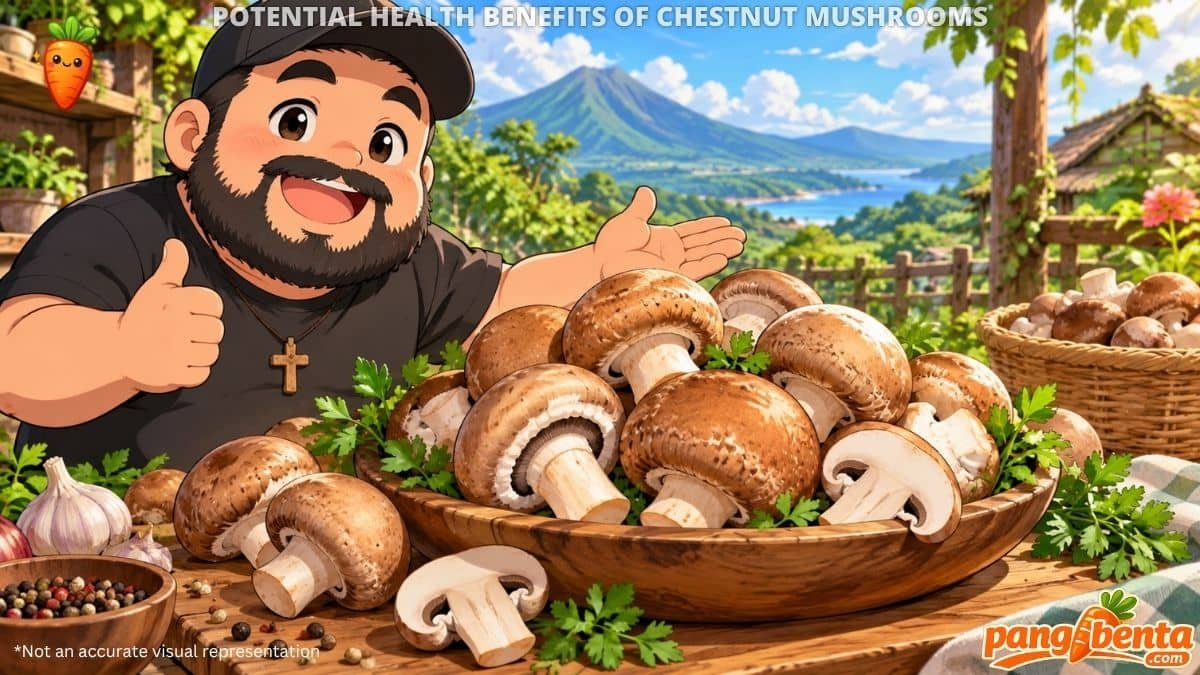
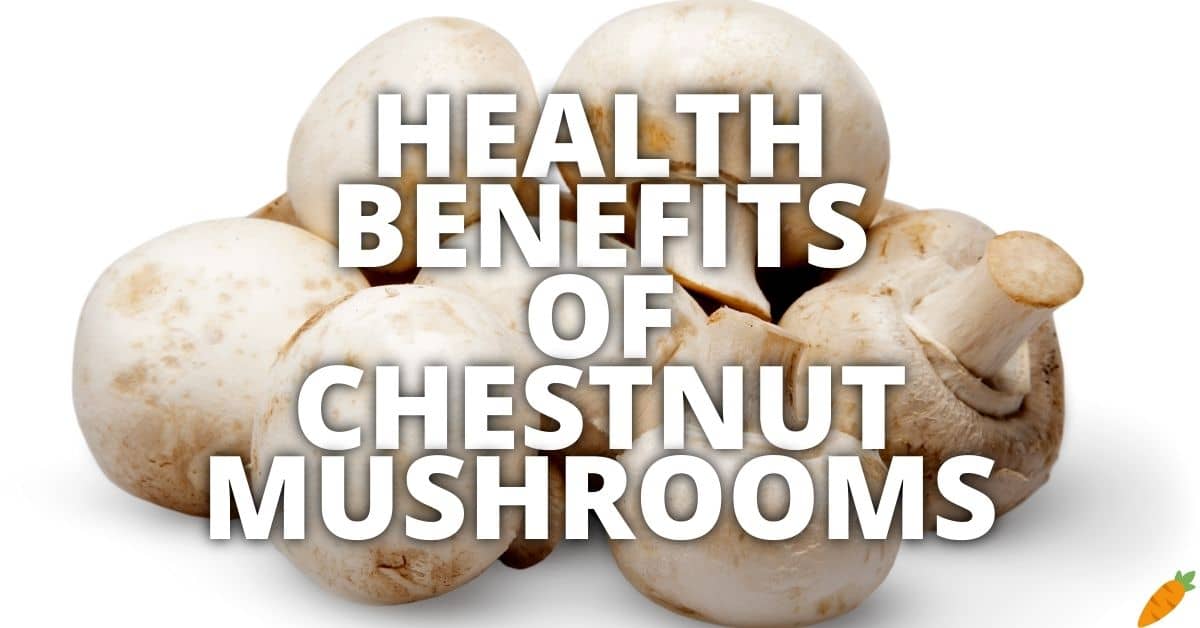
Chestnut mushrooms are a brown variety of Agaricus bisporus, the same species that includes white button, cremini, and portobello mushrooms. Compared with white button mushrooms, they generally have a firmer texture and a deeper, earthier flavor.
You can add them to soups, stir-fries, pasta dishes, omelets, salads, and many other meals. They’re naturally low in calories and provide several vitamins, minerals, and bioactive compounds.
However, that doesn’t mean chestnut mushrooms are a miracle food. Some proposed health benefits of mushrooms are supported mainly by laboratory, animal, or limited human research.
So, let’s take a closer look at what we know about the potential health benefits of chestnut mushrooms, and where the evidence is still developing.
Key Takeaways
- Chestnut mushrooms are a brown variety of Agaricus bisporus.
- They’re naturally low in calories and fat while providing B vitamins and minerals such as copper, selenium, and potassium.
- Mushrooms contain bioactive compounds, including beta-glucans, ergothioneine, and ergosterol.
- UV-exposed mushrooms can provide significant amounts of vitamin D2, although the amount can vary considerably.
- Chestnut mushrooms contain some protein and fiber, but they shouldn’t be considered a high-protein or high-fiber food.
- Research into mushrooms and immune function, metabolic health, and other areas is promising, but human evidence remains limited for many proposed benefits.
- Chestnut mushrooms are best viewed as one nutritious component of a varied, balanced diet rather than a food that can prevent or treat disease.
1. Low in Calories and Nutrient-Dense
One of the simplest benefits of chestnut mushrooms is also one of the most useful: they provide a range of nutrients without adding many calories to your meals.
They’re also naturally low in fat.
At the same time, chestnut mushrooms provide B vitamins and minerals such as copper, selenium, and potassium, along with smaller amounts of other nutrients.
This combination makes them particularly useful if you’re trying to make your meals more substantial and flavorful without dramatically increasing their calorie content.
You can use them to add volume and a savory, umami flavor to dishes such as soups, omelets, pasta, rice, and stir-fries.
They shouldn’t replace nutrient-dense protein foods entirely, but they can certainly help make a balanced meal more satisfying.
📙 Potential Health Benefits of Crushed Red Pepper Flakes
2. Provide Important B Vitamins
Chestnut mushrooms provide several B vitamins, particularly riboflavin (vitamin B2), niacin (vitamin B3), and pantothenic acid (vitamin B5).
These vitamins perform many important functions in your body.
Riboflavin helps your body release energy from food and contributes to normal cellular function.
Niacin is involved in numerous biochemical reactions and plays an important role in energy metabolism.
Pantothenic acid is also necessary for energy metabolism and is involved in the synthesis of fatty acids and other important compounds.
Getting these nutrients from a variety of foods is important because B vitamins support numerous processes throughout the body.
Chestnut mushrooms can be one of those food sources.
📙 Potential Health Benefits of Cookies
3. Provide Essential Minerals
Chestnut mushrooms contain several important minerals, including copper, selenium, and potassium.
Copper is involved in energy production, iron metabolism, connective tissue formation, and normal nervous system function.
Selenium is an essential component of antioxidant enzymes and also contributes to normal thyroid and immune function.
Potassium, meanwhile, is an electrolyte that helps with muscle contraction, nerve transmission, and fluid balance. Adequate potassium intake, as part of an overall healthy diet, also plays an important role in maintaining healthy blood pressure.
No single serving of mushrooms will provide everything you need, of course.
But adding mushrooms to a varied diet containing fruits, vegetables, whole grains, legumes, nuts, seeds, and other nutritious foods can contribute to your overall mineral intake.
📙 Potential Health Benefits of Ceremonial Cacao
4. Contain Fiber and Beta-Glucans
Chestnut mushrooms contain dietary fiber, although they’re not an especially high-fiber food compared with foods such as beans, lentils, whole grains, and many fruits.
What’s particularly interesting is the type of carbohydrates found in mushrooms.
The cell walls of mushrooms contain polysaccharides, including beta-glucans.
Beta-glucans are also found in foods such as oats and barley, although fungal beta-glucans differ structurally from those found in grains.
Researchers have become interested in mushroom beta-glucans because of their potential effects on immune and gut function.
Laboratory research suggests that certain fungal beta-glucans can interact with components of the immune system. However, that doesn’t necessarily mean that eating a serving of chestnut mushrooms will “boost” your immunity or prevent you from getting sick.
Human research into fungal beta-glucans continues, so it’s better to view them as interesting bioactive compounds rather than proven immune boosters.
📙 Potential Health Benefits of Chocolate Ice Cream
5. Contain Antioxidant Compounds
Chestnut mushrooms contain several substances associated with antioxidant activity, including selenium and a compound called ergothioneine.
Ergothioneine is particularly interesting because mushrooms are among its notable dietary sources.
It’s a naturally occurring sulfur-containing amino acid derivative that we obtain through our diet, and the human body has a specialized transporter that helps absorb and distribute it.
Research suggests that ergothioneine has antioxidant properties and may help protect cells against oxidative stress.
However, there’s an important distinction to make.
The fact that a compound has antioxidant properties doesn’t automatically mean that eating more of it will prevent cancer, heart disease, aging, or other health conditions.
Ergothioneine is an interesting area of nutritional research, but scientists are still investigating what its long-term effects on human health might be.
📙 Potential Health Benefits of Chocolate Cake
6. UV-Exposed Mushrooms Can Provide Vitamin D
Here’s one of the most interesting nutritional characteristics of mushrooms.
Mushrooms contain ergosterol, a compound that can be converted into vitamin D2 when exposed to ultraviolet (UV) light.
As a result, mushrooms exposed to sunlight or controlled UV light can contain substantially more vitamin D2 than mushrooms that haven’t received this exposure.
This distinction is important.
Regular chestnut mushrooms aren’t necessarily a significant source of vitamin D. Their vitamin D content can be low unless they’ve been exposed to sufficient UV light.
UV-treated mushrooms, however, can contain much higher amounts.
Research indicates that vitamin D2 from UV-treated mushrooms is bioavailable and can increase circulating vitamin D2 levels.
If you’re buying mushrooms specifically for their vitamin D content, check the nutrition label rather than assuming all chestnut mushrooms contain large amounts.
📙 Potential Health Benefits of Tempeh
7. May Help With Weight Management
Chestnut mushrooms aren’t a weight-loss food in the sense that eating them automatically causes you to lose weight.
They do, however, have several characteristics that can make them useful in a weight-conscious diet.
They’re low in calories, contain little fat, and have a savory flavor that can make meals more satisfying.
Mushrooms also have a high water content, which means they can add volume to meals without contributing many calories.
One practical approach is to use chopped mushrooms alongside more calorie-dense ingredients. For example, mushrooms can be combined with ground meat in burgers, meat sauces, meatballs, and similar dishes.
Depending on the recipe, this can increase the volume of the meal while reducing its overall calorie density.
Ultimately, weight management depends on your overall dietary pattern, energy intake, physical activity, sleep, and other factors. Chestnut mushrooms can simply be a useful food within that larger picture.
📙 Potential Health Benefits of Dulce de Leche
8. Provide Some Protein
You’ll sometimes see mushrooms described as being “high in protein,” but that can be misleading.
Chestnut mushrooms do contain protein, but the amount is relatively modest.
That’s considerably less than you’d get from foods such as eggs, fish, meat, dairy products, tofu, beans, or lentils.
So, while mushrooms can contribute a little protein to your daily intake, they shouldn’t be relied upon as your main protein source.
If you’re vegetarian or vegan, try pairing mushrooms with higher-protein plant foods such as tofu, lentils, chickpeas, beans, or other legumes.
You’ll get the savory flavor and nutrients of the mushrooms while also getting a more substantial amount of protein.
📙 Probable Health Benefits of Different Foods
9. Can Fit Into a Heart-Healthy Diet
Rather than saying that chestnut mushrooms directly prevent heart disease or lower cholesterol, it’s more accurate to look at how they fit into your overall diet.
They’re naturally low in calories and fat and provide potassium while being naturally low in sodium.
That’s a useful nutritional profile.
Mushrooms can also replace or stretch more calorie-dense ingredients in certain dishes.
For example, replacing part of the meat in a dish with mushrooms may reduce its calorie and saturated fat content, depending on the recipe and other ingredients.
Research has also explored whether Agaricus bisporus consumption may influence cholesterol, blood glucose, inflammation, and other markers related to metabolic and cardiovascular health.
Some findings are promising, but the available human evidence isn’t strong enough to conclude that eating chestnut mushrooms by itself lowers cholesterol or prevents cardiovascular disease.
For heart health, your overall dietary pattern matters much more than any single food.
10. Can Contribute to a Healthy Overall Diet
Perhaps the most realistic benefit of chestnut mushrooms isn’t tied to one particular vitamin or compound.
They’re simply an easy way to add another nutritious whole food to your diet.
Mushrooms provide nutrients and bioactive compounds while being low in calories. Their umami flavor can also make vegetables, whole grains, legumes, and other nutritious foods more appealing.
And that’s important because good nutrition isn’t about finding one “superfood.”
It’s about consistently eating a varied diet that provides the nutrients your body needs.
Chestnut mushrooms can certainly be part of that pattern.
📚 More about Chestnut Mushrooms
What Does the Research Actually Say?
This is where it’s important to separate nutritional facts from potential health effects.
We know that Agaricus bisporus contains nutrients and bioactive compounds such as beta-glucans, ergosterol, and ergothioneine. Mushrooms exposed to sufficient UV light can also provide vitamin D2.
Researchers have investigated Agaricus bisporus in relation to immune function, gastrointestinal health, metabolic health, vitamin D status, and other outcomes.
However, evidence isn’t equally strong in all of these areas.
Some proposed benefits come primarily from laboratory experiments or animal studies. Others have been investigated in human studies, but the available research may be limited in size, duration, or number of studies.
One of the better-established findings is that UV exposure can substantially increase the vitamin D2 content of mushrooms and that this vitamin D2 is bioavailable in humans.
For many of the other proposed health effects, larger and better-controlled human studies are still needed.
So, while chestnut mushrooms are nutritious, they shouldn’t be treated like medicine.
Safety and Precautions
For most people, commercially cultivated chestnut mushrooms can be safely enjoyed as part of a normal diet.
There are still a few things worth keeping in mind.
If you have a known mushroom allergy, avoid mushrooms that trigger your symptoms.
It’s also important to distinguish commercially cultivated chestnut mushrooms from wild mushrooms. Never eat a wild mushroom unless it has been reliably identified as edible by someone with appropriate expertise. Some poisonous mushrooms can resemble edible species.
If raw mushrooms cause digestive discomfort, cooking them may make them easier for you to tolerate.
And if you’re following a medically prescribed diet or have been advised to restrict certain foods or nutrients, follow the recommendations of your healthcare professional.
Conclusion
Chestnut mushrooms may not be a miracle food, but they don’t need to be.
They’re naturally low in calories and fat and provide B vitamins, copper, selenium, potassium, and modest amounts of protein and fiber. They also contain interesting bioactive compounds such as beta-glucans, ergothioneine, and ergosterol.
UV-exposed chestnut mushrooms have an additional nutritional advantage: they can provide meaningful amounts of vitamin D2.
Research into some of the broader health effects of Agaricus bisporus is promising, but we still need stronger human evidence before claiming that these mushrooms boost immunity, lower cholesterol, prevent disease, or slow aging.
The best reason to eat chestnut mushrooms is much simpler.
They’re nutritious, versatile, flavorful, and easy to incorporate into a balanced diet.
And sometimes, that’s more than enough reason to put a food on your plate.
Frequently Asked Questions
1. Are chestnut mushrooms good for you?
Yes. Chestnut mushrooms are a nutritious, low-calorie food that provides several B vitamins, minerals, and bioactive compounds.
Their nutritional profile makes them a useful addition to a balanced diet, although they shouldn’t be expected to prevent or treat specific diseases.
2. Are chestnut mushrooms the same as cremini mushrooms?
The terminology varies depending on where you live.
Mushrooms sold as chestnut, brown, cremini, or baby bella mushrooms commonly refer to brown forms of Agaricus bisporus. White button mushrooms and mature portobello mushrooms also belong to the same species.
However, common names can vary between countries and retailers, so the scientific name is more reliable when precise identification matters.
3. Are chestnut mushrooms high in protein?
No. They contain some protein, but they shouldn’t be considered a high-protein food.
If protein is your priority, pair mushrooms with foods such as eggs, fish, meat, dairy products, tofu, beans, lentils, or other legumes.
4. Are chestnut mushrooms high in fiber?
Chestnut mushrooms contain dietary fiber and fungal polysaccharides such as beta-glucans, but they’re not particularly high in total fiber compared with beans, lentils, whole grains, and many fruits.
They’re better viewed as one of many foods that can contribute to your overall fiber intake.
5. Do chestnut mushrooms contain vitamin D?
They can, but the amount varies considerably.
Mushrooms produce vitamin D2 when their ergosterol is exposed to ultraviolet light. UV-treated mushrooms can therefore contain substantially more vitamin D than mushrooms grown and stored with little UV exposure.
If vitamin D is one of your reasons for buying mushrooms, check the nutrition label.
6. Can chestnut mushrooms boost the immune system?
Mushrooms contain beta-glucans and other compounds being studied for their effects on immune function.
However, saying that eating chestnut mushrooms will “boost” your immune system or prevent infections goes beyond the available evidence.
It’s more accurate to say that mushrooms provide nutrients and bioactive compounds while research continues into their potential effects on immune function.
7. Are chestnut mushrooms good for weight loss?
They can fit well into a weight-loss diet because they’re low in calories and can add volume and flavor to meals.
However, no individual food causes weight loss. Your overall energy intake, dietary pattern, physical activity, sleep, and other lifestyle factors play much larger roles.
8. Is It Better to Eat Chestnut Mushrooms Raw or Cooked?
Chestnut mushrooms can be eaten raw or cooked, although cooking is often preferred.
Cooking softens their texture, develops their flavor, and may make them easier for some people to digest. Cooking can also change the levels or availability of certain nutrients and bioactive compounds.
There’s no need to rely on only one preparation method. You can try sautéing, roasting, grilling, or adding them to soups and stir-fries.
9. Can I Eat Chestnut Mushrooms Every Day?
For most healthy people, commercially cultivated chestnut mushrooms can be eaten regularly as part of a varied diet.
However, dietary variety is still important. Rather than relying heavily on one particular food, aim to eat a range of vegetables, fruits, whole grains, legumes, protein foods, nuts, seeds, and other nutrient-rich foods.
10. Are Chestnut Mushrooms a Superfood?
“Superfood” isn’t a formal scientific or nutritional classification.
Chestnut mushrooms are nutritious, but no individual food can provide everything your body needs or compensate for an otherwise poor diet.
It’s more useful to think of them as one nutritious food among many.
Content Disclaimer
This article is for informational and educational purposes only and is not intended to provide medical advice, diagnosis, or treatment.
Individual nutritional needs can vary depending on age, health conditions, medications, allergies, pregnancy, activity level, and other factors. Research into mushrooms and their bioactive compounds is also continuing, and some potential health effects discussed in this article have not been established by large, high-quality human clinical trials.
If you have a medical condition, take medication, have food allergies, are pregnant or breastfeeding, or are considering significant dietary changes for a specific health concern, consult a qualified healthcare professional or registered dietitian for individualized guidance.
Never use dietary changes or mushroom products as a substitute for prescribed medical treatment.