

It’s a splendid day to learn about the potential health benefits of chocolate cake.
Chocolate cake probably isn’t the first food that comes to mind when you think about healthy eating. Most varieties contain significant amounts of added sugar, fat, and calories.
But chocolate cake also contains cocoa, and cocoa provides several nutrients and plant compounds that researchers have studied for their potential health effects.
Does that mean chocolate cake is healthy?
Not exactly.
Most of the research behind the potential benefits discussed in this article involves cocoa, cocoa flavanols, cocoa products, or dark chocolate, not chocolate cake itself.
The amount of cocoa and potentially beneficial compounds in a slice of chocolate cake can vary considerably depending on the recipe, cocoa content, processing methods, frosting, portion size, and other ingredients.
With that important distinction in mind, let’s take a closer look at what cocoa can bring to your chocolate cake besides its delicious flavor.
Key Takeaways
- Most potential health benefits associated with chocolate cake actually come from its cocoa or dark chocolate content.
- Cocoa contains flavanols and other polyphenols with antioxidant properties.
- Research suggests cocoa and dark chocolate may modestly support cardiovascular health and blood vessel function.
- Cocoa provides dietary fiber and minerals, including magnesium, iron, copper, manganese, potassium, and zinc.
- Cocoa and chocolate have been studied for possible effects on mood and cognitive function, although the evidence isn’t conclusive.
- Cocoa compounds are also being investigated for possible anti-inflammatory and skin-health effects.
- Chocolate cake is still best considered a dessert rather than a health food, particularly when it contains large amounts of added sugar and saturated fat.
- Your overall diet, portion size, ingredients, and how frequently you eat chocolate cake matter more than any single potential benefit.
What Is Chocolate Cake?
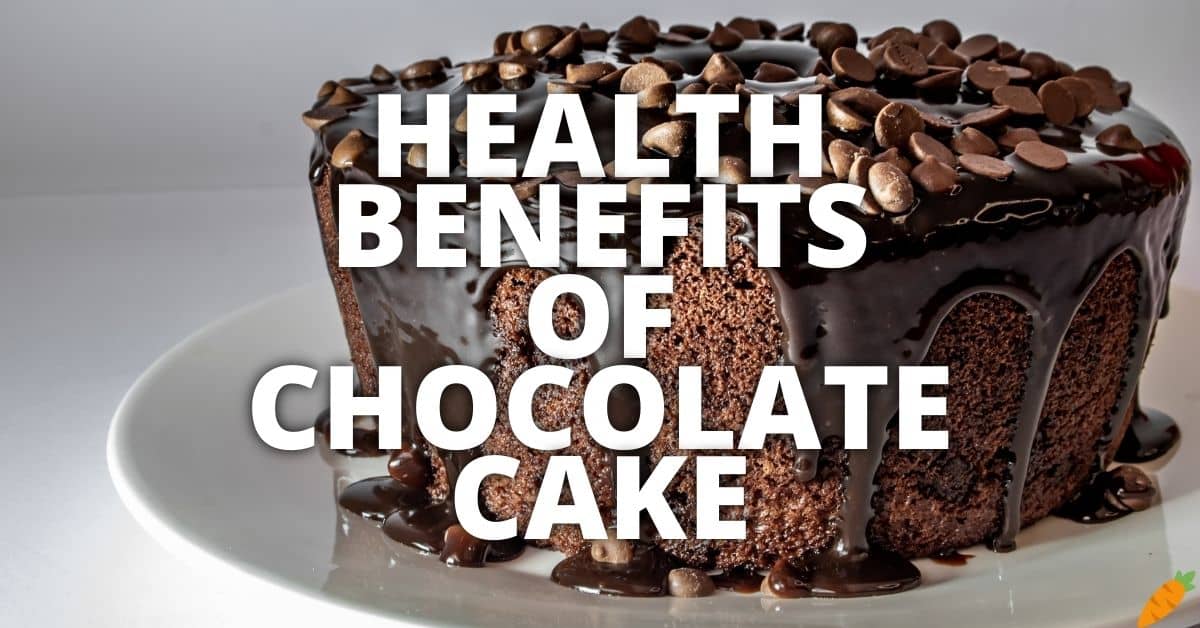
Chocolate cake is a dessert typically made with ingredients such as flour, sugar, eggs, fat, and cocoa powder or chocolate.
Cocoa gives chocolate cake its characteristic flavor and provides many of the compounds responsible for the potential health benefits discussed in this article.
There are countless varieties of chocolate cake. Some recipes use natural cocoa powder, while others use Dutch-processed cocoa, dark chocolate, milk chocolate, or a combination of chocolate ingredients.
Chocolate cake can also be served plain or topped with buttercream, ganache, cream cheese frosting, fruit, nuts, and other ingredients.
As a result, the nutritional profile of one chocolate cake can be very different from another.
Here are some of the potential benefits associated primarily with the cocoa it contains.
📙 Potential Health Benefits of Tempeh
1. Provides Antioxidant Compounds
One of the most interesting nutritional characteristics of cocoa is its polyphenol content.
Cocoa contains flavonoids, particularly compounds known as flavanols, that have antioxidant properties.
Antioxidants help protect cells from oxidative stress caused by an imbalance between free radicals and the body’s antioxidant defenses.
Researchers continue to investigate whether consuming flavanol-rich foods may contribute to long-term health.
However, antioxidant activity measured in laboratory experiments doesn’t necessarily mean that eating a particular food will prevent disease in humans.
The amount of flavanols in cocoa products can also vary significantly depending on how the cocoa beans are fermented, roasted, processed, and prepared.
Therefore, chocolate cake shouldn’t automatically be considered an antioxidant-rich food simply because it contains cocoa.
📙 Potential Health Benefits of Dulce de Leche
2. May Support Heart and Blood Vessel Health
Some of the strongest evidence surrounding cocoa relates to cardiovascular health.
Cocoa flavanols may support the function of the endothelium, the thin layer of cells lining your blood vessels.
One way they may accomplish this is by supporting nitric oxide availability.
Nitric oxide helps blood vessels relax and widen, which can improve blood flow.
Clinical research and meta-analyses have found that cocoa or high-cocoa dark chocolate consumption may produce small reductions in blood pressure in some people.
Researchers have also investigated cocoa’s effects on other cardiovascular risk factors, including cholesterol and blood vessel function.
These findings don’t mean eating chocolate cake will prevent heart disease.
Instead, they suggest that certain compounds naturally present in cocoa may have modest beneficial effects on some markers of cardiovascular health.
📙 Potential Health Benefits of Caramel
3. May Support Brain Function
Your brain depends on a healthy blood supply, so researchers have been interested in whether cocoa flavanols could influence brain function.
Some studies suggest that cocoa flavanols may affect cerebral blood flow and certain aspects of cognitive performance.
Research has examined potential effects on memory, attention, executive function, and mental performance.
However, the results aren’t completely consistent.
Some controlled trials and reviews have reported improvements in certain areas of cognition, while longer-term research has not always found significant benefits.
Chocolate also naturally contains small amounts of stimulants, including caffeine and theobromine, which may contribute to short-term alertness.
Overall, cocoa and cognition remain an interesting area of research, but it would be premature to say that eating chocolate, or chocolate cake, prevents cognitive decline or neurodegenerative disease.
📙 Potential Health Benefits of Biltong
4. May Have Positive Effects on Mood
There’s something comforting about eating chocolate.
But why does it make some of us feel good?
Chocolate contains numerous biologically active compounds, and you may have heard claims that substances such as phenylethylamine are directly responsible for chocolate’s mood-enhancing effects.
The reality is more complicated.
Chocolate’s pleasurable taste, aroma, texture, carbohydrate content, personal associations, and effects on the brain’s reward system may all contribute to the experience.
Some research suggests that cocoa or chocolate consumption may influence certain aspects of mood, but the mechanisms and significance of these effects aren’t completely understood.
Sometimes there’s also a much simpler explanation.
Eating a food you genuinely enjoy can be pleasurable.
A delicious slice of chocolate cake during a birthday celebration with family and friends certainly qualifies.
📙 Potential Health Benefits of Yam Flour
5. Cocoa Provides Dietary Fiber
You probably don’t associate chocolate with fiber, but cocoa naturally contains it.
Dietary fiber is important for digestive health. It contributes to normal bowel function, can promote satiety, and provides nourishment for some beneficial microorganisms in the gut.
Dark chocolate containing a high percentage of cocoa can therefore provide some dietary fiber.
Chocolate cake can also contain fiber from cocoa, flour, nuts, fruit, or other ingredients, although the amount depends on the recipe.
I wouldn’t recommend relying on chocolate cake as your primary source of fiber.
Vegetables, fruits, legumes, whole grains, nuts, and seeds are much better ways to meet your daily fiber needs.
Consider the fiber from cocoa a small nutritional bonus.
📙 Potential Health Benefits of Wildflower Honey
6. Cocoa Provides Important Minerals
Cocoa isn’t just flavorful. It also provides several essential minerals.
Depending on the type and amount consumed, cocoa and dark chocolate can contribute nutrients such as:
- Magnesium
- Iron
- Copper
- Manganese
- Potassium
- Zinc
- Phosphorus
These minerals perform numerous important functions in your body.
For example, magnesium contributes to normal muscle and nerve function. Iron is necessary for producing hemoglobin, while zinc supports normal immune function. Copper is involved in processes including energy production, iron metabolism, and connective tissue formation.
Once again, there’s an important distinction between cocoa and chocolate cake.
The amount of these minerals in a slice of cake depends on the recipe and how much cocoa or chocolate it contains.
Chocolate cake shouldn’t be your primary source of essential minerals, but its cocoa content can make a genuine nutritional contribution.
📙 Potential Health Benefits of Sweets
7. May Have Favorable Effects on Cholesterol and Other Cardiometabolic Markers
Researchers have investigated whether cocoa and dark chocolate can influence cholesterol, blood glucose, blood pressure, and other cardiometabolic markers.
Some randomized trials and meta-analyses have found modest reductions in LDL cholesterol, total cholesterol, fasting blood glucose, and blood pressure following cocoa or high-cocoa dark chocolate interventions.
However, these effects aren’t seen consistently across every health marker or every study.
The results can vary according to the cocoa product, flavanol content, amount consumed, study population, and length of the intervention.
It’s also important to remember that these studies generally examine cocoa or high-cocoa dark chocolate rather than conventional chocolate cake.
A cake containing large amounts of added sugar and saturated fat shouldn’t be considered a cholesterol-lowering or blood-sugar-lowering food simply because it contains cocoa.
📙 Probable Health Benefits of Different Foods
8. Cocoa May Have Anti-Inflammatory Properties
This is one of the potential benefits of cocoa that I find particularly interesting.
Inflammation is a normal and essential part of the body’s immune response. However, persistent low-grade inflammation is associated with several chronic health conditions.
Cocoa flavanols and other polyphenols have been studied for their possible effects on inflammatory and oxidative-stress markers.
Research suggests cocoa and dark chocolate may influence certain markers related to inflammation and oxidative stress, although findings across studies aren’t completely consistent.
Researchers are continuing to investigate how significant these effects are and whether they translate into meaningful long-term health benefits.
Therefore, I wouldn’t describe chocolate cake itself as an “anti-inflammatory food.”
A more accurate way to put it is that cocoa contains bioactive compounds being investigated for potential antioxidant and anti-inflammatory effects.
That’s still pretty interesting for something that tastes so good.
9. Cocoa Flavanols May Support Some Aspects of Skin Health
Here’s one of the more unusual areas of cocoa research.
Cocoa flavanols have been investigated for possible effects on skin circulation, elasticity, hydration, wrinkles, and the skin’s response to ultraviolet radiation.
Some controlled studies have reported improvements in certain measures of skin condition, while other research hasn’t found significant protection against UV-induced skin redness.
The evidence is therefore mixed, and cocoa shouldn’t be considered a substitute for established sun-protection measures.
If you’re going outdoors, appropriate clothing, shade, and sunscreen remain much more important for protecting your skin.
Still, the relationship between cocoa flavanols and skin health is an interesting subject that researchers continue to investigate.
Is Chocolate Cake Actually Healthy?
After reading about all these potential benefits, you might be wondering whether chocolate cake deserves a place on the health-food shelf.
Probably not.
Most traditional chocolate cakes contain significant amounts of added sugar, refined flour, fat, and calories. Frosting, fillings, chocolate chips, syrups, and other additions can increase these amounts further.
That’s why it’s important to separate two ideas:
Cocoa contains beneficial nutrients and bioactive compounds.
Chocolate cake is generally a dessert.
Both statements can be true at the same time.
Food doesn’t necessarily have to be classified as completely “healthy” or “unhealthy.” Your overall eating pattern, serving size, frequency of consumption, individual nutritional needs, and the rest of your lifestyle matter.
For many people, an occasional piece of chocolate cake can fit into an otherwise nutritious and balanced diet.
How Can You Make Chocolate Cake a Little Healthier?
If you love chocolate cake but want to improve its nutritional profile, the recipe can make a difference.
Using unsweetened cocoa powder or chocolate with a higher cocoa percentage can increase the proportion of cocoa while allowing you to control how much sugar goes into the recipe.
Depending on the cake, you could also experiment with reducing added sugar, using some whole-grain flour, adding nuts or fruit, or choosing toppings that aren’t excessively sweet.
Another simple strategy is to use less frosting.
And don’t overlook one of the easiest approaches: portion size.
You don’t necessarily need to transform chocolate cake into a health food.
Sometimes, eating a smaller serving of the chocolate cake you genuinely enjoy is more satisfying than eating a large portion of a heavily modified version.
Conclusion
Chocolate cake isn’t a miracle health food, but that doesn’t mean there’s nothing nutritionally interesting about it.
Cocoa contains flavanols, other polyphenols, fiber, minerals, and additional compounds that researchers continue to study for their potential effects on cardiovascular health, blood vessel function, cognition, inflammation, mood, cardiometabolic markers, and skin health.
The important word here is cocoa.
Most scientific studies examine cocoa, cocoa flavanols, cocoa extracts, or dark chocolate, not slices of chocolate cake.
The amount of potentially beneficial compounds you get from chocolate cake will depend on the type and amount of cocoa or chocolate it contains, along with everything else in the recipe.
So, I wouldn’t eat chocolate cake because I expect it to lower my blood pressure, improve my cholesterol, or reduce inflammation.
I eat it because I enjoy chocolate cake.
And if some beneficial cocoa compounds come along for the ride, that’s a nice bonus.
Personally, the potential anti-inflammatory effects of cocoa are the most interesting to me.
I love chocolate, and naturally, chocolate cake is part of that.
At the same time, I’m cutting down on my sugar intake, so chocolate cake isn’t something I eat regularly.
But birthdays?
Well, you need to eat birthday cake.
LOL.
The key for me is moderation.
Enjoy the foods you love, pay attention to your portions, and make the majority of your diet nutritious.
Chocolate cake can be a treat without needing to pretend it’s broccoli.
What’s your favorite potential benefit of cocoa or dark chocolate?
If you found this article interesting, please share it with your family and friends.
Thank you very much!
Stay healthy and safe!
Frequently Asked Questions
1. Is chocolate cake healthy?
Chocolate cake is generally better considered a dessert than a health food. However, cocoa contains flavanols, minerals, fiber, and other potentially beneficial compounds. Whether a particular chocolate cake provides meaningful amounts depends on its ingredients, cocoa content, processing, and serving size.
2. Is dark chocolate healthier than chocolate cake?
If your goal is to consume more cocoa with less added sugar and refined flour, high-cocoa dark chocolate will generally be a better choice than conventional chocolate cake. However, dark chocolate is still energy-dense and can contain significant amounts of fat and sugar, so portion size matters.
3. What percentage of dark chocolate should I choose?
Dark chocolate containing around 70% cocoa or more generally contains more cocoa solids and tends to contain less sugar than milk chocolate. However, cocoa percentage doesn’t tell you the exact flavanol content because processing methods can substantially affect these compounds.
4. Does chocolate cake contain antioxidants?
Cocoa naturally contains polyphenols with antioxidant properties, including flavanols. Therefore, chocolate cake containing cocoa can provide some of these compounds. The amount varies according to the type and quantity of cocoa and how it has been processed.
5. Can chocolate cake improve heart health?
Research suggests that cocoa flavanols may support blood vessel function and modestly affect certain cardiovascular risk markers. However, this evidence doesn’t establish chocolate cake as a heart-healthy food or show that eating it prevents cardiovascular disease.
6. Is chocolate cake anti-inflammatory?
It would be more accurate to say that cocoa contains compounds being studied for potential anti-inflammatory effects. Current evidence doesn’t justify classifying conventional chocolate cake itself as an anti-inflammatory food.
7. Can chocolate improve your mood?
Possibly. Research suggests cocoa or chocolate may influence some aspects of mood, but the mechanisms aren’t completely understood. Taste, aroma, texture, personal associations, and the brain’s reward response may all contribute to the pleasure people experience from eating chocolate.
8. Can chocolate improve brain function?
Some studies suggest cocoa flavanols may affect cerebral blood flow and certain aspects of cognition, but findings aren’t consistent across all studies. There isn’t enough evidence to say that eating chocolate or chocolate cake prevents cognitive decline.
9. Can I eat chocolate cake while trying to eat healthier?
For many people, yes. An occasional serving of chocolate cake can fit into a balanced diet. Portion size, frequency, ingredients, and the quality of your overall eating pattern are more important than any single food.
Content Disclaimer
This article is for general informational and educational purposes only and isn’t intended to provide medical advice, diagnosis, or treatment.
The potential health effects discussed in this article primarily come from research involving cocoa, cocoa flavanols, cocoa products, cocoa extracts, or dark chocolate. They shouldn’t be interpreted as evidence that chocolate cake can prevent, treat, or cure any disease or health condition.
Chocolate cakes vary considerably in their ingredients and nutritional content and may contain substantial amounts of added sugar, saturated fat, and calories. They may also contain common allergens such as milk, eggs, wheat, soy, and nuts.
Individual nutritional needs vary. People with health conditions, food allergies, dietary restrictions, or other specific nutritional concerns should consider their individual circumstances when deciding how chocolate cake fits into their diet.
If you have questions about how a particular food or dietary pattern may affect your health, consult a qualified healthcare professional or registered dietitian for individualized guidance.