

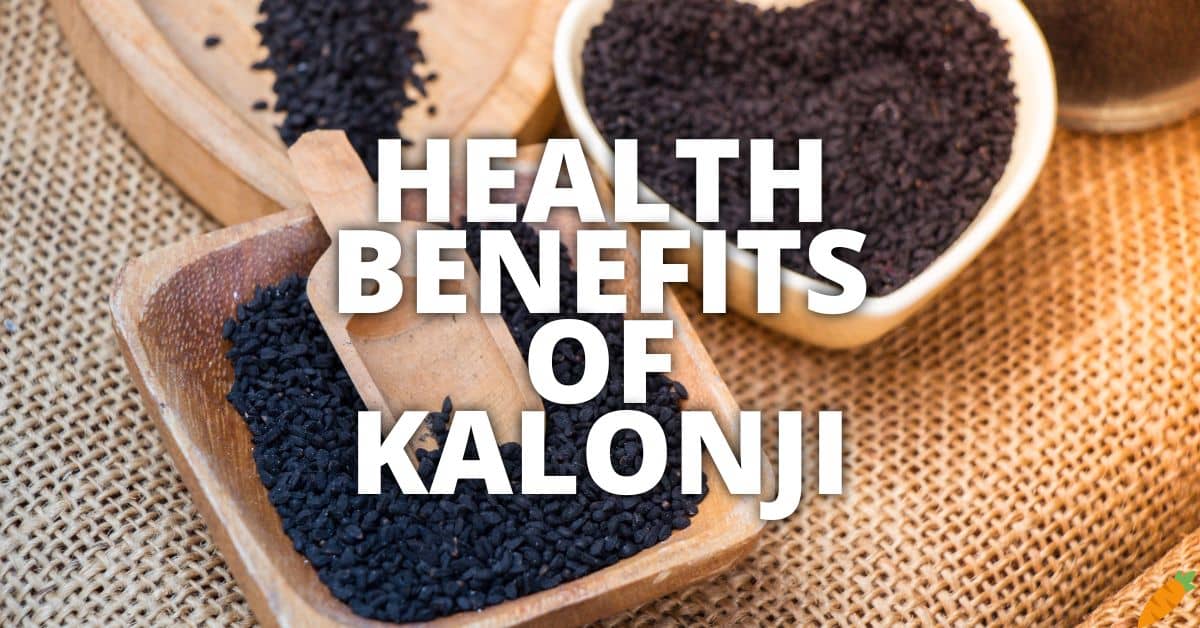
Kalonji is a small black seed that has been used in cooking and traditional medicine for many years.
People value it for its strong flavor and for the many ways it may support health.
Both the seeds and the oil are known for properties that may help the body manage inflammation, stress, and digestion.
You are probably interested in the potential health benefits of kalonji because early research and long-term use suggest it may support different parts of the body.
Learning about these possible benefits can help you decide how kalonji might fit into your daily routine.
1. Kalonji May Have Antioxidant Properties
Kalonji is often known as black cumin or black caraway, and it is valued for compounds that may help protect the body from oxidative stress.
Antioxidants are important because they can stop free radicals, which are unstable molecules that may harm cells.
When free radicals build up, they can cause oxidative stress, which is linked to aging, inflammation, and long-term health problems.
Kalonji contains active compounds such as thymoquinone, carvacrol, and t-anethole that may help lower this stress.
These compounds may work by neutralizing free radicals before they can damage cells.
When this protection happens, the body’s natural defenses may work more smoothly.
Adding kalonji to meals may offer extra support for overall health through these antioxidant effects.
It may also play a role in lowering the risk of chronic health issues that are connected to oxidative stress.
Even with these benefits, people should still eat a variety of foods that are rich in antioxidants because no single ingredient can meet every nutritional need.
📙 Potential Health Benefits of Ceylon Cinnamon
2. May Have Anti-Inflammatory Effects (My Favorite Potential Health Benefit Of Kalonji) ⭐
Inflammation is a natural response of the body’s immune system to injury or infection, but it can cause problems when it continues for a long time.
Chronic inflammation may raise the risk of conditions such as heart disease, arthritis, diabetes, and some forms of cancer.
Kalonji, which comes from the plant Nigella sativa, is often used in natural remedies because it contains compounds that may help calm this response.
One of the most studied compounds is thymoquinone, and some early findings suggest that it may lower inflammation in the body.
These compounds may slow the production of inflammatory chemicals like prostaglandins and cytokines, which play a large role in long-lasting inflammation.
Because of this effect, kalonji may help ease discomfort linked to inflammation and may support better health over time.
People who use kalonji should remember that research is needed to fully understand how strong these effects are in humans.
Even with this uncertainty, many people find it interesting that a small seed used in cooking may also offer support for inflammation.
📙 Potential Health Benefits of Ehuru
3. Kalonji May Help With Blood Sugar Management
Diabetes is a long-term condition in which the body has trouble controlling blood sugar levels, and this can happen when insulin is low or when the body does not use it well.
High blood sugar that is not managed can lead to problems with the nerves, kidneys, and eyes, so steady control is very important.
Kalonji has been studied as a plant-based option that may give extra support for blood sugar management.
Some people use black seed oil because oil may provide helpful compounds such as thymoquinone and nigellone.
These compounds may help the body respond better to insulin, which is needed to move sugar from the blood into the cells.
They may also help the body use glucose more efficiently, which can help keep blood sugar levels within a healthy range.
While these findings are promising, people should still follow medical advice and use kalonji only as a supportive option.
📙 Potential Health Benefits of Cinnamon Leaves
4. May Provide Asthma Relief
Asthma is a chronic respiratory condition that affects millions of people worldwide.
It is characterized by inflammation and narrowing of the airways, leading to difficulty breathing, wheezing, chest tightness, and coughing.
While there is no cure for asthma, effective symptom management is essential to preserving a high quality of life for those who suffer from the condition.
Kalonji has been traditionally used in various cultures to help manage asthma symptoms.
The potential benefits of kalonji for asthma relief may be attributed to its anti-inflammatory and bronchodilatory properties.
Compounds such as thymoquinone found in kalonji have been shown to reduce inflammation, which is a key factor in asthma exacerbations.
Additionally, some research suggests that kalonji may help relax the muscles surrounding the airways, making it easier to breathe.
📙 Potential Health Benefits of Ginger and Honey
5. Kalonji May Improve Cholesterol Levels
Cholesterol is a fatty substance found in the blood, and it plays a vital role in various functions within the body, such as hormone production and cell membrane formation.
However, having high levels of low-density lipoprotein (LDL) cholesterol, often referred to as “bad” cholesterol, can lead to a buildup of plaque in the arteries, increasing the risk of heart disease and stroke.
In contrast, high-density lipoprotein (HDL) cholesterol, or “good” cholesterol, helps transport excess cholesterol back to the liver to be removed from the body, thereby promoting heart health.
Kalonji may have a positive impact on cholesterol levels.
Some studies suggest that consuming kalonji can help lower LDL cholesterol and increase HDL cholesterol levels.
This effect may be attributed to the presence of active compounds in kalonji, such as thymoquinone and linoleic acid, which can influence the metabolism and transport of cholesterol in the body.
Including kalonji in your diet may contribute to better cholesterol balance and support cardiovascular health.
However, it’s important to remember that improving cholesterol levels involves a combination of factors, such as maintaining a balanced diet, engaging in regular physical activity, and managing stress.
Consuming a variety of heart-healthy foods, including whole grains, fruits, vegetables, lean proteins, and healthy fats like those found in nuts, seeds, and fish, can further support healthy cholesterol levels.
📙 Potential Health Benefits of Amba Haldi
6. Kalonji May Help Support Healthy Blood Pressure
Research suggests that kalonji may help lower blood pressure by gently supporting blood vessel function.
Some studies show small drops in both systolic and diastolic numbers in adults who use kalonji oil or supplements.
These effects may come from its ability to reduce inflammation and stress in the body.
Results are not the same for everyone, and some people may not notice a change.
Anyone who already takes medicine for blood pressure should talk to a doctor before using kalonji to avoid lowering their blood pressure too much.
📙 Potential Health Benefits of Njansang
7. May Enhance Liver Health
The liver is a vital organ responsible for various functions in the body, including detoxification, metabolism, and digestion.
Maintaining liver health is crucial for overall well-being, as liver damage can lead to various health issues such as cirrhosis, fatty liver disease, and hepatitis.
Taking kalonji, or nigella seeds, may have a protective effect on the liver due to the presence of bioactive compounds like thymoquinone, which has been studied for its potential liver-protective properties.
These compounds may help prevent liver damage by reducing oxidative stress and inflammation, both of which can contribute to liver injury.
In addition, some research suggests that kalonji may help the liver detoxify harmful substances, further supporting liver health.
Incorporating kalonji into your diet could potentially contribute to enhanced liver health by providing a protective effect against certain toxins and reducing oxidative stress.
However, it’s important to keep in mind that maintaining liver health involves various lifestyle factors, such as maintaining a balanced diet, limiting alcohol intake, and avoiding exposure to harmful substances.
To support liver health, consider incorporating a variety of nutrient-dense, liver-friendly foods into your diet, including fruits, vegetables, whole grains, lean proteins, and healthy fats.
📙 Potential Health Benefits of Pimento Seeds
8. Consuming Kalonji May Help With Weight Loss
Weight loss can be a challenging process, often involving a combination of dietary changes, exercise, and other lifestyle adjustments.
Kalonji has been studied for its potential to aid in weight loss and may provide some support in this journey.
Some research suggests that kalonji may help with weight loss by reducing appetite and improving metabolism.
The active compounds found in kalonji, such as thymoquinone and linoleic acid, are thought to influence hormones and neurotransmitters that regulate appetite, making it easier to control food intake.
Furthermore, these compounds may help increase the rate at which the body burns calories, leading to a more efficient metabolism.
Incorporating kalonji into your diet could potentially provide an additional tool to support weight loss efforts.
However, it’s essential to recognize that no single food or supplement can magically lead to weight loss.
A sustainable and successful weight loss plan typically involves a combination of a balanced, nutrient-dense diet, regular physical activity, adequate sleep, and stress management.
To maximize the potential benefits of kalonji for weight loss, consider using it as a complement to a healthy, balanced diet that includes a variety of fruits, vegetables, whole grains, lean proteins, and healthy fats.
Moreover, establishing a consistent exercise routine and practicing other healthy lifestyle habits can further support weight loss and overall well-being.
📙 Potential Health Benefits of Mace
9. May Show Antimicrobial Activity
Antimicrobial substances are capable of inhibiting the growth of or destroying microorganisms, such as bacteria, fungi, and parasites.
These properties are valuable in combating infections and promoting overall health.
Kalonji has been shown to exhibit antimicrobial activity, which could potentially help fight off infections and harmful bacteria.
The antimicrobial properties of kalonji are attributed to the presence of bioactive compounds such as thymoquinone, nigellone, and α-hederin.
These compounds can help inhibit the growth of various microorganisms, including antibiotic-resistant bacteria, by targeting their cell walls and disrupting essential cellular processes.
In addition to its potential use in traditional medicine, kalonji’s antimicrobial properties have also garnered interest for potential applications in food preservation and as a natural alternative to synthetic antimicrobial agents.
📙 Potential Ways Different Spices Could Benefit Your Health
10. Using Kalonji May Improve Digestion
A healthy digestive system is important because it helps the body break down food, absorb nutrients, and remove waste in an orderly way.
When digestion is weak, people may feel bloating, gas, or stomach pain, and these problems can grow worse when stress or poor eating habits are present.
Kalonji has been used in many cultures to support digestive health, and some of its effects may come from natural compounds found in the seeds.
One helpful compound is thymoquinone, which may calm parts of the digestive tract that often become tense or irritated.
Kalonji also contains fiber, and fiber can help move food through the intestines at a steady pace.
This added bulk may support regular bowel movements, which can lower discomfort caused by slow digestion.
Some studies suggest that kalonji may help relax the smooth muscles in the gut, and this may reduce cramping and tightness.
It may also limit extra gas in the intestines, which can ease bloating and pressure.
People who use kalonji for digestion often find that it helps them feel more comfortable after meals.
The seeds may also support a healthy balance of gut bacteria, which is important because these bacteria help the body process food.
While kalonji can be a useful part of a routine, it should be combined with good habits such as drinking enough water and eating fiber-rich foods.
These habits work together to help keep the digestive system functioning smoothly.
11. May Benefit Cognitive Health
Cognitive health refers to the ability of the brain to perform various functions, such as memory, learning, attention, and problem-solving.
Maintaining cognitive health is crucial for overall well-being and quality of life, particularly as we age.
Some studies suggest that kalonji, or nigella seeds, may have a positive effect on memory, learning, and overall cognitive function.
The potential cognitive benefits of kalonji can be attributed to its bioactive compounds, such as thymoquinone, which have antioxidant and anti-inflammatory properties.
These properties may help protect brain cells from oxidative stress and inflammation, which are known to contribute to cognitive decline and neurodegenerative diseases such as Alzheimer’s disease.
Some research has shown that kalonji may enhance memory and learning by improving neurotransmitter function and promoting the growth of new neurons.
To add more, its antioxidant and anti-inflammatory effects may help protect against age-related cognitive decline and reduce the risk of neurodegenerative disorders.
Incorporating kalonji into your diet may potentially support cognitive health and help maintain brain function.
However, it’s essential to remember that promoting cognitive health involves various factors, such as a balanced diet, regular physical activity, adequate sleep, and mental stimulation.
To support cognitive health, consider incorporating a variety of brain-healthy foods into your diet, including fruits, vegetables, whole grains, lean proteins, and healthy fats like those found in nuts, seeds, and fish.
Engaging in regular mental exercises, such as puzzles, learning new skills, or practicing mindfulness, can also help maintain cognitive function.
💡 Conclusion
Kalonji may offer support for many parts of the body, and hopefully, we’ve shown you how its seeds and oil have been used and studied.
These possible benefits include support for inflammation, heart health, digestion, blood sugar, and other important functions.
While kalonji can be a helpful addition to a healthy routine, it should not replace medical care or guidance from a trained professional.
It is important to use it along with good habits that include balanced meals, regular movement, enough sleep, and stress management.
With the right approach, kalonji can be one of many tools that help you care for your overall well-being.
⛑️ Safety First
While kalonji offers numerous potential health benefits, it’s important to exercise caution when incorporating it into your diet.
Some individuals, such as pregnant or breastfeeding women, those with allergies to black seed or other plants in the Ranunculaceae family, and people taking blood-thinning medications, should avoid consuming kalonji or consult with a healthcare professional before doing so.
It’s always recommended to talk with your doctor or a registered dietitian before adding any new supplement or making significant changes to your diet, especially if you have pre-existing health conditions or concerns.
Keep in mind that these are potential health benefits, and some of these benefits may be based on anecdotal evidence and theories rather than conclusive scientific research.
In order to make informed decisions about your health, it’s crucial to conduct your own research on the potential benefits of kalonji and consult with a professional.
By doing so, you can ensure that you are making the best choices for your unique health needs and circumstances.
⚠️ Content Disclaimer
This content is for general information and should not be used as medical advice.
You may treat this article for entertainment purposes if you are unsure how to apply the information.
Always talk to a qualified healthcare provider before making changes to your diet, supplements, or treatment plan.
The facts shared here may not apply to everyone, and individual needs can be different.
Use this article as a guide, not as a replacement for professional care.
❓ FAQs
1. What is kalonji used for?
Kalonji is used in many dishes to add flavor, and it has also been used in traditional medicine for a long time.
People use the seeds or the oil to support different parts of the body.
Some of the areas it may help include inflammation, digestion, and overall wellness.
2. How much kalonji should I take each day?
There is no single amount that works for everyone because people use kalonji in different ways.
Many people add small amounts of the seeds to food or use a small amount of the oil, but the right amount can depend on personal needs.
It is best to talk to a healthcare professional if you are unsure how much to use.
3. Can kalonji help with heart health?
Kalonji may support heart health by helping with cholesterol levels and blood pressure, which are both important for the heart.
Some studies show small improvements, but results can differ from person to person.
It should be used along with healthy habits like good food choices and regular activity.
4. Is kalonji safe for everyone?
Most people can use kalonji in small amounts as a spice, but some may be sensitive to it.
People who take medicine for blood pressure or blood sugar should be careful because kalonji may affect these levels.
It is always a good idea to ask a doctor if you have health concerns before using it regularly.
5. Can I use kalonji for weight loss?
Kalonji may help support weight loss by affecting appetite and metabolism, but it is not a quick fix.
It works best when used with healthy eating, movement, and good daily habits.
People should not rely on it alone and should look at their whole lifestyle for better results.