

Cockles may be small, but they can provide an impressive range of nutrients.
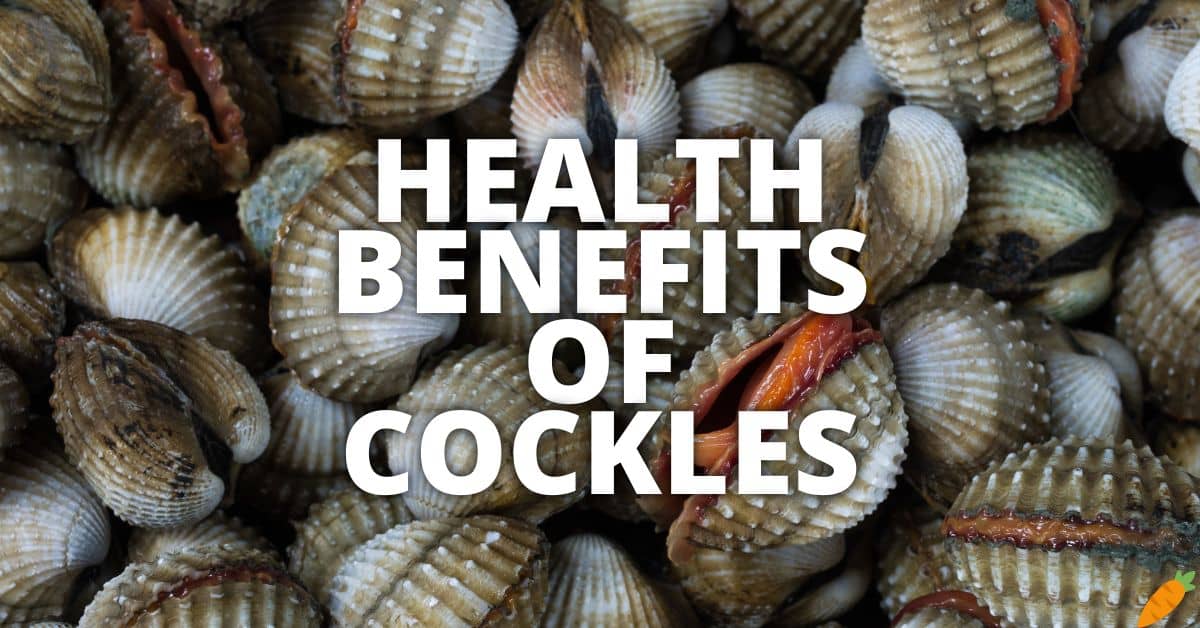
These edible shellfish are bivalve mollusks, most commonly belonging to the family Cardiidae. They have distinctive ribbed, often heart-shaped shells and are found in coastal waters in many parts of the world.
Cockles are eaten in a variety of ways. They can be steamed or boiled, served with vinegar, or added to soups, pasta dishes, curries, and stir-fries.
From a nutritional perspective, cockles are particularly interesting because they provide high-quality protein along with vitamin B12, iron, selenium, iodine, and several other essential nutrients. They also contain omega-3 fatty acids while generally being relatively low in fat.
That doesn’t mean eating cockles will prevent or treat disease. Their potential health benefits primarily come from the nutrients they contribute as part of a balanced diet.
Key Takeaways
- Cockles provide high-quality, complete protein.
- They are generally relatively low in calories and fat.
- Cockles can be exceptionally rich in vitamin B12 and iron.
- They can provide substantial amounts of selenium and iodine, along with magnesium, zinc, and other minerals.
- Cockles contain omega-3 fatty acids, although fatty fish are generally more concentrated sources.
- Their combination of protein and relatively few calories can make them useful in a weight-conscious diet.
- People with gout may need to moderate their intake of shellfish as part of their overall approach to purine-rich foods.
- People with shellfish allergies should avoid cockles.
- Because cockles are filter feeders, proper sourcing, storage, and preparation are particularly important.
Cockles Nutrition Facts
The nutritional composition of cockles varies depending on the species, where they were harvested, the season, and how they were prepared.
As an example, approximately 100 grams (3.5 ounces) of cooked common cockles can provide:
| Nutrient | Approximate Amount per 100 g |
| Calories | 87 kcal |
| Protein | 13.6 g |
| Total fat | 1.1 g |
| Saturated fat | 0.29 g |
| Carbohydrates | 5.6 g |
| Cholesterol | 50.7 mg |
| Sodium | 384 mg |
| Calcium | 208 mg |
| Iron | 14 mg |
| Magnesium | 63.1 mg |
| Potassium | 139 mg |
| Phosphorus | 161 mg |
| Zinc | 1.4 mg |
| Selenium | 63 mcg |
| Iodine | 163 mcg |
| Vitamin B12 | 38 mcg |
These figures should be treated as representative rather than universal. Different cockle species and preparation methods can produce substantially different values.
For example, raw cockle data from another food-composition source reports approximately 79 calories, 13.5 grams of protein, and 0.7 grams of fat per 100 grams. This illustrates why nutrition figures for cockles shouldn’t be treated as exact values for every product.
With their nutritional profile in mind, let’s look more closely at some of the potential health benefits of cockles.
📙 Potential Health Benefits of Sea Cucumber
1. Excellent Source of Protein
One of the main nutritional advantages of cockles is their protein content.
A 100-gram serving of cooked cockles can provide approximately 13.6 grams of protein.
Protein is an essential nutrient your body uses to build, repair, and maintain tissues, including muscles, skin, and organs.
Your body also needs protein to produce enzymes, hormones, antibodies, and many other important compounds.
As an animal-derived food, cockles provide complete protein, meaning they contain all nine essential amino acids that your body cannot make in sufficient amounts on its own.
Protein can also promote satiety, or the feeling of fullness after eating. This can make protein-rich foods useful as part of a balanced approach to appetite and weight management.
Cockles aren’t the only way to get high-quality protein, of course. They’re simply another nutritious option alongside fish, eggs, poultry, dairy products, legumes, nuts, seeds, and other protein-rich foods.
📙 Potential Health Benefits Of Purple Sea Moss
2. Relatively Low in Calories and Fat
Cockles provide a substantial amount of protein without adding large amounts of calories or fat.
A 100-gram portion of cooked cockles provides roughly 87 calories and just over 1 gram of fat, although exact amounts vary.
This combination can make cockles an appealing choice if you’re looking for nutrient-dense foods while managing your overall calorie intake.
It’s important, however, not to think of cockles as a food that directly causes weight loss.
Weight loss depends primarily on maintaining an appropriate calorie deficit over time. Cockles can fit into that type of eating pattern, but they don’t create a calorie deficit by themselves.
Preparation also matters.
Steamed or boiled cockles have a very different nutritional profile from cockles prepared with large amounts of butter, cream, oil, or calorie-dense sauces.
If you’re watching your calorie intake, steaming or boiling cockles and pairing them with vegetables or other minimally processed foods can keep the overall meal relatively light.
📙 Potential Health Benefits of Hake
3. Exceptionally Rich in Vitamin B12
Vitamin B12 is one of the standout nutrients in cockles.
Some food-composition data for cooked cockles reports around 38 micrograms of vitamin B12 per 100 grams, many times the adult Daily Value.
Your body needs vitamin B12 for several important functions.
It contributes to normal red blood cell formation, DNA synthesis, neurological function, and numerous metabolic processes.
Getting enough vitamin B12 is particularly important because a deficiency can eventually cause megaloblastic anemia and neurological problems.
Animal-derived foods are the main natural dietary sources of vitamin B12, and shellfish can be particularly rich sources.
For people who eat seafood, cockles can therefore make a substantial contribution to vitamin B12 intake.
However, if you have a diagnosed vitamin B12 deficiency, don’t rely on cockles or another individual food to treat it. The underlying cause may need to be identified, and supplementation or medical treatment may be necessary.
📙 Potential Health Benefits of Omena
4. Excellent Source of Iron
Cockles can be remarkably rich in iron.
Some cooked cockle data provides around 14 milligrams of iron per 100 grams. For comparison, the current U.S. Daily Value for iron is 18 milligrams.
Iron is required to produce hemoglobin, the protein in red blood cells responsible for transporting oxygen from your lungs to tissues throughout your body.
It’s also involved in energy metabolism, immune function, and other physiological processes.
Animal foods can provide heme iron, which is generally absorbed more efficiently than the non-heme iron found in plant foods.
That makes cockles a potentially valuable source of dietary iron.
However, iron deficiency and anemia can have numerous causes. Someone who has been diagnosed with either should seek appropriate medical guidance rather than attempting to correct the problem simply by eating more iron-rich foods.
📙 Potential Health Benefits Of Abalone
5. Rich in Selenium
Cockles can also provide substantial amounts of selenium.
A 100-gram serving of cooked cockles may provide approximately 63 micrograms. The U.S. Daily Value for selenium is 55 micrograms.
Selenium is an essential trace mineral involved in several important processes.
It forms part of proteins and enzymes involved in antioxidant defense, thyroid hormone metabolism, DNA synthesis, and reproduction.
You only need relatively small amounts of selenium, so more isn’t necessarily better. Cockles can simply be one dietary source among many.
📙 Potential Health Benefits of Clams
6. Provides Iodine
Cockles can also be a significant source of iodine.
Some cooked cockle data reports approximately 163 micrograms of iodine per 100 grams. The U.S. Daily Value is 150 micrograms.
Your thyroid gland requires iodine to produce thyroid hormones.
These hormones help regulate metabolism and are also important for normal growth and development.
However, both inadequate and excessive iodine intake can cause problems.
This is particularly relevant for people with certain thyroid conditions, who may have individualized recommendations regarding iodine consumption.
For most people, the goal is to obtain an appropriate amount of iodine through a balanced diet rather than deliberately consuming very large amounts.
📙 Potential Health Benefits Of Rohu Fish
7. Contains Omega-3 Fatty Acids
Cockles contain omega-3 fatty acids, including EPA and DHA, the long-chain omega-3s commonly associated with seafood.
These fatty acids are important components of cell membranes and are involved in numerous processes throughout the body.
EPA and DHA have been studied extensively for their roles in cardiovascular health, and higher intakes can help lower blood triglyceride levels.
Research examining cockle species has also found that omega-3 polyunsaturated fatty acids can make up a substantial proportion of their total fatty acids.
However, there’s an important distinction between the proportion of fat represented by omega-3 and the total amount of omega-3 in a serving.
Cockles are very low in total fat, so they shouldn’t automatically be considered equivalent to fatty fish.
Salmon, sardines, herring, and mackerel are generally better-known concentrated dietary sources of EPA and DHA.
Cockles can still contribute omega-3 fatty acids as part of a varied seafood intake.
📙 Promising Wellness Benefits of Different Seafoods
8. Provides Magnesium
Cockles can contribute magnesium to your diet.
Some cooked cockle data reports approximately 63 milligrams of magnesium per 100 grams.
Magnesium participates in hundreds of biochemical reactions in the body.
It’s involved in normal muscle and nerve function, energy production, blood glucose regulation, protein synthesis, bone health, and normal cardiovascular function.
Cockles aren’t necessarily among the very richest dietary sources of magnesium, but they can make a useful contribution alongside foods such as nuts, seeds, legumes, whole grains, and leafy green vegetables.
9. Provides Zinc and Other Essential Minerals
Cockles provide several additional minerals, including zinc, phosphorus, potassium, calcium, and copper.
Zinc
Zinc is required for normal immune function, wound healing, DNA synthesis, protein production, growth, and cell division.
Cockles can contribute zinc to your diet, although their zinc content is less remarkable than their vitamin B12, iron, selenium, and iodine content.
Phosphorus
Phosphorus plays an important role in bone and tooth structure and is also involved in energy metabolism and cell function.
Potassium
Potassium is an essential electrolyte involved in fluid balance, nerve transmission, and muscle contraction.
Cockles contain potassium, although based on available cooked cockle data, they shouldn’t be described as a particularly high-potassium food.
Calcium
Calcium is best known for its role in maintaining bones and teeth, but it’s also required for normal muscle contraction, nerve signaling, and other functions.
The amounts of these minerals can differ considerably among cockle species and preparations.
10. Can Fit Into a Heart-Healthy Diet
Cockles can fit comfortably into a heart-healthy eating pattern.
They’re high in protein, low in saturated fat, and contain omega-3 fatty acids and several important micronutrients.
Cockles and other shellfish also contain dietary cholesterol.
However, dietary cholesterol is only one part of the relationship between food and cardiovascular health. The overall dietary pattern, including saturated fat, fiber, calorie intake, and the types of foods you eat regularly, is also important.
For this reason, it’s more accurate to say that cockles can fit into a heart-healthy diet than to claim that they directly “control cholesterol.”
Preparation matters here as well.
Steamed cockles served with vegetables and whole grains, for example, create a very different meal from cockles covered in butter, cream, or highly salted sauces.
Cockles and Weight Management
If you’re trying to lose or maintain weight, cockles can fit well into a balanced eating plan.
They provide a good amount of protein for relatively few calories, and protein can help meals feel more satisfying.
This doesn’t make cockles a weight-loss food in the sense that eating them burns fat or automatically reduces body weight.
Your overall calorie intake, dietary pattern, physical activity, sleep, and other lifestyle and health factors matter considerably more.
Think of cockles as a nutrient-dense protein option rather than a weight-loss remedy.
Cockles and Gout
People with gout or elevated uric acid may want to pay particular attention to their seafood intake.
Purines are naturally occurring compounds found both in your body and in foods. When purines are broken down, uric acid is produced.
In susceptible individuals, persistently elevated uric acid levels can allow urate crystals to form in and around joints, contributing to gout.
Purine levels aren’t identical across all seafood. Research shows substantial variation according to species, body part, freshness, and other factors.
Nevertheless, dietary guidance for people with gout commonly recommends limiting portions of certain higher-purine animal foods, including some shellfish.
That doesn’t necessarily mean everyone with gout has to eliminate cockles completely.
Moderate portions may fit into an individual’s diet depending on overall eating habits, uric acid levels, frequency of gout attacks, medications, and medical advice.
Dietary changes can help with gout management, but they generally aren’t a substitute for urate-lowering medication when medication is medically indicated.
Are Cockles High in Sodium?
The sodium content of cockles can vary considerably.
Cooked cockle data may show several hundred milligrams of sodium per 100 grams, while other raw cockle data reports substantially less.
Processing can increase it further.
Canned, bottled, brined, seasoned, or commercially prepared cockles may contain additional salt, so checking the nutrition label is particularly useful if you’ve been advised to limit sodium.
The sauces and seasonings served with cockles can also contribute considerably more sodium than the shellfish themselves.
Safety and Precautions
Cockles can be nutritious, but food safety deserves particular attention with bivalve shellfish.
Shellfish Allergy
People with a shellfish allergy should avoid cockles unless an appropriate medical professional has specifically determined that they can safely eat them.
Shellfish allergies can cause severe and potentially life-threatening reactions.
Foodborne Illness
Cockles are filter feeders.
They obtain food by filtering surrounding water through their bodies. Unfortunately, this also means they can accumulate bacteria, viruses, toxins, and other contaminants if these are present in the water.
Eating contaminated raw or undercooked shellfish can therefore cause serious foodborne illness.
Buying cockles from reputable, regulated suppliers is an important precaution.
Marine Biotoxins
Certain microscopic algae produce naturally occurring toxins that can accumulate in filter-feeding shellfish.
These toxins can cause several forms of shellfish poisoning.
Importantly, some marine biotoxins are heat-stable. Ordinary cooking may kill many harmful microorganisms, but it doesn’t necessarily make shellfish contaminated with these toxins safe to eat.
Proper sourcing is therefore just as important as proper cooking.
Avoid harvesting cockles from waters that haven’t been declared safe for shellfish collection by the appropriate local authorities.
Raw and Undercooked Cockles
Thorough cooking reduces the risk posed by many disease-causing microorganisms.
People at increased risk of serious foodborne illness, including pregnant people, young children, older adults, and people with weakened immune systems, should be particularly cautious about raw or undercooked seafood.
When in doubt, choose cockles from a reputable source and cook them thoroughly.
How to Make Cockles a Healthier Meal
Cockles themselves may be nutrient-dense, but what you eat with them makes a considerable difference.
For a balanced meal, try pairing cockles with vegetables, legumes, or whole grains.
Steaming or boiling them and adding ingredients such as garlic, herbs, chili, tomatoes, or lemon can provide plenty of flavor without requiring large amounts of butter or cream.
If you’re watching your sodium intake, be mindful of salty broths, brines, bottled sauces, and processed cockle products.
Variety is also a good principle with seafood.
Instead of relying on cockles as your main seafood every day, rotate them with fatty fish and other seafood, as well as non-seafood protein sources.
Conclusion
Cockles can be a surprisingly nutrient-dense addition to a balanced diet.
Their most impressive nutritional attributes are their protein, vitamin B12, iron, selenium, and iodine. They also provide omega-3 fatty acids, magnesium, zinc, calcium, phosphorus, potassium, and other nutrients.
At the same time, it’s important to keep their benefits in perspective.
Eating cockles doesn’t automatically cause weight loss, lower cholesterol, prevent heart disease, treat anemia, or cure nutritional deficiencies. Their potential benefits primarily come from the nutrients they contribute within the context of your overall diet.
There are also important precautions to consider.
People with shellfish allergies should avoid cockles, while people with gout or medically prescribed dietary restrictions may need to consider portion size and frequency.
Proper sourcing and preparation are particularly important because cockles are filter feeders and can accumulate harmful microorganisms and naturally occurring marine biotoxins.
The simplest way to think about cockles is this: they’re not a miracle food, but they can be a highly nutritious and enjoyable seafood choice when sourced safely, prepared properly, and eaten as part of a varied diet.
Frequently Asked Questions
1. Are cockles healthy?
Yes, cockles can be a healthy food choice. They’re a good source of protein and can be particularly rich in vitamin B12, iron, selenium, and iodine. They also provide omega-3 fatty acids and several other minerals.
Their overall healthfulness still depends on portion size, preparation, and the rest of your diet.
2. Are cockles high in protein?
Cockles are a good source of complete protein. Approximately 100 grams of cooked cockles can provide around 13 to 14 grams of protein, although the exact amount varies.
Protein helps maintain and repair tissues and is required for the production of enzymes, hormones, antibodies, and numerous other compounds.
3. Are cockles high in vitamin B12?
Cockles can be exceptionally rich in vitamin B12. Some food-composition data for cooked cockles reports around 38 micrograms per 100 grams, which is many times the adult Daily Value.
4. Are cockles high in iron?
Cockles can be an excellent source of iron. Some cooked cockle data reports approximately 14 milligrams per 100 grams, although amounts vary by species and preparation.
5. Are cockles good for weight loss?
Cockles can fit into a weight-loss diet because they provide protein while generally being relatively low in calories and fat.
However, no individual food causes weight loss. Your overall calorie balance and dietary pattern are much more important.
6. Are cockles high in cholesterol?
Cockles contain dietary cholesterol. Some cooked cockle data reports approximately 51 milligrams per 100 grams.
Dietary cholesterol is only one consideration in cardiovascular nutrition, however. The overall dietary pattern and saturated fat intake also matter.
7. Do cockles contain omega-3?
Yes. Cockles contain the marine omega-3 fatty acids EPA and DHA.
However, because cockles contain relatively little total fat, fatty fish such as salmon, sardines, herring, and mackerel are generally more concentrated sources of omega-3.
8. Are cockles high in iodine?
Cockles can be a substantial source of iodine. Some cooked cockle data reports approximately 163 micrograms per 100 grams, although the amount can vary.
People with thyroid conditions who have been given specific advice about iodine intake should follow the recommendations of their healthcare professional.
9. Are cockles good for people with gout?
People with gout may need to moderate certain seafood and shellfish because they contain purines.
Purine content varies considerably among seafood species, so shellfish shouldn’t all be treated as nutritionally identical.
If you have gout, the amount of cockles appropriate for you can depend on your overall diet, uric acid control, medications, and frequency of gout attacks.
10. Can you eat cockles every day?
Cockles can be part of a healthy diet, but there’s generally no nutritional need to eat the same seafood every day.
Eating a variety of seafood and other protein sources provides a wider range of nutrients and avoids excessive reliance on any single food.
11. Can you eat cockles raw?
Raw or undercooked shellfish carries a greater risk of foodborne illness.
Proper cooking reduces many microbial risks, but cooking cannot reliably eliminate certain marine biotoxins. Obtaining cockles from safe, regulated sources is therefore essential.
12. Does cooking destroy toxins in cockles?
Not always.
Cooking can destroy many disease-causing microorganisms, but some naturally occurring marine biotoxins that accumulate in shellfish are heat-stable and aren’t reliably destroyed by ordinary cooking.
This is why safe harvesting and sourcing are so important.
13. Who should avoid cockles?
People with shellfish allergies should avoid cockles.
People at increased risk of serious foodborne illness should avoid raw or undercooked shellfish. Anyone with gout, kidney disease, a thyroid condition, or another condition requiring specific dietary restrictions may also benefit from individualized dietary advice.
Content Disclaimer
This article is provided for general informational and educational purposes only and is not intended to replace professional medical advice, diagnosis, or treatment.
Nutrient levels in cockles can vary considerably depending on species, harvesting location, season, serving size, processing, and cooking method. Nutrition figures in this article are representative values and shouldn’t be assumed to apply to every cockle product or species.
The potential health benefits discussed here primarily relate to nutrients found in cockles and shouldn’t be interpreted as evidence that eating cockles can prevent, treat, or cure a particular disease.
Individual nutritional needs and medical circumstances vary. If you have a medical condition, food allergy, take medication, are pregnant or breastfeeding, or have been advised to follow a specific diet, consult an appropriately qualified healthcare professional for individualized guidance.
Never disregard professional medical advice or delay seeking medical care because of information you have read in this article.