When we think about healthy cooking fats, olive oil, avocado oil, and coconut oil often come to mind. But there’s another traditional cooking fat worth exploring: schmaltz.
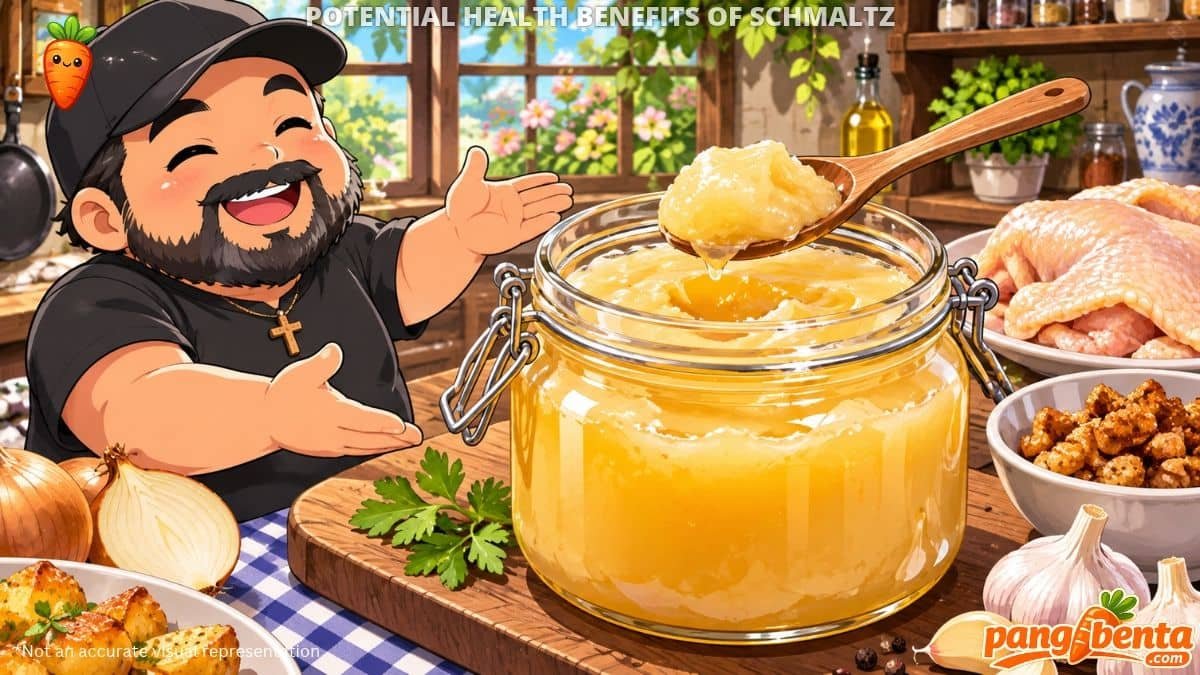
Schmaltz is rendered chicken fat that has been used for generations, particularly in Jewish and Central European cooking. Known for its rich, savory flavor, it’s commonly used to roast vegetables, sauté onions, and enhance traditional dishes.
But schmaltz offers more than flavor. It contains monounsaturated and polyunsaturated fatty acids, including oleic acid and linoleic acid, which contribute to several essential bodily functions.
So, does that make schmaltz a healthy cooking fat?
Not necessarily. While it has some favorable nutritional characteristics, it also contains saturated fat and is high in calories. Its effects on health depend largely on portion sizes, what other fats it replaces, and your overall eating habits.
We’ll explore the potential health benefits of schmaltz, its nutritional value, possible downsides, and how to enjoy it as part of a balanced diet.
Key Takeaways
- Rich in unsaturated fats: Schmaltz contains more unsaturated than saturated fat, including oleic acid and linoleic acid.
- Supplies essential fatty acids: Its omega-6 fatty acids contribute to normal cell function and other physiological processes.
- Supports vitamin absorption: Like other dietary fats, schmaltz helps the body absorb fat-soluble vitamins A, D, E, and K.
- Provides concentrated energy: One tablespoon contains approximately 115 calories, making portion control important.
- Suitable for low-carb diets: Pure schmaltz contains virtually no carbohydrates or sugar.
- Enhances food flavor: Its savory taste can make nutritious dishes more appealing.
- Best consumed in moderation: Despite its unsaturated fat content, schmaltz contains substantial saturated fat, making olive oil and other unsaturated plant oils preferable for everyday use.
What Is Schmaltz?
Schmaltz is a traditional cooking fat made by slowly heating chicken skin and fatty tissue until the fat melts and separates from the remaining solids.
The rendered fat is then strained and cooled, producing a soft, creamy cooking fat with a distinctive chicken flavor.
Although chicken schmaltz is the most familiar variety, traditional preparations can also use goose fat.
Schmaltz has been an important ingredient in Ashkenazi Jewish cuisine for centuries, serving as a flavorful alternative to butter and other animal fats. It’s particularly popular in dishes such as matzo balls, chopped liver, and roasted potatoes.
Unlike butter, which contains water and milk solids, properly rendered schmaltz consists almost entirely of fat.
Its nutritional composition depends on the poultry used and the rendering process, but chicken schmaltz generally contains a combination of saturated, monounsaturated, and polyunsaturated fatty acids.
📙 Potential Health Benefits of Duck Fat
Nutritional Value of Schmaltz
Before discussing its potential benefits, it’s helpful to understand what schmaltz contains.
According to USDA-derived nutritional data for chicken fat, one tablespoon provides approximately the following nutrients.
| Nutrient | Amount per tablespoon (12.8 g) |
| Calories | 115 kcal |
| Total fat | 12.8 g |
| Monounsaturated fat | 5.7 g |
| Polyunsaturated fat | 2.7 g |
| Saturated fat | 3.8 g |
| Cholesterol | 11 mg |
| Carbohydrates | 0 g |
| Protein | 0 g |
| Vitamin E | 0.35 mg |
These values are estimates for plain chicken fat and may vary with homemade preparations.
One interesting characteristic of schmaltz is that approximately two-thirds of its total fat consists of monounsaturated and polyunsaturated fatty acids.
This gives it a more favorable unsaturated-to-saturated fat ratio than butter or coconut oil.
However, schmaltz still contains considerably more saturated fat than olive oil or canola oil, which are generally better choices for cardiovascular health.
📙 Potential Health Benefits of Ghee
7 Potential Health Benefits of Schmaltz
1. Contains Monounsaturated Fats That Support Heart Health
One of schmaltz’s most notable nutritional characteristics is its relatively high monounsaturated fat content.
Among these fatty acids is oleic acid, the same monounsaturated fatty acid found abundantly in olive oil and avocados.
Monounsaturated fats can help lower LDL cholesterol, often called bad cholesterol, when they replace saturated fats in the diet.
Maintaining healthy LDL cholesterol levels is important because elevated LDL cholesterol contributes to plaque buildup in the arteries, increasing the risk of cardiovascular disease.
The American Heart Association recommends replacing saturated fats with monounsaturated and polyunsaturated fats to support cardiovascular health.
However, there’s an important distinction.
Although schmaltz contains oleic acid, it also contains significant saturated fat. Therefore, we shouldn’t assume it offers the same cardiovascular benefits as olive oil.
Schmaltz may have a more favorable fatty acid profile than butter, but choosing unsaturated vegetable oils remains a better strategy for improving heart health.
📙 Potential Health Benefits of Dandelion Jelly
2. Supplies Essential Fatty Acids
Schmaltz contains polyunsaturated fats, particularly linoleic acid, an essential omega-6 fatty acid.
Our bodies cannot produce linoleic acid, so we must obtain it through food.
This fatty acid contributes to maintaining healthy cell membranes, supporting normal growth, and producing molecules involved in cellular signaling.
Linoleic acid also plays a role in maintaining the skin’s protective barrier, helping reduce moisture loss and supporting normal skin function.
Some people worry that omega-6 fatty acids automatically promote inflammation. However, research does not support the idea that consuming ordinary dietary amounts of linoleic acid necessarily increases systemic inflammation.
Nevertheless, schmaltz is not the most nutritious source of essential fatty acids.
Nuts, seeds, and various plant oils provide linoleic acid alongside other valuable nutrients. Including a variety of these foods offers a more balanced approach to meeting your essential fat requirements.
📙 Potential Health Benefits of Lard
3. Helps the Body Absorb Fat-Soluble Vitamins
Did you know that certain vitamins are absorbed more efficiently when eaten with dietary fat?
Vitamins A, D, E, and K are fat-soluble, meaning their absorption depends partly on the presence of fat during digestion.
These vitamins perform several important functions:
- Vitamin A: Supports normal vision, immune function, and cell growth.
- Vitamin D: Helps maintain healthy bones and supports calcium absorption.
- Vitamin E: Functions as an antioxidant that helps protect cells from oxidative damage.
- Vitamin K: Contributes to normal blood clotting and bone health.
Adding a small amount of schmaltz to vegetables containing fat-soluble nutrients can help your body absorb those nutrients.
For example, using schmaltz to roast carrots or sauté leafy greens provides dietary fat that can assist with absorbing carotenoids and other fat-soluble compounds.
Of course, this isn’t a unique property of schmaltz. Olive oil, avocado oil, and other dietary fats provide similar benefits.
Still, it’s one way schmaltz can contribute to a nutritious meal when used in reasonable amounts.
📙 Potential Health Benefits of Lupin Flour
4. Provides a Concentrated Source of Energy
Dietary fat is an essential macronutrient that provides approximately nine calories per gram.
Because schmaltz consists almost entirely of fat, it delivers a concentrated source of energy.
The body uses dietary fat to help meet energy needs, maintain cell structures, and support various physiological functions.
For individuals with increased calorie requirements, energy-dense foods can help meet daily nutritional needs without requiring large portions.
However, this same characteristic can become a disadvantage when calorie intake consistently exceeds energy expenditure.
One tablespoon of schmaltz contains approximately 115 calories. Using three tablespoons adds around 345 calories to a dish, even before considering the other ingredients.
If you’re trying to lose weight or maintain a healthy weight, measuring your cooking fat instead of pouring it freely can help control your calorie intake.
📙 Potential Health Benefits of Peasemeal
5. Fits Into Low-Carbohydrate and Ketogenic Diets
Schmaltz is naturally free of carbohydrates and sugar when prepared without carbohydrate-containing additions.
This makes it compatible with low-carbohydrate and ketogenic eating patterns.
For individuals restricting carbohydrate intake, schmaltz can be used to prepare dishes such as roasted cauliflower, sautéed mushrooms, scrambled eggs, and other low-carb meals.
Because it contains virtually no carbohydrates, schmaltz itself does not directly raise blood glucose levels through carbohydrate intake.
However, being carbohydrate-free doesn’t automatically make a cooking fat beneficial for metabolic health.
The amount and quality of dietary fat still matter, particularly for individuals with insulin resistance, elevated cholesterol, or cardiovascular risk factors.
If you follow a low-carbohydrate diet, schmaltz can add variety to your cooking, but it’s sensible to obtain most of your dietary fat from sources rich in unsaturated fatty acids.
📙 Potential Health Benefits of Soy Flour
6. Makes Nutritious Foods More Flavorful and Satisfying
One of schmaltz’s greatest advantages may have more to do with cooking than nutrition.
Its distinctive savory flavor can enhance simple dishes without requiring complicated seasonings.
For example, roasting Brussels sprouts, carrots, or cauliflower with a small amount of schmaltz can produce a rich, satisfying taste.
This may encourage people who aren’t particularly fond of vegetables to include them more frequently in their meals.
Dietary fat also contributes to the texture and mouthfeel of food, making meals more enjoyable.
Although these effects aren’t medical benefits, they can support healthy eating habits by making nutrient-rich foods more appealing.
The key is to use enough schmaltz to enhance flavor without overwhelming the meal with unnecessary calories or saturated fat.
📙 Potential Health Benefits of Chocolate Chip Cookies
7. Contributes Small Amounts of Vitamin E
Schmaltz provides a modest amount of vitamin E, an essential fat-soluble nutrient.
Vitamin E functions as an antioxidant, helping protect cell membranes against oxidative damage caused by free radicals.
It also supports normal immune function and participates in cellular processes.
According to USDA-derived data, one tablespoon of chicken fat contains approximately 0.35 milligrams of vitamin E.
For comparison, the recommended dietary allowance for most adults is 15 milligrams daily.
This means a tablespoon of schmaltz supplies only about 2% of the recommended daily amount.
Therefore, while schmaltz contributes a little vitamin E, it shouldn’t be considered an important antioxidant source.
Almonds, sunflower seeds, and certain vegetable oils are significantly richer sources of this nutrient.
📙 Possible Wellness Benefits of Different Foods
Is Schmaltz Healthier Than Butter or Olive Oil?
Whether schmaltz is a healthier option depends largely on what you’re comparing it with.
Different cooking fats contain varying proportions of saturated, monounsaturated, and polyunsaturated fats.
| Cooking fat | Predominant fat characteristics | General health consideration |
| Schmaltz | Mostly unsaturated fat, with substantial saturated fat | Best used moderately for flavor |
| Butter | Higher proportion of saturated fat | Limit frequent or excessive use |
| Olive oil | Rich in monounsaturated fat | Preferred for heart-healthy cooking |
| Avocado oil | Rich in monounsaturated fat | Suitable for regular use |
| Coconut oil | Predominantly saturated fat | Best used sparingly |
Schmaltz generally contains less saturated fat than butter and coconut oil, making its fatty acid composition comparatively more favorable.
However, olive oil and avocado oil contain higher proportions of unsaturated fatty acids and generally less saturated fat.
For cardiovascular health, the American Heart Association recommends choosing unsaturated vegetable oils over cooking fats containing larger amounts of saturated fat.
This doesn’t mean you must completely eliminate schmaltz.
Instead, you can reserve it for dishes where its distinctive flavor is particularly enjoyable while relying primarily on unsaturated plant oils for everyday cooking.
Potential Risks and Downsides of Schmaltz
Although schmaltz has some nutritional advantages over certain animal fats, it also comes with considerations worth understanding.
1. Contains Significant Saturated Fat
One tablespoon of schmaltz provides approximately 3.8 grams of saturated fat.
Consuming excessive saturated fat can increase LDL cholesterol, particularly when it replaces healthier unsaturated fats.
The American Heart Association recommends keeping saturated fat below 6% of total daily calories.
For someone eating approximately 2,000 calories daily, that translates to about 13 grams or less of saturated fat.
Three tablespoons of schmaltz would provide approximately 11.4 grams, approaching that daily limit without accounting for saturated fat from other foods.
2. High in Calories
Schmaltz is extremely calorie-dense, providing around 115 calories per tablespoon.
Regularly consuming large amounts can increase total calorie intake and potentially contribute to unwanted weight gain.
Portion control is especially important if you’re managing your weight.
3. Contains Dietary Cholesterol
Schmaltz contains approximately 11 milligrams of cholesterol per tablespoon.
Dietary cholesterol affects blood cholesterol differently among individuals, and saturated fat generally has a greater influence on LDL cholesterol levels.
Nevertheless, people with high cholesterol, cardiovascular disease, or certain inherited lipid disorders should be mindful of their overall dietary fat choices.
4. Offers Limited Vitamins and Minerals
Schmaltz supplies fat and energy but virtually no protein, fiber, or essential minerals.
It also contains only small quantities of vitamins.
Although it can complement a nutritious meal, schmaltz shouldn’t be considered a nutrient-dense food or a replacement for whole foods such as vegetables, fruits, legumes, nuts, and fish.
How to Use Schmaltz in a Healthy Diet
If you enjoy the rich taste of schmaltz, you can incorporate it into your meals without making it your primary source of cooking fat.
Here are a few practical ideas:
- Roast vegetables: Use a small amount to enhance the flavor of carrots, cauliflower, Brussels sprouts, or potatoes.
- Sauté onions and mushrooms: A teaspoon or two can add savory richness.
- Enhance soups: Stir a small amount into vegetable-based soups to add flavor and texture.
- Prepare traditional recipes: Enjoy schmaltz in matzo balls, roasted potatoes, or other traditional dishes occasionally.
- Pair it with nutritious ingredients: Combine schmaltz-based dishes with vegetables, whole grains, and lean protein sources.
For everyday portion control, using one or two teaspoons per serving may be a reasonable starting point, depending on your overall dietary needs.
It’s also important to avoid overheating schmaltz until it smokes. Excessive heat and repeated frying can degrade cooking fats and produce undesirable compounds.
Can You Eat Schmaltz Every Day?
Small amounts of schmaltz can fit into a balanced diet, even when consumed regularly.
However, I wouldn’t recommend making it your main everyday cooking fat.
Although most of its fat is unsaturated, schmaltz still contains enough saturated fat to warrant moderation.
If you’re concerned about cardiovascular health, prioritizing olive oil, canola oil, and other unsaturated plant oils is a more evidence-based approach.
You can still enjoy schmaltz occasionally, particularly when its flavor adds something special to a dish.
What ultimately matters is your overall dietary pattern, the quantity you consume, and which foods and fats you’re replacing.
Frequently Asked Questions (FAQ)
1. Is schmaltz actually healthy?
Schmaltz contains monounsaturated and polyunsaturated fats that serve important biological functions. However, it also contains saturated fat and is calorie-dense. It can fit into a balanced diet when consumed moderately, but there is insufficient clinical evidence that eating schmaltz directly improves health outcomes.
2. Is schmaltz healthier than butter?
Schmaltz generally contains a higher proportion of unsaturated fat and less saturated fat than butter. This gives it a more favorable fatty acid profile, although unsaturated vegetable oils remain preferable for everyday heart-healthy cooking.
3. Does schmaltz raise cholesterol levels?
Schmaltz contains saturated fat, which can contribute to higher LDL cholesterol levels. Its effect depends on the quantity consumed, individual metabolic factors, and the types of fat it replaces in your diet.
4. Is schmaltz anti-inflammatory?
There isn’t sufficient scientific evidence to establish that schmaltz has anti-inflammatory effects in humans. Although it contains fatty acids involved in normal cellular functions, consuming schmaltz has not been shown to treat inflammation or inflammatory diseases.
5. Can schmaltz help with weight loss?
Schmaltz doesn’t directly promote weight loss. Since it contains approximately 115 calories per tablespoon, excessive consumption can make calorie management more difficult. However, small amounts can fit into a calorie-controlled diet.
6. Is schmaltz suitable for a ketogenic diet?
Yes. Pure schmaltz contains virtually no carbohydrates, making it compatible with ketogenic diets. However, individuals following these diets should still consider saturated fat intake and cardiovascular health.
7. Does schmaltz contain omega-3 fatty acids?
Chicken fat contains small amounts of omega-3 fatty acids, particularly alpha-linolenic acid. However, it is not a significant omega-3 source compared with fatty fish, walnuts, flaxseeds, and chia seeds.
8. Is schmaltz safe for people with gout?
Pure, well-strained schmaltz contains negligible purines, unlike chicken meat and organ meats. Therefore, it is not generally considered a major dietary purine source. However, there is no evidence that schmaltz lowers uric acid levels or prevents gout attacks. Individuals with gout should still consider portion sizes and their overall metabolic and cardiovascular health.
9. Can you use schmaltz for frying?
Yes. Schmaltz can be used for sautéing, roasting, and moderate-temperature shallow frying. However, avoid overheating it until it smokes or repeatedly reusing the same fat, as excessive heat can promote oxidation and deterioration.
10. How should homemade schmaltz be stored?
Homemade schmaltz should be strained into a clean, food-safe container, cooled safely, and refrigerated promptly. Freezing is an option for longer storage. Use clean utensils to prevent contamination, and discard the fat if it develops an unpleasant odor, visible spoilage, or signs of rancidity.
Final Thoughts: Is Schmaltz Worth Including in Your Diet?
Schmaltz is a traditional cooking fat with a distinctive flavor and an interesting nutritional composition.
Unlike some animal fats that are predominantly saturated, schmaltz contains a greater proportion of monounsaturated and polyunsaturated fatty acids.
These fats participate in important bodily functions, including maintaining cell membranes and supplying essential fatty acids. Like other dietary fats, schmaltz also provides energy and helps the body absorb fat-soluble nutrients.
However, it’s important to distinguish these established functions of dietary fat from health benefits specifically proven for schmaltz.
There is currently insufficient direct clinical evidence that consuming schmaltz prevents disease, reduces inflammation, or improves cardiovascular outcomes.
My recommendation is to appreciate schmaltz for what it does best: adding rich, savory flavor to food.
Enjoy it in reasonable amounts, particularly in dishes where its distinctive taste makes a difference. For everyday cooking, continue prioritizing unsaturated plant oils and a balanced diet rich in whole, nutrient-dense foods.
Ultimately, schmaltz doesn’t have to be labeled either a superfood or an unhealthy ingredient. It’s simply a traditional cooking fat that can have a place in a healthy diet when used thoughtfully and in moderation.
Content Disclaimer
This article is intended for general informational and educational purposes only and does not constitute medical advice, diagnosis, or treatment. The nutritional characteristics of schmaltz should not be interpreted as proof that consuming it prevents or treats any disease.
Individuals with high cholesterol, cardiovascular disease, gout, obesity, or other medical conditions should consult a qualified healthcare professional or registered dietitian before making significant dietary changes. Nutritional values may vary depending on the source and preparation of the fat. Always consider your individual health needs, dietary requirements, and overall eating habits when selecting cooking fats.