

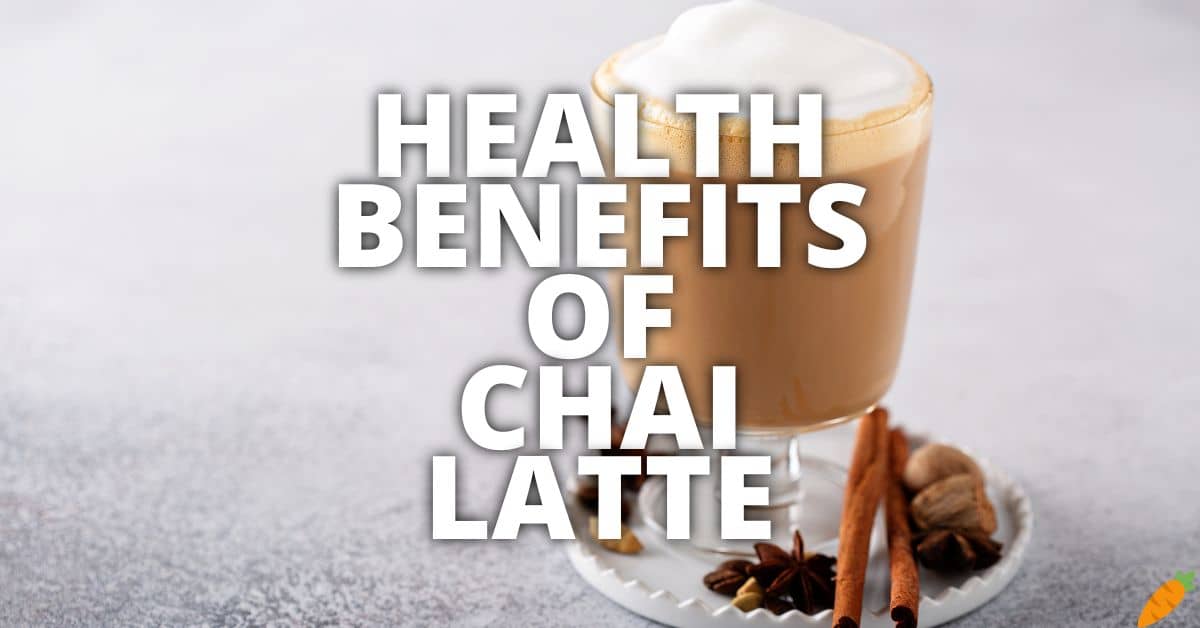
There’s something comforting about a warm, aromatic chai latte. With its combination of black tea, milk, and fragrant spices such as ginger, cinnamon, cardamom, and cloves, it’s easy to see why this drink has become popular around the world.
But beyond its flavor, is chai latte actually good for you?
Potentially, but there are some important qualifications.
Most research hasn’t studied chai latte as a complete beverage. Instead, scientists have investigated its individual ingredients, including black tea, ginger, cinnamon, cloves, and cardamom. And while these ingredients contain beneficial compounds, the amounts found in a typical cup of chai may be considerably smaller than those used in clinical studies.
How your chai is prepared matters, too. A homemade chai made from brewed black tea, spices, milk, and little or no added sugar can have a very different nutritional profile from a large café chai latte made with a heavily sweetened concentrate or syrup.
With that distinction in mind, let’s explore what the research suggests about the potential health benefits of chai latte.
Key Takeaways
- Chai contains several sources of antioxidants. Black tea and spices such as cinnamon, ginger, cloves, and cardamom contain polyphenols and other bioactive plant compounds.
- Ginger may support digestion. It has particularly good evidence for helping with certain types of nausea.
- Some chai spices have anti-inflammatory properties, although much of the evidence comes from studies using individual spices or concentrated extracts rather than chai itself.
- Black tea provides caffeine and L-theanine, a combination that may support alertness and attention.
- Cinnamon and ginger have been studied for metabolic and cardiovascular health, but results are mixed, and the amounts used in studies may be greater than what you get from a cup of chai.
- Added sugar matters. A heavily sweetened chai latte may contain enough added sugar and calories to offset some of the drink’s potential nutritional advantages.
- Preparation makes a difference. A lightly sweetened chai made with brewed tea, spices, and nutritious milk or fortified plant milk is generally a better everyday choice than highly sweetened café versions.
What Is a Chai Latte?
A chai latte is a beverage inspired by masala chai, a traditional spiced tea from the Indian subcontinent.
Recipes vary considerably, but masala chai typically combines black tea with milk and aromatic spices. Common additions include:
- Ginger
- Cardamom
- Cinnamon
- Cloves
- Black pepper
Other spices, such as star anise, fennel, or nutmeg, may also be included.
A chai latte usually contains a relatively large proportion of milk, which accounts for the “latte” part of its name. Depending on the recipe, it may be sweetened with sugar, honey, syrup, or a commercially prepared chai concentrate.
You can enjoy it hot or iced.
One important thing to remember throughout this article is that chai latte doesn’t have one standard nutritional profile. The type and quantity of tea, spices, milk, and sweetener can dramatically change what’s in your cup.
📙 Potential Health Benefits of Cappuccino
1. Provides Antioxidant Plant Compounds
One of the more convincing nutritional advantages of chai comes from its abundance of plant-based ingredients.
Black tea contains polyphenols, including compounds known as theaflavins and thearubigins. These substances have antioxidant activity and can help protect cells against oxidative stress caused by free radicals.
The spices in chai provide additional plant compounds.
Ginger contains gingerols and shogaols, while cinnamon provides cinnamaldehyde and various polyphenols. Cloves are particularly rich in the phenolic compound eugenol, and cardamom contains several potentially beneficial phytochemicals.
That means you’re getting bioactive compounds from several different plant sources in one beverage.
However, it’s important not to equate “contains antioxidants” with “prevents disease.”
Antioxidant-rich foods and beverages can certainly be part of a nutritious diet, but drinking chai hasn’t been demonstrated to prevent conditions such as cancer or cardiovascular disease.
Think of chai as one possible source of beneficial plant compounds within an overall healthy diet, rather than a drink that protects you from specific diseases.
📙 Potential Health Benefits of Camote Tops Juice
2. May Support Digestion and Help With Nausea
Ginger is one of chai’s most interesting ingredients when it comes to digestive health.
It has a long history of use for digestive complaints, and modern research has provided evidence for some of these traditional uses.
Ginger contains compounds including gingerols and shogaols that appear to influence gastrointestinal function. Research suggests ginger may help with certain types of nausea, including nausea associated with pregnancy and some medical procedures.
There is also evidence that ginger can influence gastric motility, the movement of food through the stomach, which could help explain some of its digestive effects.
Black pepper is another traditional chai ingredient. Its primary active compound, piperine, can influence the absorption and metabolism of certain compounds.
Cardamom has also traditionally been used as a digestive spice.
However, we should keep the amounts in perspective. A chai latte normally contains relatively small quantities of these spices, so we can’t assume it will have the same effects seen in studies using larger or concentrated doses.
Still, a ginger-rich chai may be a pleasant addition to your diet if you enjoy it after meals.
📙 Potential Health Benefits of Blueberry Wine
3. May Help With Gas and Bloating
Bloating is closely related to digestion, but chai’s traditional spice combination makes it worth mentioning specifically.
Ginger may promote gastrointestinal motility, potentially helping food move through the digestive tract more efficiently.
Cardamom has traditionally been described as a carminative, meaning a substance used to help relieve intestinal gas and digestive discomfort.
The warming drink itself may also feel soothing after a meal.
Evidence specifically showing that chai latte reduces bloating is limited, however. If you frequently experience significant or persistent bloating, it’s better to identify its underlying cause rather than rely on chai or another beverage as a treatment.
And keep in mind that chai can have the opposite effect for some people. For example, milk-based chai may cause digestive discomfort in people who have difficulty digesting lactose.
📙 Potential Health Benefits of Blue Tea
4. Contains Compounds With Anti-Inflammatory Activity
Several spices commonly used in chai contain compounds that researchers have investigated for their anti-inflammatory properties.
Ginger contains gingerols and shogaols, while cinnamon contains cinnamaldehyde and numerous polyphenols. These compounds can influence biological pathways involved in inflammation.
Some human studies of ginger and cinnamon supplementation have also reported improvements in certain markers of inflammation.
That sounds promising, but there’s an important distinction.
Evidence that an individual spice has anti-inflammatory effects doesn’t automatically mean that drinking a chai latte will significantly reduce inflammation.
Many studies use standardized supplements or substantially larger amounts of spices than you would normally find in a cup of chai.
So rather than thinking of chai as an anti-inflammatory treatment, consider its spices another way to incorporate potentially beneficial plant foods into your diet.
📙 Potential Health Benefits of Blackberry Wine
5. May Support Alertness and Attention
If you’ve ever felt a little more alert after drinking chai, there’s a good reason.
Black tea naturally contains caffeine.
Caffeine stimulates the central nervous system and can temporarily improve alertness, attention, and reaction time.
Tea also contains an amino acid called L-theanine.
Researchers have been particularly interested in what happens when caffeine and L-theanine are consumed together. Studies suggest the combination may produce modest improvements in certain measures of attention and cognitive performance.
This combination is one of the characteristics that distinguishes tea from many other caffeinated beverages.
However, the amounts of both compounds can vary substantially depending on the tea, how much is used, and how long it’s brewed.
Chai shouldn’t be considered a cognitive enhancer, but its tea content may provide a gentle boost in alertness for some people.
📙 Potential Health Benefits of Bissy Tea
6. May Have Cardiovascular Benefits
Several ingredients in chai have been investigated in relation to cardiovascular health.
Black tea has perhaps the strongest relevance here. Observational studies and clinical research have examined tea consumption in relation to blood pressure, cholesterol, blood vessel function, and cardiovascular disease risk.
Cinnamon has also attracted considerable attention.
Some studies and meta-analyses of cinnamon supplementation have reported reductions in blood pressure, triglycerides, total cholesterol, or LDL (“bad”) cholesterol.
However, the findings aren’t entirely consistent.
The biggest issue when applying these results to chai is dose. Clinical studies may use cinnamon supplements containing much more cinnamon than you would consume in one cup of chai.
Therefore, while drinking unsweetened or lightly sweetened tea can fit comfortably into a heart-healthy diet, we shouldn’t assume that the cinnamon in a chai latte will lower cholesterol or blood pressure.
The overall dietary pattern matters much more.
📙 Potential Health Benefits of Birch Bark Tea
7. May Have Effects on Blood Sugar Regulation
Cinnamon and ginger have both been studied for their possible effects on glucose metabolism.
Some research suggests cinnamon may influence insulin sensitivity and fasting blood glucose, particularly among people with type 2 diabetes. Ginger supplementation has also produced interesting results in some studies of metabolic health.
But research findings are mixed, and neither spice should be considered a treatment for diabetes.
There’s another important consideration that is particularly relevant to chai latte:
the sugar in the drink itself.
Some commercially prepared chai lattes are made using sweetened concentrates or syrups. Depending on the recipe and serving size, the resulting drink can contain a considerable amount of added sugar.
That creates an obvious contradiction if you’re drinking chai specifically for blood sugar benefits.
If blood glucose management is important to you, consider preparing chai with brewed tea and whole spices and using little or no added sugar. When ordering one from a café, you can also check the nutrition information or ask whether the sweetness can be reduced.
📙 Potential Health Benefits of Different Drinks
8. Can Fit Into a Weight-Management Diet
You may encounter claims that cinnamon, ginger, or chai “boosts metabolism” or burns fat.
I’d be cautious with those claims.
Researchers have investigated cinnamon and ginger supplementation in relation to body weight, appetite, insulin sensitivity, and metabolic health. Some studies have reported modest effects, but the evidence isn’t strong enough to conclude that drinking chai latte causes meaningful weight loss.
What matters more is what your chai replaces and how it’s prepared.
A homemade chai made with brewed tea, spices, milk, and minimal added sugar can fit comfortably into a weight-management diet.
A large café chai containing generous amounts of sweetened concentrate, syrup, or other additions can be a very different beverage.
If you’re watching your calorie intake, you don’t necessarily have to give up chai. Instead, consider:
- Choosing a smaller serving
- Requesting less sweetener
- Making chai from brewed tea and spices
- Using unsweetened milk or plant milk
- Avoiding extra syrups and toppings
Ultimately, no individual spice or beverage replaces the fundamentals of weight management: an appropriate overall calorie intake, a nutritious diet, adequate sleep, and regular physical activity.
9. May Contribute to Bone Health
Tea and bone health have an interesting relationship.
Observational research has sometimes associated tea consumption with higher bone mineral density, particularly in certain populations. Tea contains flavonoids and other plant compounds that researchers believe could potentially influence bone metabolism.
However, these associations don’t prove that tea itself strengthens bones.
A chai latte may offer a more straightforward bone-health advantage through its milk.
Dairy milk is naturally a good source of calcium and provides protein and other nutrients. Depending on where you live, it may also be fortified with vitamin D.
Many plant milks are fortified with calcium, vitamin D, vitamin B12, and other nutrients as well, although their nutritional profiles vary considerably.
If bone health is your priority, check the nutrition label of your chosen milk rather than relying on the tea or spices alone.
10. Can Provide Useful Nutrients
One benefit of chai latte that is sometimes overlooked is simply the nutrition supplied by its milk.
Depending on what you use, a chai latte can provide:
- Protein
- Calcium
- Vitamin B12
- Vitamin D
- Phosphorus
- Potassium
Dairy milk naturally provides several of these nutrients.
Fortified soy milk can also provide substantial protein and micronutrients, while other plant milks vary widely. Some contain very little protein, and not every product is fortified.
This is another reason why two chai lattes that look almost identical can have very different nutritional profiles.
If nutrition matters to you, take a quick look at the ingredient list and nutrition label of your milk or plant-based alternative.
What About the Immune System?
You’ll often see chai described online as an “immune-boosting” drink because spices such as cloves, cinnamon, ginger, and cardamom demonstrate antimicrobial, antioxidant, or anti-inflammatory activity in laboratory studies.
That’s an interesting area of research, but “boosts immunity” is too strong a claim for chai latte.
For example, eugenol from cloves has demonstrated antimicrobial activity under laboratory conditions. That doesn’t mean drinking a cup of chai will prevent a cold or flu.
Your immune system depends on many factors, including adequate nutrition, sleep, physical activity, vaccination where appropriate, and overall health.
Chai can certainly contribute plant compounds to your diet, but it shouldn’t be viewed as protection against infectious illness.
Is Chai Latte Good Before Bed?
A warm chai can certainly feel relaxing in the evening. Its aroma, warmth, and familiar flavors may make it a comforting bedtime ritual.
But traditional chai made with black tea contains caffeine.
Although a serving will often contain less caffeine than a comparable serving of coffee, the exact amount varies. People who are particularly sensitive to caffeine may experience poorer sleep even when consuming relatively modest amounts later in the day.
For that reason, I wouldn’t describe regular chai latte as a sleep-promoting beverage.
If you love the flavors of chai at night, consider making a caffeine-free version using rooibos or another caffeine-free base, or choose decaffeinated black tea.
You’ll still get the warming spices without as much concern about caffeine interfering with your sleep.
How to Make Your Chai Latte Healthier
If you enjoy chai, you don’t need to turn it into a complicated health drink.
A few simple choices can make a significant difference.
Start with actual brewed tea and spices when possible. Ginger, cinnamon sticks, cardamom pods, cloves, and black pepper can produce plenty of flavor without requiring large amounts of sugar.
Keep added sweeteners modest. If you’re accustomed to very sweet chai, gradually reducing the amount can help your palate adjust.
Choose milk according to your nutritional needs. Dairy or fortified soy milk can provide protein and calcium, while other fortified plant milks may also be suitable.
And don’t assume that “chai” automatically means healthy. If you’re buying a prepared beverage, check its serving size, calories, and added sugar when that information is available.
The Bottom Line
Chai latte can be a flavorful way to enjoy black tea, milk, and an assortment of aromatic spices.
Black tea provides polyphenols, caffeine, and L-theanine, while ginger, cinnamon, cardamom, and cloves contain numerous bioactive plant compounds. Research on these individual ingredients suggests possible benefits involving digestion, antioxidant activity, inflammation, attention, and metabolic and cardiovascular health.
However, there’s an important limitation to keep in mind: most of these studies investigated individual ingredients, extracts, or supplements, not chai latte itself.
The amount of a particular spice in an ordinary cup may also be considerably lower than the doses used in clinical research.
And perhaps most importantly, preparation matters.
A lightly sweetened chai made from brewed black tea, spices, and nutritious milk can be a reasonable addition to a balanced diet. A large chai latte made with a heavily sweetened concentrate may contain enough added sugar and calories to change that nutritional picture substantially.
So enjoy chai for what it is first: a delicious, aromatic beverage with several potentially beneficial ingredients.
Any health benefits are a bonus, not a reason to treat it as medicine.
Frequently Asked Questions
1. Is chai latte healthy?
It can be. A chai latte made with brewed black tea, spices, milk, and little added sugar can provide antioxidants and useful nutrients. However, highly sweetened versions may contain considerable amounts of added sugar and calories.
2. Is chai latte healthier than coffee?
Neither drink is inherently healthier.
Plain coffee and unsweetened tea are both low-calorie beverages containing beneficial plant compounds. Once milk, sugar, syrups, or other ingredients are added, their nutritional profiles change considerably.
The healthier choice depends primarily on how each beverage is prepared and your individual needs.
3. Does chai latte contain caffeine?
Usually, yes.
Traditional chai typically uses black tea, which naturally contains caffeine. The amount depends on the type and quantity of tea, brewing time, and serving size.
Caffeine-free chai can be made using rooibos or other caffeine-free herbal bases, while decaffeinated black tea is another option.
4. Is chai latte good for weight loss?
Chai latte hasn’t been proven to cause weight loss.
A lightly sweetened chai can fit into a weight-management diet, but heavily sweetened café versions can add significant calories. Your overall diet and energy intake are much more important for weight management than any individual spice or beverage.
5. Can chai latte help lower blood sugar?
Cinnamon and ginger have been investigated for their potential effects on blood glucose and insulin sensitivity, but results are mixed.
Importantly, some chai lattes contain substantial amounts of added sugar. People managing diabetes or blood glucose should consider the entire drink rather than assuming the spices make it beneficial.
Chai should not be used as a substitute for prescribed diabetes treatment.
6. Is chai latte anti-inflammatory?
Some ingredients commonly used in chai, including ginger and cinnamon, contain compounds with anti-inflammatory activity.
However, much of the research involves individual spices, extracts, or supplements. It hasn’t been established that drinking a typical chai latte produces a clinically meaningful anti-inflammatory effect.
7. Is chai latte good for digestion?
It may be helpful for some people.
Ginger has evidence supporting its use for certain types of nausea and may influence gastrointestinal motility. Cardamom has also traditionally been used for digestive discomfort.
However, individual responses vary, and milk-containing chai could cause bloating or discomfort in people who have difficulty digesting lactose.
8. Can I drink chai latte every day?
For most healthy adults, moderate consumption can fit into a balanced diet.
Pay attention to the amount of caffeine and added sugar you’re consuming, particularly if you drink multiple servings per day. Individual medical conditions and medications can also affect what is appropriate for you.
9. Is chai latte good before bed?
Traditional chai isn’t necessarily the best bedtime beverage because black tea contains caffeine.
If you enjoy chai in the evening, a caffeine-free rooibos chai or decaffeinated version may be a better option, particularly if you’re sensitive to caffeine.
10. Is homemade chai healthier than café chai latte?
It often can be because you control the ingredients.
Making chai at home allows you to adjust the amount of tea, spices, milk, and sweetener. Café versions vary considerably, so checking nutrition information when available can help you make an informed choice.
Safety Considerations
Chai latte is generally a food and beverage rather than a treatment, but there are still a few considerations worth keeping in mind.
Caffeine: Black tea contains caffeine. People who are caffeine-sensitive, pregnant, breastfeeding, have certain medical conditions, or take medications affected by caffeine may need to limit their intake.
Added sugar: Some commercially prepared chai drinks contain substantial amounts of added sugar. This is particularly relevant for people managing diabetes, blood glucose, calorie intake, or dental health.
Cinnamon: Ordinary culinary amounts are generally very different from taking concentrated cinnamon supplements. Cassia cinnamon can contain relatively high amounts of coumarin, and excessive long-term intake may be a concern, particularly for people with liver problems.
Ginger and other spices: Culinary quantities are generally well tolerated, but concentrated supplements can have different effects and may interact with certain medications.
Milk and allergens: Dairy-based chai contains milk, while plant-based versions may contain soy, tree nuts, or other allergens depending on the product.
If you have a medical condition, are pregnant or breastfeeding, take prescription medications, or intend to consume concentrated spice extracts or supplements, discuss them with an appropriate healthcare professional.
Content Disclaimer
This article is provided for general informational and educational purposes only and is not intended to provide medical advice, diagnosis, or treatment.
Research into tea, spices, nutrition, and their potential health effects continues to evolve. Many of the potential benefits discussed in this article are based on studies of individual ingredients, extracts, or supplements rather than chai latte itself. Results from such studies cannot necessarily be applied to the smaller amounts typically consumed in food and beverages.
Individual nutritional needs and responses can also vary according to factors such as age, health status, medications, pregnancy, allergies, and overall dietary patterns.
Do not use information in this article as a substitute for individualized advice from a physician, registered dietitian, pharmacist, or other qualified healthcare professional. If you have questions about whether chai latte or any of its ingredients are appropriate for you, consult an appropriate healthcare professional.