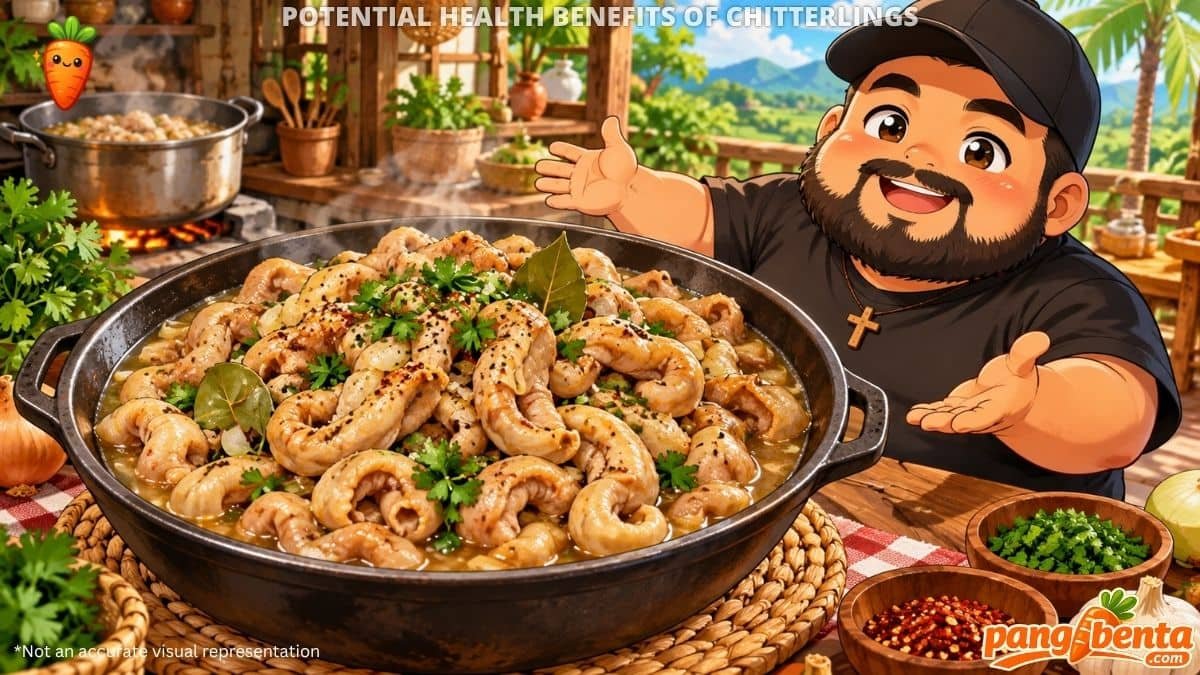
Chitterlings, also known as chitlins, are a traditional food enjoyed in different parts of the world. Made from the intestines of pigs, they’re especially popular in Southern American cooking and various Asian cuisines, where they’re commonly boiled, stewed, grilled, or fried.
Although chitterlings are often appreciated for their distinctive flavor and cultural significance, they also provide several nutrients that support normal bodily functions.
They contain protein, vitamin B12, selenium, and other minerals that contribute to muscle maintenance, nerve function, and overall health.
However, chitterlings also contain substantial amounts of saturated fat and cholesterol. Additionally, improper preparation can expose people to harmful bacteria.
So, are chitterlings actually good for your health?
I’ll explore the potential health benefits of chitterlings, their nutritional value, possible health risks, and how to prepare them safely.
Key Takeaways
- Provide protein: Chitterlings contain protein that helps maintain muscles, repair tissues, and support normal bodily functions.
- Contain essential nutrients: They supply vitamin B12, selenium, iron, and phosphorus, although some are present in relatively modest amounts.
- Support normal nerve function: Their vitamin B12 content contributes to maintaining healthy nerves and red blood cells.
- Contribute to antioxidant defenses: Selenium supports enzymes that help protect cells from oxidative damage.
- High in saturated fat and cholesterol: Frequent consumption may not be ideal for individuals managing high cholesterol or cardiovascular risk.
- Require careful preparation: Raw chitterlings can carry harmful bacteria, making proper handling and thorough cooking essential.
- Best enjoyed in moderation: Chitterlings can fit into a balanced diet, but leaner protein sources are generally better choices for regular consumption.
What Are Chitterlings?
Chitterlings are prepared from the cleaned intestines of pigs, traditionally including the large intestine. They’re classified as offal, a term referring to edible internal organs and other animal parts.
They have a distinctive flavor and chewy texture, which can become tender when cooked slowly.
In Southern American cuisine, chitterlings are often simmered with onions, garlic, vinegar, and seasonings. In some Asian cuisines, pork intestines are grilled, stir-fried, or incorporated into soups and stews.
While they’re primarily enjoyed as a traditional dish, chitterlings also contain nutrients that can contribute to a healthy diet.
📙 Potential Health Benefits of Cecina
Nutritional Value of Chitterlings
Understanding the nutritional composition of chitterlings can help you decide how they fit into your diet.
According to USDA food composition data, cooked pork chitterlings provide protein, fat, vitamin B12, selenium, and several minerals.
Here’s what approximately 100 grams of plain, simmered pork chitterlings contain:
| Nutrient | Amount per 100 g |
| Calories | 233 kcal |
| Protein | 12.5 g |
| Total fat | 20.3 g |
| Saturated fat | 9.5 g |
| Cholesterol | 277 mg |
| Carbohydrates | 0 g |
| Iron | 1.47 mg |
| Phosphorus | 66 mg |
| Calcium | 25 mg |
| Vitamin B12 | 0.42 mcg |
These values are based on USDA data for cooked, simmered chitterlings. Actual nutritional content can vary depending on the cut, cooking method, and added ingredients.
One important observation is that chitterlings contain more fat than protein by weight. This makes them a relatively calorie-dense food compared with many lean protein sources.
📙 Potential Health Benefits of Chicken Skin
7 Potential Health Benefits of Chitterlings
1. Provide Protein for Muscle Maintenance and Repair
One of the nutritional advantages of chitterlings is their protein content.
Protein plays an essential role in maintaining muscle mass, repairing damaged tissues, and producing enzymes and hormones.
As we age, getting enough dietary protein becomes increasingly important because muscle mass and strength naturally tend to decline.
Eating protein-containing foods such as chitterlings can contribute to:
- Maintaining muscle mass and strength.
- Supporting tissue repair and recovery.
- Producing enzymes and hormones.
- Maintaining normal immune function.
However, chitterlings aren’t necessarily the best protein source for everyone.
A 100-gram serving provides approximately 12.5 grams of protein alongside about 20 grams of fat.
If your goal is to increase protein intake while limiting saturated fat, lean chicken, fish, beans, and other lower-fat protein sources may be more suitable.
📙 Potential Health Benefits of Carne Seca
2. Support Red Blood Cell Formation
Chitterlings contain vitamin B12, an essential nutrient involved in producing healthy red blood cells.
Red blood cells carry oxygen from the lungs to tissues throughout the body.
Without enough vitamin B12, the body may produce abnormally large red blood cells that don’t function properly, potentially leading to megaloblastic anemia.
Symptoms of vitamin B12 deficiency can include fatigue, weakness, and neurological problems.
Including foods that provide vitamin B12 can help support normal red blood cell production and prevent deficiency.
However, chitterlings contain only a modest amount of this vitamin. They’re not as concentrated a source as foods such as beef liver, clams, or certain fish.
📙 Potential Health Benefits of Bresaola
3. Contribute to Normal Immune Function
Chitterlings contain protein and minerals involved in maintaining a healthy immune system.
Protein is needed to produce antibodies and other immune system components that help the body respond to infections.
Selenium also contributes to immune regulation and helps maintain antioxidant defenses.
Getting enough of these nutrients supports the body’s normal ability to function and defend itself.
However, it’s important to distinguish between supporting normal immune function and boosting immunity.
There is no convincing clinical evidence that eating chitterlings specifically strengthens the immune system or prevents illness.
Their contribution comes from the nutrients they provide as part of an overall balanced diet.
📙 Potential Health Benefits of Cow Skin
4. Support Thyroid Health Through Selenium
Selenium is an essential trace mineral involved in thyroid hormone metabolism.
The thyroid gland produces hormones that regulate metabolism, body temperature, growth, and several other physiological processes.
Selenium-dependent enzymes help convert thyroid hormones into their active forms.
These enzymes also participate in protecting cells against oxidative damage.
Because chitterlings contain selenium, eating them may contribute to meeting your daily selenium requirements.
However, consuming additional selenium doesn’t necessarily improve thyroid function if your intake is already adequate.
Maintaining a balanced diet is generally more beneficial than relying on any single food for thyroid health.
📙 Potential Health Benefits of Chorizo
5. Help Maintain Healthy Nerve Function
Another potential nutritional benefit of chitterlings comes from their vitamin B12 content.
Vitamin B12 helps maintain myelin, the protective covering surrounding many nerve fibers.
Myelin allows nerve signals to travel efficiently between the brain, spinal cord, and other parts of the body.
A prolonged vitamin B12 deficiency can cause neurological symptoms such as:
- Tingling or numbness in the hands and feet.
- Difficulty maintaining balance.
- Muscle weakness.
- Memory and concentration problems.
Consuming adequate vitamin B12 helps maintain normal nervous system function.
However, eating chitterlings won’t necessarily improve nerve health if you’re already getting enough vitamin B12.
They should also not be considered a treatment for nerve damage or neurological conditions.
📙 Potential Health Benefits of Chicken Gizzards
6. Provide Phosphorus for Bone and Cellular Health
Chitterlings contain phosphorus, a mineral essential for several important bodily functions.
Phosphorus works with calcium to form the mineral structure of bones and teeth.
It’s also a component of adenosine triphosphate (ATP), the molecule cells use to transfer energy.
Adequate phosphorus intake contributes to:
- Maintaining healthy bones and teeth.
- Supporting normal cellular function.
- Producing and transferring cellular energy.
- Maintaining cell membranes.
However, chitterlings provide relatively modest amounts of phosphorus compared with many other animal-based protein sources.
They also contain little calcium.
For maintaining healthy bones, it’s important to consume sufficient calcium, vitamin D, protein, and other essential nutrients from a variety of foods.
📙 Possible Health Benefits of Different Meats
7. Contribute to Normal Energy Metabolism
Chitterlings contain nutrients involved in the body’s energy-producing processes, including protein, vitamin B12, and phosphorus.
Vitamin B12 participates in metabolic reactions that help the body process nutrients.
Phosphorus is an essential component of ATP, which supplies energy for numerous cellular activities.
Protein can also provide energy when needed.
These nutrients contribute to normal metabolism, but that doesn’t mean eating chitterlings will automatically increase your energy levels.
For people without nutritional deficiencies, consuming additional amounts of these nutrients generally doesn’t produce an immediate energy boost.
Potential Health Risks of Eating Chitterlings
Although chitterlings provide useful nutrients, there are several health concerns worth considering.
1. High Saturated Fat Content
Chitterlings contain substantial amounts of saturated fat.
A 100-gram serving of simmered chitterlings provides approximately 9.5 grams of saturated fat.
Consuming excessive saturated fat can increase LDL cholesterol levels, which are associated with a higher risk of cardiovascular disease.
If you’re managing elevated cholesterol or other cardiovascular risk factors, limiting saturated fat intake is particularly important.
Choosing smaller portions and avoiding deep-fried preparations may help reduce your overall intake.
2. High Dietary Cholesterol
Chitterlings are also naturally high in cholesterol.
A 100-gram serving of cooked chitterlings contains approximately 277 milligrams of dietary cholesterol.
Although dietary cholesterol doesn’t affect everyone’s blood cholesterol levels equally, it can contribute to elevated LDL cholesterol in some individuals.
Saturated fat intake is generally a more important dietary factor affecting LDL cholesterol.
Nevertheless, people with cardiovascular disease or high cholesterol should consider both the saturated fat and cholesterol content of chitterlings when planning their meals.
3. Risk of Foodborne Illness
Food safety is one of the most important concerns associated with chitterlings.
Because they’re prepared from pig intestines, raw chitterlings can contain harmful bacteria, including Yersinia enterocolitica.
This bacterium can cause yersiniosis, an infection associated with diarrhea, fever, and abdominal pain.
Young children are particularly vulnerable to infection.
Contamination can occur during preparation when raw chitterlings come into contact with hands, kitchen utensils, countertops, or ready-to-eat foods.
Even people who don’t eat chitterlings can become infected through cross-contamination.
Proper handling, sanitation, and thorough cooking are therefore essential.
4. Potential Concerns for People With Gout
If you have gout or elevated uric acid levels, it’s worth being cautious about eating chitterlings.
Purines are naturally occurring compounds found in animal tissues and other foods. When the body breaks them down, uric acid is produced.
In susceptible individuals, elevated uric acid levels can contribute to the formation of urate crystals in the joints, leading to painful gout attacks.
Organ meats are commonly restricted in gout-friendly dietary recommendations because many contain substantial amounts of purines.
However, reliable purine measurements specifically for pork chitterlings are limited.
For this reason, it’s difficult to determine exactly how their purine content compares with other organ meats.
If you’re managing gout, limiting chitterlings and choosing lower-purine protein sources more often may be a sensible approach.
5. High Calorie Content
Chitterlings are relatively calorie-dense because of their fat content.
A 100-gram serving provides approximately 233 calories before adding sauces, breading, or other ingredients.
Deep-frying can increase their calorie content further.
Eating large portions frequently may contribute to excessive calorie intake, particularly if you’re trying to lose weight.
Portion control and lower-fat cooking methods can help make chitterlings easier to include in a calorie-conscious diet.
How to Prepare Chitterlings Safely
Proper preparation is essential for reducing the risk of foodborne illness.
The Centers for Disease Control and Prevention (CDC) and USDA recommend taking specific precautions when handling raw chitterlings.
Here are some important food safety practices:
- Purchase from a reliable supplier. Choose properly refrigerated or frozen chitterlings from a trusted retailer.
- Store them correctly. Keep raw chitterlings refrigerated and cook or freeze them within two days. Thaw frozen chitterlings in the refrigerator rather than at room temperature.
- Boil before cleaning. Boil raw chitterlings in water for at least five minutes before cleaning them. This helps reduce the spread of harmful bacteria during preparation.
- Prevent cross-contamination. Keep raw chitterlings and their juices away from vegetables, cooked foods, and clean utensils.
- Wash your hands thoroughly. Use soap and running water for at least 20 seconds after handling raw chitterlings.
- Clean and sanitize surfaces. Thoroughly clean and disinfect countertops, sinks, cutting boards, and utensils that come into contact with raw chitterlings.
- Cook to a safe temperature. Cook chitterlings to an internal temperature of at least 160°F (71°C), checking with a food thermometer. Continue cooking until tender if necessary.
- Refrigerate leftovers promptly. Store cooked chitterlings in the refrigerator within two hours, or within one hour when temperatures exceed 90°F (32°C).
It’s also important to keep infants and young children away from areas where raw chitterlings are being prepared.
Rinsing chitterlings with vinegar, lemon juice, or water does not reliably eliminate harmful bacteria.
Are Chitterlings Good for Weight Loss?
Chitterlings can fit into a weight-loss diet, but they aren’t necessarily an ideal choice if you’re trying to reduce calorie intake.
Although they provide protein, they also contain relatively large amounts of fat.
Compared with lean protein sources, chitterlings generally provide fewer grams of protein per calorie.
If you enjoy eating chitterlings while trying to lose weight, consider these approaches:
- Choose boiled or stewed chitterlings instead of deep-fried preparations.
- Keep portions moderate.
- Pair them with vegetables and other fiber-rich foods.
- Avoid adding excessive amounts of oil or fatty sauces.
- Include leaner protein sources in your regular meals.
Remember that weight loss primarily depends on maintaining an appropriate calorie deficit over time.
No single food determines whether you gain or lose weight.
How Often Should You Eat Chitterlings?
There is no established scientific recommendation for how frequently chitterlings should be consumed.
However, because they’re high in saturated fat and cholesterol, it’s generally reasonable to enjoy them occasionally rather than making them your primary protein source.
The appropriate portion and frequency depend on your overall diet, nutritional needs, and health conditions.
If you have elevated LDL cholesterol, cardiovascular disease, or other dietary restrictions, you may need to limit them further.
For everyday meals, consider choosing a variety of protein sources, including fish, skinless poultry, beans, lentils, and tofu.
A varied diet helps provide essential nutrients while reducing reliance on foods high in saturated fat.
Frequently Asked Questions (FAQ)
1. Are chitterlings healthy to eat?
Chitterlings contain protein, vitamin B12, selenium, and other nutrients that support normal bodily functions. However, they’re also high in saturated fat and cholesterol. They can fit into a balanced diet when properly cooked and eaten in moderation.
2. Are chitterlings high in protein?
Chitterlings provide approximately 12.5 grams of protein per 100 grams when cooked by simmering. Although they contribute protein, lean meats and fish generally provide more protein relative to their calorie content.
3. Do chitterlings contain collagen?
Yes. Pork intestines contain connective tissues that include collagen. However, there is insufficient evidence that eating chitterlings specifically improves skin elasticity, joint health, or collagen production.
4. Are chitterlings good for anemia?
Chitterlings provide some iron and vitamin B12, both of which are involved in healthy red blood cell production. However, they shouldn’t be used as a treatment for anemia, which can have several underlying causes.
5. Can people with gout eat chitterlings?
People with gout may need to limit chitterlings because animal tissues contain purines, which are broken down into uric acid. Specific purine measurements for chitterlings are limited, so their exact impact on gout risk isn’t well established.
6. Are boiled chitterlings healthier than fried chitterlings?
Boiling or stewing chitterlings without adding large amounts of fat is generally preferable to deep-frying, particularly for people monitoring their calorie and saturated fat intake. However, boiling doesn’t eliminate their naturally occurring fat and cholesterol.
7. Can chitterlings cause food poisoning?
Yes. Raw or improperly cooked chitterlings can carry harmful bacteria, particularly Yersinia enterocolitica. Following proper food safety procedures can significantly reduce the risk of infection.
8. Are chitterlings bad for cholesterol?
Chitterlings contain substantial amounts of saturated fat and dietary cholesterol. Frequent consumption, particularly in large portions, may be unsuitable for people trying to lower LDL cholesterol.
9. Do chitterlings contain carbohydrates?
Plain cooked chitterlings contain virtually no carbohydrates. However, dishes prepared with breading, flour, sugary sauces, or other ingredients may contain additional carbohydrates.
10. Can you eat chitterlings every day?
Although chitterlings can be included in a balanced diet, eating them every day may make it harder to limit saturated fat and dietary cholesterol. Consuming a variety of protein sources is generally a better approach.
Final Thoughts
Chitterlings may be best known for their distinctive taste and cultural significance, but they also contain nutrients that contribute to normal bodily functions.
Their protein, vitamin B12, selenium, and phosphorus content can help support muscle maintenance, red blood cell formation, nerve function, and other essential physiological processes.
However, it’s equally important to recognize their potential drawbacks.
Chitterlings are relatively high in saturated fat and cholesterol, and improper handling can increase the risk of foodborne illness.
For people managing gout, elevated cholesterol, or cardiovascular risk factors, additional dietary caution may be appropriate.
I believe the most practical approach is to enjoy chitterlings occasionally if they’re part of your preferred cuisine, while getting most of your protein from a variety of nutrient-rich foods.
Ultimately, chitterlings can have a place in a balanced diet, but moderation, safe preparation, and your overall eating habits matter much more than the potential benefits of any single food.
Content Disclaimer
This article is intended for educational and informational purposes only and does not constitute medical advice, diagnosis, or treatment.
Although chitterlings provide certain essential nutrients, their potential health benefits depend on individual nutritional needs, portion sizes, preparation methods, and overall dietary patterns.
Individuals with gout, high cholesterol, cardiovascular disease, kidney disease, or other medical conditions should consult a qualified healthcare professional or registered dietitian for personalized dietary guidance.
Always follow established food safety recommendations when handling, cleaning, cooking, and storing chitterlings.
The information presented in this article should not replace professional medical advice or be used to diagnose, treat, cure, or prevent any disease.