
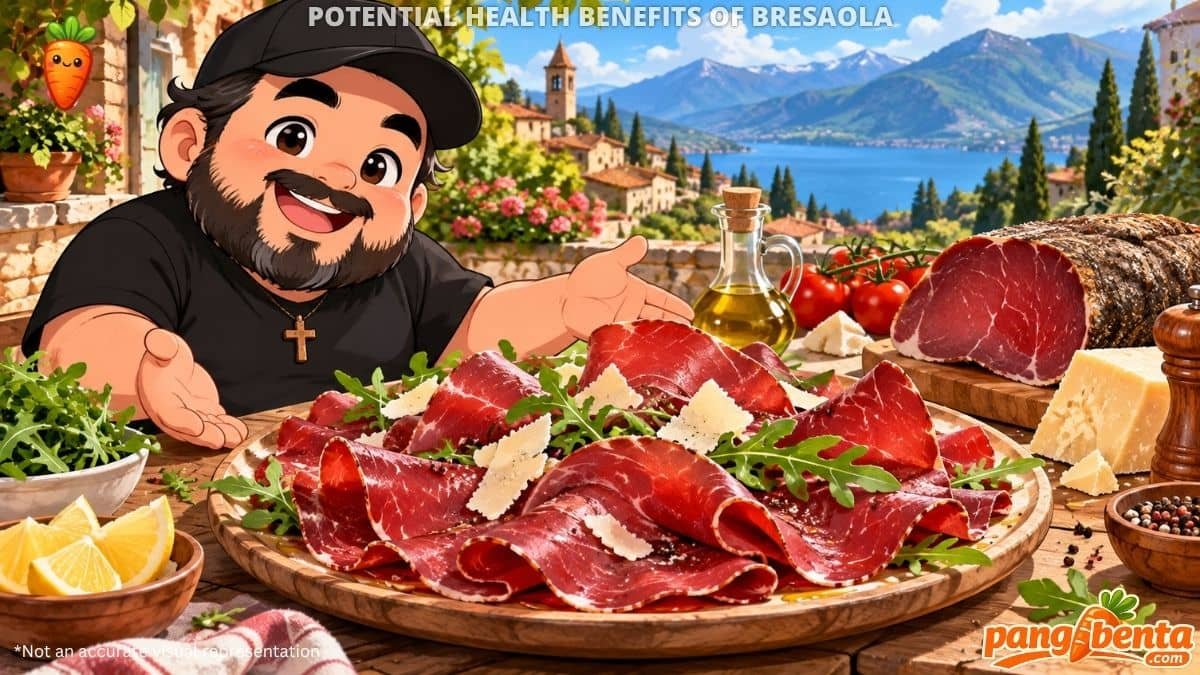
Bresaola is a traditional Italian cured meat known for its deep red color, delicate flavor, and lean texture. Unlike many cured meats made from pork, bresaola is typically prepared from lean cuts of beef that are salted, seasoned, and air-dried.
If you enjoy cured meats but are looking for something relatively lean and protein-rich, bresaola has some appealing nutritional qualities. It provides high-quality protein along with important nutrients naturally found in beef, including iron, zinc, and vitamin B12.
That doesn’t necessarily make bresaola an everyday health food, however. It is still processed meat and can contain a substantial amount of sodium. The healthiest way to think about bresaola is therefore as a nutrient-dense food that can fit into a balanced diet in moderate amounts rather than something to eat without limits.
Key Takeaways
- Bresaola is rich in protein, which supports muscle maintenance, tissue repair, and numerous functions throughout the body.
- It is generally quite lean compared with many sausages and fatty cured meats.
- Bresaola provides iron and vitamin B12, nutrients needed for normal red blood cell formation and other essential functions.
- It also supplies zinc, an essential mineral involved in immunity, wound healing, and many enzymatic reactions.
- Its combination of high protein and relatively little carbohydrate can make it a satisfying addition to higher-protein or lower-carbohydrate meals.
- Bresaola can be high in sodium, so portion size matters, particularly for people who have been advised to limit sodium.
- Because bresaola is processed meat, it is best eaten in moderation rather than relied upon as an everyday protein source.
What Is Bresaola?
Bresaola is most closely associated with northern Italy, particularly the Valtellina area of Lombardy. Traditional versions are made by curing whole cuts of beef with salt and seasonings before allowing the meat to air-dry and mature.
The finished meat is usually sliced very thin and served without further cooking. You’ll often see it paired with arugula, lemon juice, olive oil, or shaved Parmesan.
Nutritionally, one of the most interesting things about bresaola is its leanness. Removing water during curing also concentrates nutrients, so a relatively small serving can provide a meaningful amount of protein and micronutrients.
Exact nutritional values vary considerably by producer and recipe, particularly when it comes to sodium.
📙 Potential Health Benefits of Cow Skin
1. An Excellent Source of High-Quality Protein
Probably the most obvious nutritional benefit of bresaola is its protein content.
Beef provides complete protein, meaning it contains all nine essential amino acids that our bodies cannot produce in sufficient amounts on their own.
Protein plays numerous roles in the body. We need it to build and maintain muscle, repair tissues, and produce enzymes, hormones, and other important compounds.
Getting enough protein becomes particularly important as we get older because maintaining muscle mass can become more challenging with age. Adequate protein intake, particularly when combined with resistance exercise, can help support muscle maintenance and growth.
Because bresaola is dried and concentrated, it can provide considerable protein from a relatively small portion.
📙 Potential Health Benefits of Chorizo
2. It’s Relatively Low in Fat
Cured meat often brings to mind fatty salami, bacon, and sausages. Bresaola is different.
It is normally made from naturally lean beef cuts, with visible fat generally removed during preparation. Consequently, bresaola can contain considerably less total fat than many other cured meats.
That makes it an interesting alternative when you want the flavor and convenience of cured meat without as much fat.
Keep in mind that “low in fat” doesn’t automatically mean “healthy.” Sodium and the broader health considerations surrounding processed meat still matter.
📙 Potential Health Benefits of Chicken Gizzards
3. Provides Highly Bioavailable Iron
Bresaola provides heme iron, the form of iron found in meat.
Your body generally absorbs heme iron more efficiently than non-heme iron from plant foods. Iron is essential because it is needed to make hemoglobin, the protein in red blood cells responsible for transporting oxygen throughout your body.
Getting too little iron can eventually contribute to iron-deficiency anemia, which may cause symptoms such as fatigue and weakness.
Bresaola can therefore contribute useful dietary iron, although anyone with diagnosed iron deficiency should discuss appropriate treatment with a healthcare professional rather than relying on a particular food to correct it.
📙 Potential Health Benefits of Beef Tripe
4. A Source of Vitamin B12
Another nutritional advantage of beef-based foods such as bresaola is vitamin B12.
Vitamin B12 contributes to normal red blood cell formation, neurological function, and DNA synthesis. Because B12 naturally occurs mainly in animal-derived foods, meat can be an important dietary source for people who eat animal products.
Bresaola can therefore contribute toward your vitamin B12 intake while providing protein, iron, and other nutrients at the same time.
📙 Potential Health Benefits of Pork Trotters
5. Supplies Zinc
Bresaola also provides zinc, another essential nutrient naturally present in beef.
Zinc is involved in numerous enzymatic processes and is important for normal immune function, protein and DNA synthesis, cell division, and wound healing.
Animal foods such as beef can be useful sources of zinc within a varied diet.
📙 Potential Health Benefits of Beef Tendon
6. May Help With Satiety
Have you noticed that a protein-rich meal can feel particularly satisfying?
Protein generally has a strong satiating effect and can influence physiological processes involved in appetite and fullness.
Since bresaola provides plenty of protein without a large amount of fat or carbohydrate, a modest portion can add considerable protein to a meal without requiring a particularly large serving.
For example, instead of eating bresaola by itself, you could combine a few slices with vegetables, leafy greens, tomatoes, beans, whole grains, or fruit to create a more nutritionally balanced and filling meal.
That doesn’t mean bresaola itself causes weight loss. Body-weight management depends on your overall energy intake, diet, physical activity, sleep, health, and other factors. However, protein-rich foods can be useful when building satisfying meals.
📙 Potential Health Benefits of Goat Meat
7. Naturally Low in Carbohydrates
Traditional bresaola contains very little carbohydrate, although exact amounts depend on the ingredients and seasonings used by the manufacturer.
This can make it convenient for people following lower-carbohydrate eating patterns.
It also allows bresaola to add protein to a meal without contributing many carbohydrates. You could, for example, combine it with vegetables, legumes, or whole grains and adjust the amount and type of carbohydrate according to your dietary needs.
Again, low carbohydrate isn’t synonymous with healthy. The overall quality of your diet is much more important.
📙 Promising Health Benefits of Different Meats
8. Provides Other Important Nutrients Found in Beef
Alongside protein, iron, zinc, and vitamin B12, beef provides several additional micronutrients, including other B vitamins, phosphorus, and selenium.
These nutrients participate in functions ranging from normal energy metabolism to cellular function and antioxidant defenses.
One advantage of nutrient-dense animal foods is therefore that a relatively modest serving can contribute several essential nutrients simultaneously.
Is Bresaola Healthier Than Other Cured Meats?
It depends on what you’re comparing.
Compared with fatty sausages or certain types of salami, bresaola often has an advantage in terms of total fat because it is made from lean whole-muscle beef.
But cured meats aren’t nutritionally identical, and neither are all brands of bresaola.
One product may contain considerably more sodium than another. Ingredients and curing methods can differ as well. If you’re comparing products, checking the nutrition label and ingredient list is more informative than assuming every bresaola has the same nutritional profile.
The Downsides of Bresaola
Bresaola has genuine nutritional strengths, but there are also good reasons not to overdo it.
It Can Be High in Sodium
Salt is fundamental to the traditional curing process, which means bresaola can contain substantial sodium.
Our bodies require some sodium for normal function, but consistently consuming too much can contribute to elevated blood pressure. High blood pressure, in turn, increases the risk of cardiovascular disease and stroke.
If you’re trying to reduce sodium, compare labels between products and keep portions modest. Pairing bresaola with naturally low-sodium foods such as fresh vegetables can also make more sense than combining several salty foods in the same meal.
Bresaola Is Processed Meat
Bresaola qualifies as processed meat because curing and salting are methods used to preserve meat.
The International Agency for Research on Cancer (IARC) classifies processed meat as carcinogenic to humans based on sufficient evidence linking processed-meat consumption with colorectal cancer.
It’s important to understand what that classification means. It describes the strength of the evidence that processed meat can cause cancer, not how dangerous a particular serving is or whether processed meat carries the same level of risk as other substances in the same classification.
Research also indicates that risk increases with greater consumption. In practical terms, regularly eating large quantities of processed meat is different from occasionally including a modest serving in an otherwise balanced diet.
It Isn’t a Source of Dietary Fiber
Like other meats, bresaola contains essentially no dietary fiber.
That’s easy to address: don’t make the meat the entire meal. Pair it with fiber-rich plant foods.
A plate containing bresaola, arugula, tomatoes, beans, vegetables, and perhaps a whole grain provides a much broader range of nutrients than bresaola alone.
What About Bresaola and Uric Acid?
This deserves special attention for anyone concerned about gout or elevated uric acid.
Beef contains purines, compounds that the body breaks down into uric acid. Red meat can therefore contribute to dietary purine intake, and people with gout are commonly advised to moderate their intake of red meat and particularly high-purine animal foods.
Because bresaola is made from beef, curing it doesn’t turn it into a purine-free food.
People with gout don’t necessarily need to eliminate every food containing purines, and individual dietary needs can differ. However, frequently eating large portions of red or processed meat may not be an ideal approach for someone trying to manage gout.
If you have gout or hyperuricemia, consider bresaola an occasional food rather than your primary everyday protein source. Your healthcare professional or registered dietitian can provide individualized recommendations based on factors such as your uric acid levels, medications, kidney function, and overall diet.
How to Enjoy Bresaola in a Healthier Way
One practical strategy is to use bresaola as part of the meal rather than making it the entire meal.
Try serving a small amount over a large salad with arugula, tomatoes, cucumber, peppers, and extra-virgin olive oil. You could add beans or lentils for additional fiber and plant protein.
Fruit can also complement bresaola. Pears, figs, melon, or citrus can provide sweetness along with fiber and a variety of vitamins, minerals, and plant compounds.
And because the meat is already salty, taste your meal before adding extra salt.
Above all, rotate your protein sources. Fish, poultry, eggs, legumes, tofu, nuts, seeds, and minimally processed lean meats can all contribute to a varied diet without relying heavily on cured meat.
The Bottom Line
Bresaola has an interesting nutritional profile for a cured meat. It’s protein-rich, relatively lean, low in carbohydrates, and a useful source of nutrients such as iron, zinc, and vitamin B12.
Those characteristics can make it a nutritious addition to a meal.
The catch is that bresaola is still salty processed meat. Its nutritional benefits don’t erase the potential disadvantages associated with excessive sodium intake or frequent processed-meat consumption.
So rather than thinking of bresaola as simply “healthy” or “unhealthy,” consider the bigger picture. A modest portion eaten occasionally alongside vegetables, fruit, legumes, whole grains, and other minimally processed foods can fit into a balanced diet for many people.
Frequently Asked Questions
Is bresaola healthy?
Bresaola has several beneficial nutritional characteristics: it’s high in protein, generally lean, and provides iron, zinc, vitamin B12, and other nutrients. However, it is also processed meat and can be high in sodium. Portion size, frequency of consumption, and the rest of your diet therefore matter.
Is bresaola good for weight loss?
Bresaola isn’t a weight-loss food in itself. Its high protein content may help make meals more satisfying, while its relatively low fat content can make it less energy-dense than some fatty cured meats. Weight loss ultimately depends largely on maintaining an appropriate overall energy balance over time.
Is bresaola healthier than salami?
Bresaola is typically leaner than many traditional salamis and can therefore be an alternative when reducing total fat intake. However, both are processed meats and may contain substantial sodium, so individual nutrition labels are worth comparing.
Can I eat bresaola every day?
Because bresaola is processed meat and can be high in sodium, it makes sense to vary your protein sources rather than depend on it every day. Minimally processed protein sources can make up a larger share of your regular diet.
Is bresaola good for building muscle?
Bresaola provides complete, high-quality protein and can contribute to the protein needed for muscle maintenance and growth. Building muscle, however, also requires an appropriate overall diet and sufficient resistance-training stimulus.
Does bresaola contain iron?
Yes. Because bresaola is made from beef, it provides heme iron, which is generally more readily absorbed by the body than non-heme iron from plant foods.
Can people with gout eat bresaola?
Bresaola is made from beef and therefore isn’t a purine-free food. Someone with gout may still be able to include a modest amount depending on their overall diet and individual circumstances, but frequent or large servings of red meat may be inappropriate for some people managing gout. Personalized dietary advice is especially useful for people experiencing recurrent gout attacks.
Can pregnant women eat bresaola?
Pregnancy requires particular care with ready-to-eat cured meats because food-safety recommendations and risks can depend on how a product is produced, stored, and prepared. Pregnant individuals should follow current local public-health guidance and advice from their healthcare provider regarding cured and ready-to-eat meats.
Content Disclaimer
This article is for general informational and educational purposes only and is not intended to replace professional medical or nutritional advice, diagnosis, or treatment. Nutritional values and ingredients in bresaola vary by brand, recipe, serving size, and production method.
If you have gout, high blood pressure, kidney disease, cardiovascular disease, an iron-related disorder, are pregnant, or have another medical condition that may be affected by your diet, consult a qualified healthcare professional or registered dietitian for advice appropriate to your individual circumstances.