

Have you ever heard of a chicken with black feathers, black skin, and even black meat?
Meet Kadaknath chicken, a distinctive Indian poultry breed known for its unusual appearance, rich flavor, and nutritional reputation.
But is this black chicken actually healthier than regular chicken?
Research suggests that Kadaknath meat may offer certain nutritional advantages, including relatively high protein content, lower fat levels in some comparisons, and naturally occurring compounds that have attracted scientific interest.
However, not all the health claims associated with this breed are supported by strong evidence.
Let’s explore 10 potential health benefits of Kadaknath chicken, what research tells us, and how it can fit into a healthy, balanced diet.
Key Takeaways
- High-quality protein: Kadaknath provides complete protein that supports muscle maintenance, tissue repair, and normal body functions.
- Potentially lower fat content: Studies have found less fat in Kadaknath meat than in certain commercial broiler samples.
- Essential nutrients: Kadaknath contributes amino acids and nutrients found in poultry, although its vitamin and mineral concentrations vary.
- Naturally occurring compounds: Research has identified carnosine, anserine, and creatine in Kadaknath meat, with particularly interesting findings for carnosine.
- Versatile dietary option: Kadaknath can fit into eating plans focused on weight management, cardiovascular health, and diabetes.
- Limited clinical evidence: Although Kadaknath has promising nutritional characteristics, there’s insufficient human research showing that it prevents or treats specific diseases.
What Is Kadaknath Chicken?
Kadaknath is a native Indian chicken breed associated with Madhya Pradesh, particularly the Jhabua region.
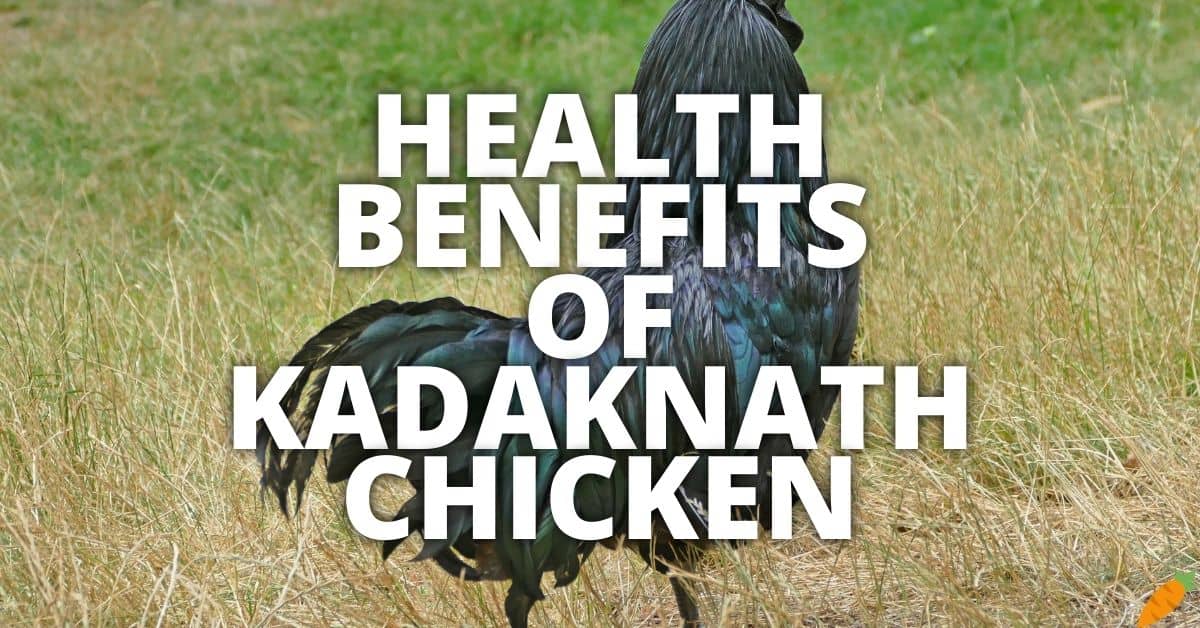
Also known as Kali Masi, meaning black meat, this breed is recognized for its dark feathers, skin, muscles, bones, and many internal tissues.
Its distinctive coloration results from fibromelanosis, a genetic characteristic that causes unusually extensive melanin pigmentation throughout the body.
Melanin is a natural pigment found in many living organisms. While it gives Kadaknath its striking appearance, the dark coloration doesn’t automatically make its meat more nutritious or medicinal.
Kadaknath has traditionally been raised by local communities and is valued for its flavor, cultural significance, and distinctive meat characteristics.
In July 2018, Jhabua Kadaknath Black Chicken Meat received Geographical Indication (GI) registration in India, recognizing its association with a specific geographical region.
Beyond its appearance and heritage, researchers have also investigated the breed’s nutritional composition and how it compares with commercial broiler chickens.
📙 Potential Health Benefits of Chicken Wings
1. Provides High-Quality Protein
One of the most notable nutritional characteristics of Kadaknath chicken is its protein content.
Protein is essential for building and repairing muscles, maintaining healthy tissues, and producing enzymes, hormones, and antibodies.
Like other chicken meat, Kadaknath provides complete protein containing all nine essential amino acids that your body cannot produce on its own.
A study published online in December 2025 reported approximately 23.31 grams of protein per 100 grams of raw Kadaknath meat. This figure came from pooled meat samples from eight birds and should not be treated as a universal value for every cut or farming system.
Another study published in Foods in 2022 found that Kadaknath meat contained more protein than the commercial broiler meat examined.
Getting enough protein can help maintain muscle mass, support recovery after exercise, repair tissues, and promote fullness after meals.
This makes Kadaknath a useful protein option if you’re physically active or trying to maintain muscle while managing your weight.
However, regular lean chicken also provides high-quality protein. The nutritional difference between breeds depends on the specific meat samples being compared.
📙 Potential Health Benefits of Chitterlings
2. May Contain Less Fat Than Regular Chicken
If you’re watching your calorie intake, Kadaknath chicken may be worth considering.
Research comparing Kadaknath with commercial broilers has found lower fat levels in some Kadaknath meat samples.
For example, the 2025 study reported approximately 1.11 grams of fat per 100 grams of raw Kadaknath meat.
Because fat provides more calories per gram than protein or carbohydrates, choosing leaner meat may help reduce calorie intake.
This can be useful when you’re trying to maintain a healthy weight or limit saturated fat consumption.
However, fat content varies according to the chicken’s age, diet, meat cut, and whether the skin is included.
A skinless chicken breast will generally contain less fat than a skin-on thigh or wing, regardless of breed.
Cooking methods also matter. Deep-frying Kadaknath or preparing it with large amounts of oil can considerably increase the fat and calorie content of the finished dish.
Choosing lean portions and preparing them through grilling, steaming, baking, or simmering can help preserve the nutritional advantages of a lower-fat meal.
📙 Potential Health Benefits of Cecina
3. Provides Iron for Healthy Blood Function
Iron plays an important role in maintaining healthy blood and supporting oxygen transport throughout the body.
Your body needs iron to produce hemoglobin, a protein in red blood cells that carries oxygen from your lungs to your tissues.
Without enough iron, you may develop iron-deficiency anemia, which can cause fatigue, weakness, and reduced exercise tolerance.
Kadaknath chicken contains iron, although its exact concentration depends on the meat sample and production conditions.
Some reports suggest that Kadaknath may contain more iron than certain conventional chicken breeds, but this isn’t established across all comparisons.
Like other poultry, Kadaknath provides some heme iron, which is generally absorbed more efficiently than the non-heme iron found in plant foods.
Including iron-containing foods in your diet helps support red blood cell production, oxygen transport, and normal cellular function.
You can also pair Kadaknath with vitamin C-rich vegetables, such as broccoli or bell peppers, to help your body absorb non-heme iron from other ingredients in the meal.
Interestingly, Kadaknath’s dark coloration is primarily caused by melanin rather than unusually high iron levels. Its black appearance alone doesn’t indicate how much iron the meat contains.
📙 Potential Health Benefits of Chicken Skin
4. Can Be Part of a Heart-Healthy Diet
Kadaknath chicken is sometimes promoted as a heart-friendly meat because of its reportedly lower fat and cholesterol content.
While some studies have found lower fat levels in Kadaknath meat, its cholesterol content isn’t consistently established as lower than that of conventional chicken.
It’s also important to understand that dietary cholesterol is only one factor affecting cardiovascular health.
Saturated fat intake, overall dietary quality, physical activity, and individual health conditions also influence blood cholesterol levels and heart disease risk.
Choosing lean poultry instead of fatty or processed meats can support a heart-healthy eating pattern, especially when the substitution reduces saturated fat intake.
For example, grilled Kadaknath served with vegetables and whole grains can make a nutritious meal without excessive saturated fat or sodium.
However, there’s currently no convincing clinical evidence that eating Kadaknath specifically lowers blood cholesterol or prevents heart disease.
Its cardiovascular value is best understood in the context of a balanced diet rather than as a unique therapeutic property.
📙 Potential Health Benefits of Carne Seca
5. Supplies Important B Vitamins
Chicken meat can contribute several B vitamins that help your body convert food into usable energy and maintain normal cellular functions.
Kadaknath may provide nutrients such as:
- Vitamin B3 (niacin): Supports energy metabolism and normal nervous system function.
- Vitamin B6: Helps with protein metabolism, neurotransmitter production, and immune function.
- Vitamin B12: Contributes to red blood cell formation, DNA synthesis, and nerve health.
- Vitamin B2 (riboflavin): Supports energy production and normal cellular processes.
These vitamins participate in essential functions throughout the body.
For example, vitamin B12 helps maintain healthy nerve cells, while vitamin B6 is involved in the metabolism of amino acids.
However, detailed vitamin measurements specific to Kadaknath remain limited, so it’s difficult to determine whether this breed consistently provides more of these nutrients than regular chicken.
Chicken meat is also not generally considered a meaningful source of vitamin C.
For better nutritional variety, enjoy Kadaknath alongside vegetables, fruits, legumes, and whole grains rather than relying on it as your primary source of vitamins.
📙 Potential Health Benefits of Bresaola
6. Contributes Minerals Needed for Normal Body Functions
Besides protein and vitamins, chicken meat provides minerals that help maintain normal physiological processes.
Depending on its composition, Kadaknath can contribute minerals such as phosphorus, iron, zinc, and selenium.
These nutrients have different functions:
- Phosphorus: Supports bone structure, cellular membranes, and energy metabolism.
- Iron: Helps maintain healthy red blood cells and transport oxygen.
- Zinc: Contributes to immune function, wound healing, and protein synthesis.
- Selenium: Supports thyroid function and the body’s antioxidant defense systems.
However, the exact mineral content of Kadaknath varies, and there isn’t enough consistent evidence to describe it as exceptionally rich in every mineral.
For example, boneless chicken meat is not generally an important source of calcium.
If you’re concerned about bone health, you’ll still need calcium-rich foods such as dairy products, fortified alternatives, or other suitable dietary sources.
Including Kadaknath as one of several nutritious foods can help contribute to your overall mineral intake.
📙 Potential Health Benefits of Cow Skin
7. Provides Nutrients That Support Immune Function
Your immune system relies on adequate nutrition to function properly.
Protein and essential micronutrients support the production and activity of immune cells, antibodies, and other components involved in the body’s defenses.
Kadaknath chicken provides protein and may contribute minerals involved in normal immune function.
For example, your body uses amino acids from dietary protein to produce antibodies and maintain immune-related tissues.
Zinc and selenium also play important roles in immune regulation and cellular protection.
However, supporting normal immune function is different from boosting immunity beyond its usual capacity.
Although Kadaknath has a traditional reputation for health-promoting properties, clinical research hasn’t established that eating it prevents infections or improves immune function more effectively than other nutritious protein sources.
A varied diet, sufficient sleep, regular physical activity, and appropriate preventive healthcare remain more reliable ways to support your immune system.
📙 Promising Wellness Benefits of Different Meats
8. Can Fit Into a Diabetes-Friendly Diet
If you’re managing diabetes, choosing nutritious protein sources can help you build balanced meals.
Plain, unbreaded chicken contains very little carbohydrate, making Kadaknath a practical option for meals planned around carbohydrate intake.
Protein also contributes to fullness and can influence the body’s response to a mixed meal.
However, Kadaknath itself hasn’t been shown to directly lower blood sugar or improve long-term diabetes control.
The way you prepare and serve it is especially important.
For example, grilled Kadaknath with non-starchy vegetables and an appropriate portion of brown rice can fit into a balanced eating plan.
On the other hand, deep-fried chicken coated in flour or served with sugary sauces may add substantial calories, fat, and carbohydrates.
Choosing lean poultry may also help support cardiovascular health, which is particularly important for people with diabetes.
Kadaknath can therefore be a suitable protein choice, but its benefits are not established as superior to those of other lean chicken breeds.
9. Contains Naturally Occurring Bioactive Compounds
One of Kadaknath chicken’s more interesting nutritional characteristics is the presence of naturally occurring bioactive compounds.
These include carnosine, anserine, and creatine, substances normally found in animal muscle tissue.
Carnosine and anserine have been studied for their antioxidant and acid-buffering properties, while creatine plays a role in rapidly replenishing cellular energy during intense muscular activity.
A 2022 study comparing Kadaknath with Cobb 400 commercial broilers found that Kadaknath breast meat contained substantially more carnosine.
The researchers reported approximately 6.10 milligrams of carnosine per gram of Kadaknath breast meat, compared with 2.73 milligrams per gram in the commercial broiler samples.
However, the study did not find significant differences in anserine or creatine concentrations between the two chicken groups.
Laboratory tests also suggested differences in antioxidant activity and the ability of meat extracts to inhibit certain glycation reactions.
These findings are scientifically interesting, but laboratory activity doesn’t necessarily translate into measurable health benefits after eating the meat.
Digestion, absorption, serving size, and overall dietary intake can influence how these compounds affect the body.
More human research is needed to determine whether Kadaknath’s higher carnosine content provides meaningful health advantages over conventional chicken.
📚 More about Kadaknath Chicken
10. Provides Nutrients That Support Skin and Hair Health
Healthy skin and hair depend on several factors, including genetics, hormones, age, nutritional status, and overall health.
Adequate protein intake is important because your body needs amino acids to produce structural proteins.
For example, collagen helps maintain the structure of your skin, while keratin is a major component of hair.
Kadaknath provides amino acids that your body can use to produce these proteins.
Like other poultry, it may also contribute minerals such as zinc and selenium, which participate in normal cellular processes.
Getting enough of these nutrients is particularly important when your diet is otherwise inadequate.
However, consuming additional protein doesn’t necessarily improve hair growth or skin appearance if you’re already meeting your nutritional needs.
There’s also no convincing clinical evidence that Kadaknath produces better cosmetic outcomes than other protein-rich foods.
A varied diet containing sufficient protein, healthy fats, vitamins, and minerals remains a more dependable approach to maintaining healthy skin and hair.
Kadaknath Chicken vs. Regular Chicken: Is It Really Healthier?
After exploring these nutritional characteristics, you might wonder whether Kadaknath is worth choosing over conventional chicken.
The answer depends on your nutritional needs, preferences, budget, and the meat you’re comparing.
Studies suggest that Kadaknath may have advantages in protein content, fat levels, and carnosine concentration compared with certain commercial broiler samples.
However, those differences aren’t necessarily consistent across all breeds, cuts, and production conditions.
Here’s how they generally compare:
| Nutritional Feature | Kadaknath Chicken | Regular Chicken |
| Protein | High; higher in some studies | High |
| Fat | Lower in some comparisons | Varies by cut and skin |
| Iron | Present; comparative advantage uncertain | Present |
| B vitamins | Contributes B vitamins | Contributes B vitamins |
| Carnosine | Higher in one comparative study | Naturally present |
| Anserine and creatine | Naturally present | Naturally present |
| Cholesterol | No consistent advantage established | Varies by cut and other factors |
| Proven disease prevention | Not established | Not established |
These comparisons reflect available research rather than standardized nutritional values for all Kadaknath and conventional chicken products.
Regular skinless chicken remains a nutritious source of complete protein and other essential nutrients.
If Kadaknath is available and you enjoy its flavor, it can be an interesting addition to your diet. However, you don’t need to buy a rare or expensive chicken breed to obtain the benefits of lean poultry.
How to Prepare Kadaknath Chicken for Better Nutrition
How you prepare Kadaknath can influence the nutritional quality of your meal.
Here are a few practical ways to enjoy it:
Choose healthier cooking methods. Grilling, steaming, baking, and simmering generally require less added fat than deep-frying.
Flavor it with herbs and spices. Garlic, ginger, turmeric, black pepper, and fresh herbs can enhance flavor without relying heavily on salt or rich sauces.
Serve it with vegetables. Leafy greens, carrots, broccoli, and other vegetables add fiber and essential micronutrients that chicken doesn’t provide in significant amounts.
Consider your portions. Approximately 85–100 grams of cooked chicken can provide a substantial amount of protein, although individual requirements vary. Remember that nutrient values reported for raw meat shouldn’t be directly applied to the same weight of cooked meat.
Cook it thoroughly. The USDA recommends cooking all poultry to an internal temperature of 74°C (165°F). Use a food thermometer rather than relying on appearance, particularly because Kadaknath meat is naturally dark.
These habits can help you enjoy Kadaknath while keeping your meals nutritious, satisfying, and safe.
Precautions and Possible Downsides
Although Kadaknath chicken can be part of a healthy diet, a few considerations are worth remembering.
Gout and elevated uric acid: Like other poultry, Kadaknath contains purines, which your body breaks down into uric acid. Its exact purine content isn’t well established, so it shouldn’t be assumed to be a low-purine alternative to ordinary chicken. People with gout may need to consider portions and overall dietary patterns.
Kidney disease: Individuals with certain kidney conditions may require personalized limits on protein, phosphorus, or other nutrients.
Food allergies: People with a confirmed chicken meat allergy should avoid Kadaknath unless an appropriate allergy specialist advises otherwise.
Food safety: Store raw chicken properly, prevent cross-contamination, and cook it thoroughly to reduce the risk of foodborne illness.
Cost and availability: Kadaknath may be more expensive or difficult to obtain than conventional chicken. Its price doesn’t necessarily reflect a proportionally greater nutritional benefit.
As with any food, suitability depends on your overall diet, nutritional needs, and medical circumstances.
Frequently Asked Questions (FAQs)
1. Is Kadaknath chicken healthier than regular chicken?
Kadaknath may contain more protein, less fat, and higher carnosine concentrations than some commercial broiler meat samples. However, nutritional differences vary, and there’s insufficient human research showing that Kadaknath consistently produces better health outcomes than regular lean chicken.
2. Why is Kadaknath chicken black?
Kadaknath’s black coloration comes from fibromelanosis, a genetic characteristic that causes extensive melanin pigmentation in its skin, muscles, bones, and other tissues. This is a natural feature of the breed.
3. Is Kadaknath chicken good for weight loss?
Kadaknath can be included in a weight-loss diet because it provides protein that supports fullness and muscle maintenance. Some studies also report relatively low fat levels. However, weight management depends on overall calorie intake, food choices, and sustainable lifestyle habits.
4. Can people with diabetes eat Kadaknath chicken?
Generally, yes. Plain Kadaknath chicken contains very little carbohydrate and can fit into a diabetes-friendly eating plan. Portion sizes, cooking methods, and accompanying foods remain important. Kadaknath isn’t a treatment for diabetes.
5. Does Kadaknath chicken lower cholesterol?
There’s insufficient clinical evidence that eating Kadaknath directly lowers blood cholesterol. Replacing foods high in saturated fat with lean poultry may support cardiovascular health, but the overall dietary pattern is more important.
6. Is Kadaknath chicken rich in iron?
Kadaknath contains iron, but the amount varies. Although some reports suggest higher iron concentrations than in certain conventional chicken breeds, more consistent measurements are needed before describing it as exceptionally iron-rich.
7. Is Kadaknath chicken good for people with gout?
Kadaknath isn’t established as a low-purine food. Like other poultry, it contains purines that contribute to uric acid production. People with gout should consider portion sizes and individualized dietary guidance rather than assuming Kadaknath is safer than regular chicken.
8. Can Kadaknath chicken improve immunity?
Kadaknath provides protein and nutrients that contribute to normal immune function. However, no convincing clinical evidence shows that eating it specifically boosts immunity or prevents infections.
9. Does Kadaknath chicken have medicinal properties?
Kadaknath has a history of traditional medicinal use, and laboratory research has identified interesting compounds in its meat. However, there’s insufficient high-quality human evidence that eating Kadaknath prevents or treats diseases such as diabetes, cancer, or heart disease.
10. Can you eat Kadaknath chicken regularly?
For most healthy adults, Kadaknath can be included regularly as part of a varied diet. Rotating protein sources, including fish, eggs, beans, lentils, and other lean meats, helps provide nutritional variety. Individual health conditions may affect suitable portions and frequency.
Conclusion
Kadaknath chicken stands out for more than its unusual black appearance.
Scientific research suggests that it may offer certain nutritional advantages over some commercial chicken breeds, particularly in protein content, fat levels, and carnosine concentration.
Its high-quality protein and other nutrients can contribute to muscle maintenance, tissue repair, and normal body functions.
However, many of its widely promoted benefits, including claims about lowering cholesterol, treating diabetes, and preventing disease, remain unsupported by convincing human clinical evidence.
Kadaknath can be a nutritious addition to your diet, but it isn’t a miracle food.
If you enjoy its distinctive flavor and have access to it, there’s room for Kadaknath in a balanced eating plan. Just remember that dietary variety, appropriate portions, and healthy cooking methods are more important than relying on any single food for better health.
Content Disclaimer
This article is provided for general informational and educational purposes only and is not intended to replace professional medical advice, diagnosis, or treatment.
The nutritional information and potential health benefits discussed are based on available scientific research and established nutrition principles. Nutrient concentrations may vary depending on farming conditions, feed, age, meat cut, and preparation methods.
Some reported benefits of Kadaknath chicken are based on laboratory findings, limited comparative studies, or traditional beliefs and have not been confirmed through high-quality human clinical trials.
If you have a medical condition, including gout, kidney disease, diabetes, or cardiovascular disease, consult a qualified healthcare professional or registered dietitian for personalized dietary guidance.
Kadaknath chicken and other foods should never be used as substitutes for prescribed medications or appropriate medical treatment.