

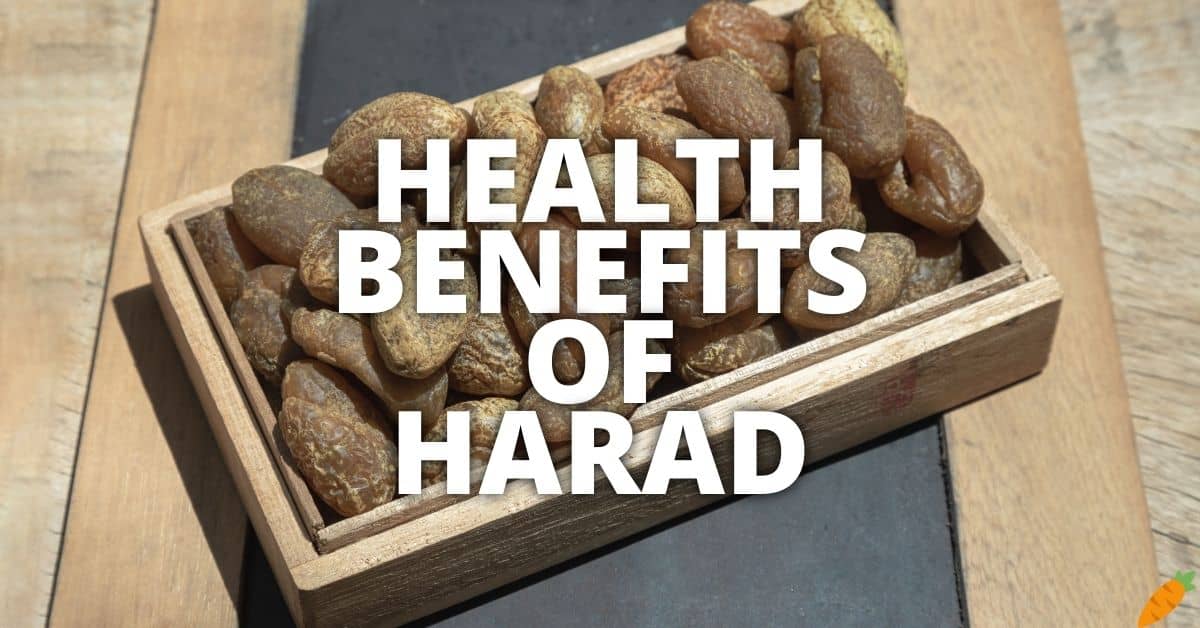
Harad, also called Terminalia chebula, is a fruit used in Ayurvedic medicine for many health purposes.
People value it for its antioxidant, anti-inflammatory, and antibacterial properties, which may support several parts of the body.
We’ll explain the potential health benefits of harad in a clear and simple way, so you can better understand why it is widely used.
Along the way, we’ll cover how it may help with digestion, immunity, heart health, skin health, and more.
We’ll also look at how Harad compares with other popular herbal remedies, including amla, ashwagandha, and turmeric.
With this overview, you can see whether Harad may be a useful part of your wellness routine.
1. Better Digestion and Gut Health
Harad, or Terminalia chebula, has long been used to support healthy digestion and improve gut function.
Many people turn to it because its natural properties may help ease common digestive problems.
One of the key harad benefits is its mild laxative effect, which can help promote regular bowel movements and reduce discomfort from constipation.
It may also help lessen bloating and gas, making digestion feel smoother and more comfortable.
In addition, Harad supports the growth of good bacteria in the gut, which play an important role in breaking down food and absorbing nutrients.
Its anti-inflammatory properties may also help calm irritation in the digestive tract, which can be helpful for people with sensitive stomachs.
Harad can relax the muscles in the gut, which may reduce cramping and support better movement of food through the system.
Some people choose to take harad powder as part of their routine, as it is one of the common ways to use it for digestive support.
With regular use and proper guidance, Harad may help maintain a healthier and more balanced digestive system.
📙 Potential Health Benefits of Culantro
2. Reducing Inflammation Naturally
Harad is known for its potent anti-inflammatory properties, which can help reduce inflammation in the body.
These properties stem from various bioactive compounds found in the fruit, such as tannins, flavonoids, and phenolic compounds.
Here are some ways Harad’s anti-inflammatory properties can be beneficial:
Managing Chronic Conditions
Inflammation plays a significant role in the development and progression of various chronic conditions, such as arthritis, heart disease, and diabetes.
The anti-inflammatory properties of Harad can help alleviate symptoms and may potentially slow the progression of these conditions.
Reducing Pain And Swelling
Pain and swelling in the affected area are typical symptoms of inflammation.
Harad’s anti-inflammatory effects may help provide relief from these symptoms by reducing inflammation and promoting healing.
Supporting Immune System Function
A healthy immune system relies on a delicate balance of pro-inflammatory and anti-inflammatory processes.
Harad’s anti-inflammatory properties can help maintain this balance, ensuring your immune system functions optimally and protects you from illness.
Accelerating Healing
Inflammation is a natural part of the healing process; however, excessive inflammation can slow recovery.
By reducing inflammation, Harad can potentially speed up the healing process in cases of injury or illness.
Preventing Cellular Damage
Chronic inflammation can lead to cellular damage and increase the risk of developing various health issues.
The antioxidant properties of Harad, combined with its anti-inflammatory effects, may help protect cells from this damage.
It’s important to note that while Harad has been traditionally used and has shown promise in scientific studies, individual results may vary.
📙 Potential Health Benefits of Lime Leaves
3. Powerful Natural Antioxidant
Harad is a rich source of natural antioxidants that help protect the body from damage.
These antioxidants come from the bioactive compounds in harad, such as tannins and phenolic compounds.
Free radicals are unstable molecules that can harm cells and lead to oxidative stress over time.
When oxidative stress builds up, it may contribute to aging and several health problems.
The antioxidants in Harad help neutralize these free radicals and reduce their harmful effects.
As a result, the body may maintain better balance and overall health.
These antioxidant effects can also support the immune system by protecting immune cells from damage.
When immune cells stay healthy, they can respond better to infections and help the body recover faster.
Harad may also support heart health by helping protect blood vessels from oxidative damage.
This may lower the risk of issues linked to poor circulation and heart function.
Additionally, the antioxidants in Harad can help protect brain cells, which may support memory and thinking as we age.
Skin health may also benefit from these protective effects, since antioxidants help reduce damage from pollution and sunlight.
This can help the skin stay healthier and reduce early signs of aging.
By supporting different parts of the body, Harad’s antioxidants may help improve overall vitality.
With regular use and proper guidance, it may play a helpful role in maintaining long-term wellness.
📙 Potential Health Benefits of Zobo Leaves
4. Boosts the Immune System
Harad has long been used in traditional medicine as a natural immune booster.
Its bioactive compounds, including antioxidants, polyphenols, and tannins, contribute to its immune-enhancing properties.
Here’s how Harad can help support your immune system and improve overall health:
Protecting Immune Cells
The antioxidants in Harad help neutralize free radicals, which can damage immune cells and weaken the immune system.
By protecting immune cells from oxidative stress, Harad helps to maintain a strong and healthy immune response.
Modulating Immune Response
Harad contains compounds that may help regulate the immune system by balancing pro-inflammatory and anti-inflammatory processes.
This ensures that the immune response is neither too weak nor too strong, which is essential for maintaining overall health.
Enhancing The Production Of Immune Cells
Some research suggests that Harad may stimulate the production of immune cells, such as natural killer cells and T-cells.
These cells play a crucial role in defending the body against pathogens and maintaining overall health.
Supporting Gut Health
A healthy gut is essential for a strong immune system, as the majority of the immune system is located in the gastrointestinal tract.
Harad’s prebiotic properties help promote the growth of beneficial gut bacteria, which in turn support a healthy immune response.
Antimicrobial Properties
Harad exhibits antimicrobial properties, which can help the body fight off infections caused by bacteria, fungi, and viruses.
This contributes to a more resilient immune system.
Synergistic Effects
Harad is often used in combination with other herbs in traditional medicine to create synergistic effects.
These combinations may enhance the immune-boosting properties of each herb, making them more effective in supporting the immune system.
📙 Potential Health Benefits of Cuban Oregano
5. Stronger Teeth and Better Oral Health
Harad has been valued in traditional medicine for its antibacterial properties, which can contribute to good oral hygiene and overall dental health.
Here’s how Harad can help support your dental health:
Inhibiting Bacterial Growth
The antibacterial properties of Harad can help prevent the growth of harmful bacteria in the mouth, such as Streptococcus mutans and Porphyromonas gingivalis, which are responsible for tooth decay and gum disease.
Reducing Plaque Formation
Harad’s antibacterial action may help reduce plaque buildup on teeth by inhibiting the growth of plaque-forming bacteria.
This can help prevent cavities, tooth decay, and gum disease.
Preventing Bad Breath
The antibacterial properties of Harad can help fight the bacteria that cause bad breath, promoting fresher breath and improved oral hygiene.
Soothing Mouth Ulcers And Inflammation
Harad’s anti-inflammatory properties may help soothe and heal mouth ulcers and reduce inflammation in the oral cavity, providing relief from discomfort and promoting overall oral health.
Supporting Gum Health
The antibacterial and anti-inflammatory properties of Harad can help prevent and treat gum disease by reducing inflammation and bacterial growth in the gums.
Strengthening Teeth
Some traditional uses of Harad include its potential to help strengthen teeth and protect them from damage.
While more research is needed to confirm this benefit, Harad’s various properties may contribute to overall tooth health.
To make use of Harad’s dental benefits, it can be used as a mouthwash, toothpaste, or even a supplement.
📙 Potential Health Benefits of Bamboo Leaves
6. Heart Health and Cholesterol Control
Harad has been traditionally used to support heart health, and some studies suggest that it may help reduce cholesterol levels and promote overall cardiovascular health.
Here’s how Harad can potentially benefit your heart:
Lowering Cholesterol Levels
Some studies have found that Harad can help reduce total cholesterol, LDL (bad) cholesterol, and triglyceride levels while increasing HDL (good) cholesterol levels.
A healthy cholesterol balance is essential for maintaining heart health and preventing cardiovascular issues.
Antioxidant Effects
Harad’s antioxidant properties can help protect the heart and blood vessels from oxidative stress and damage caused by free radicals.
This may help prevent the development of heart disease and other cardiovascular issues.
Anti-Inflammatory Properties
Inflammation is a contributing factor to many heart conditions, such as atherosclerosis and coronary artery disease.
Harad’s anti-inflammatory properties may help reduce inflammation in the cardiovascular system, supporting overall heart health.
Improving Blood Circulation
Some research suggests that Harad may help improve blood circulation by promoting blood vessel relaxation and reducing blood pressure.
Good blood circulation is essential for maintaining heart health and preventing cardiovascular complications.
Preventing Blood Clots
Harad contains compounds that may help prevent the formation of blood clots, which can lead to heart attacks and strokes.
By reducing the risk of blood clots, Harad may help support overall cardiovascular health.
It’s essential to note that while Harad has shown promise in supporting heart health in traditional uses and some scientific studies, more research is needed to confirm its effectiveness.
A heart-healthy lifestyle, including a balanced diet, regular exercise, and stress management, is crucial for maintaining overall heart health.
📙 Potential Health Benefits of Gmelina Leaves
7. Respiratory Health and Lung Support
Harad has a long history of use in traditional medicine for treating various respiratory problems, such as asthma, cough, and bronchitis.
Here’s how Harad can potentially benefit your respiratory health:
Anti-Inflammatory Properties
Harad’s anti-inflammatory effects may help reduce inflammation in the airways, providing relief from symptoms of asthma, bronchitis, and other respiratory conditions.
Expectorant Action
Harad can help loosen and expel mucus from the lungs, making it easier to breathe and providing relief from coughs and congestion.
Antimicrobial Properties
The antimicrobial properties of Harad can help protect the respiratory system from bacterial and viral infections, such as the common cold and flu.
Bronchodilatory Effects
Some research suggests that Harad may have bronchodilatory effects, helping to relax the smooth muscles of the airways and making it easier to breathe.
This can be particularly beneficial for individuals with asthma or other respiratory conditions that cause airway constriction.
Strengthening Respiratory Immunity
Harad’s immune-boosting properties may help strengthen the immune system’s ability to protect the respiratory system from infections and other respiratory issues.
Antioxidant Effects
Harad’s antioxidants can aid in preventing oxidative damage to respiratory tissues from free radicals and other environmental toxins.
This may help maintain overall respiratory health and reduce the risk of developing chronic respiratory conditions.
📙 Potential Health Benefits of Awolowo Leaf
8. Benefits for Skin Health and Acne Relief
Harad has been used in traditional practices to support skin health because of its natural protective properties.
The harad fruit contains compounds that may help keep the skin clean and balanced.
Its antibacterial effects can help reduce the growth of acne-causing bacteria, which may lower the chances of breakouts.
By controlling these bacteria, Harad may also help prevent further irritation and swelling on the skin.
Furthermore, its anti-inflammatory properties can calm redness and soothe irritated areas, which is helpful for conditions like acne, eczema, and dermatitis.
The antioxidants found in the harad fruit can protect the skin from damage caused by pollution and other environmental factors.
This protection may help slow down early signs of aging and support smoother-looking skin.
Harad may also help the skin heal faster by reducing the risk of infection in small cuts and wounds.
Its natural compounds can support the repair process, which may lead to better skin recovery over time.
Another possible benefit is its role in balancing sebum, the oil produced by the skin.
When oil levels are balanced, pores are less likely to become clogged, which may reduce acne.
Using Harad as part of a regular skincare routine may support healthier skin over time.
It works best when combined with good habits like proper cleansing, a balanced diet, and sun protection.
With consistent care, Harad may help improve overall skin condition and maintain a clearer appearance.
📙 Potential Health Benefits of Dog Blood Bush
9. Liver Detox and Liver Protection
Harad has been traditionally used for its potential liver-protective properties.
Some scientific studies suggest that Harad may help protect the liver from damage and promote overall liver health.
Here’s how Harad can potentially benefit your liver:
Antioxidant Properties
The antioxidants in Harad can help protect the liver from oxidative stress and damage caused by free radicals and toxic substances.
By neutralizing these harmful molecules, Harad may help maintain liver function and prevent liver diseases associated with oxidative stress.
Anti-Inflammatory Properties
Harad’s anti-inflammatory effects may help reduce inflammation in the liver, which is a common factor in many liver conditions, such as hepatitis, fatty liver disease, and cirrhosis.
By alleviating inflammation, Harad can potentially support liver health and function.
Detoxification Support
Harad is believed to support the liver’s detoxification processes, helping the organ efficiently remove toxins and waste products from the body.
By enhancing liver detoxification, Harad may help prevent the accumulation of harmful substances that can lead to liver damage.
Regenerating Liver Cells
Some studies suggest that Harad may help promote the regeneration of liver cells, which is essential for maintaining optimal liver function and overall health.
By supporting liver cell regeneration, Harad can potentially help the liver recover from damage and maintain its function.
Protection From Liver Damage
According to some studies, harad can shield the liver from harm from various substances like acetaminophen, alcohol, and carbon tetrachloride.
By shielding the liver from damage, Harad may help prevent the development of liver disease and maintain overall liver health.
Maintaining a healthy lifestyle, including a balanced diet, regular exercise, and responsible alcohol consumption, is crucial for supporting overall liver health.
📙 Potential Health Benefits of Djeka Leaves
10. Blood Sugar Control and Diabetes Support
Harad has been used in traditional medicine for its possible role in supporting blood sugar balance.
Many people are interested in the effects of harad because it may help improve how the body handles glucose.
Some studies suggest that Harad may support insulin sensitivity, which helps cells use sugar more effectively.
When cells absorb glucose better, blood sugar levels may stay more stable.
This may help reduce the risk of spikes and drops that can affect daily health.
The antioxidant properties of Harad also play an important role in blood sugar support.
These antioxidants may help protect pancreatic cells, which are responsible for producing insulin.
Healthy pancreatic cells are important for keeping blood sugar levels under control.
Moreover, Harad’s anti-inflammatory effects may help reduce inflammation linked to insulin resistance.
Lower inflammation may support better metabolic function over time.
Some research also suggests that Harad may support weight management by helping control appetite.
Maintaining a healthy weight is important for managing blood sugar levels and reducing strain on the body.
The effects of harad may also help lower the risk of complications linked to diabetes by reducing oxidative stress.
These complications can affect nerves, kidneys, and eyes if not managed well.
Even with these benefits, proper diabetes care still includes a balanced diet, regular exercise, and medical guidance.
When used carefully, Harad may be a helpful addition to a well-planned health routine.
📙 Promising Wellness Benefits of Different Herbs
11. Anti-Aging and Overall Vitality
Harad has been traditionally used for its potential anti-aging benefits, with its antioxidant properties playing a key role in promoting overall vitality and combating signs of aging.
Here’s how Harad can potentially benefit your health in terms of anti-aging:
Antioxidant Properties
The antioxidants in Harad can help neutralize free radicals, which are unstable molecules that cause oxidative stress and can damage cells, proteins, and DNA.
By reducing oxidative stress, Harad may help protect the body from age-related damage and maintain overall health.
Skin Health
As mentioned earlier, Harad’s antioxidant properties can help protect the skin from oxidative stress and damage caused by free radicals and environmental pollutants.
This may help prevent premature aging, maintain skin elasticity, and support overall skin health.
Brain Health
Oxidative stress has been linked to age-related cognitive decline and neurodegenerative diseases such as Alzheimer’s and Parkinson’s.
The antioxidants in Harad can help protect brain cells from oxidative damage, potentially supporting cognitive function and overall brain health as we age.
Cardiovascular Health
Harad’s antioxidant and anti-inflammatory properties may help maintain heart health, as mentioned earlier.
By supporting cardiovascular health, Harad can potentially reduce the risk of age-related heart issues and promote overall vitality.
Immune System Support
A strong immune system is crucial for maintaining health as we age.
Harad’s immune-boosting properties can potentially help strengthen the immune system and protect the body from infections and other age-related health issues.
Cellular Health
Harad’s antioxidant properties may help protect cellular structures from oxidative damage, which can lead to cellular dysfunction and contribute to the aging process.
By supporting cellular health, Harad can potentially promote overall vitality and well-being.
A comprehensive approach to healthy aging includes a balanced diet, regular exercise, stress management, and social connections.
12. How Harad Compares to Other Popular Herbal Remedies
Harad, also known as haritaki, is often compared to other herbs to better understand its role in ayurvedic health.
It is widely used in traditional practices because it supports many parts of the body, especially digestion and gentle cleansing.
For example, both Harad and amla are valued in Ayurveda, but amla is better known for its high vitamin C content and support for immunity and skin health.
Harad, or haritaki, is more focused on improving digestion and helping the body remove waste in a natural way.
Ashwagandha serves a different purpose, as it is mainly used to help the body manage stress and improve energy levels.
In contrast, Harad works more on gut health and supports natural detox processes.
Turmeric is often used for reducing inflammation, especially in joints, while Harad offers a wider range of benefits that include digestion and mild cleansing.
These herbs can sometimes be used together in ayurvedic health practices, depending on a person’s needs and overall goals.
Knowing how each herb works can help you choose the right one or combine them in a way that supports your health.
💡 Conclusion
Harad, or Terminalia chebula, has a long history of use in Ayurvedic medicine and may support many areas of health.
Its antioxidant, anti-inflammatory, and antibacterial properties may help with digestion, immunity, heart health, skin health, and blood sugar balance.
At the same time, the current research is still growing, so results can differ from person to person.
We should treat Harad as one part of a healthy routine, not as a replacement for medical care or healthy habits.
Before adding it to your routine, it is wise to speak with a healthcare professional, especially if you have a health condition or take medicine.
With careful use and clear guidance, Harad may be a helpful option for supporting overall wellness.
⛑️ Safety First
When considering the potential health benefits of Harad, it’s important to be aware of any possible risks or contraindications.
Pregnant women, breastfeeding mothers, and individuals with existing health conditions, such as liver or kidney disorders, should avoid consuming Harad without first consulting their doctor.
Always talk to a healthcare professional before incorporating Harad or any new supplement into your wellness routine.
Keep in mind that the benefits mentioned here are potential and might not apply to everyone.
Some of these benefits may be based on anecdotal evidence, traditional uses, or preliminary scientific research.
To make informed decisions about your health, it’s essential to do your research and seek advice from a qualified professional, such as a doctor, nutritionist, or herbalist.
They can help guide you in determining if Harad is the right choice for you and ensure that you use it safely and effectively.
⚠️ Content Disclaimer
This content is for general information only and is not medical advice.
You may treat this article for entertainment purposes as well.
We do not claim that the information here can diagnose, treat, cure, or prevent any disease.
Always talk to a qualified healthcare professional before trying any new supplement, including Harad, especially if you have a medical condition or take medication.
Individual results may vary, and what works for one person may not work for another.
Use this information at your own discretion and make decisions based on proper medical guidance.
❓ FAQs
1. What is Harad used for?
Harad is commonly used in Ayurvedic medicine to support overall health.
People often use it for digestion, inflammation, immunity, and general wellness.
It is also valued for its antioxidant, antibacterial, and anti-inflammatory properties.
These properties are why Harad is linked to many possible health benefits.
2. Can Harad help with digestion?
Harad is often used to support digestion and gut health.
It may help with constipation, bloating, and stomach discomfort by supporting regular bowel movements.
It may also help the growth of good bacteria in the gut.
This can support better digestion and nutrient absorption.
3. Is Harad good for inflammation?
Harad is known for compounds that may help reduce inflammation in the body.
This may be helpful for people dealing with swelling, pain, or other problems linked to inflammation.
Since inflammation is connected to many health issues, this benefit is an important part of Harad’s appeal.
Still, results can vary from person to person.
4. Can Harad support the immune system?
Harad may help support the immune system because it contains antioxidants and other plant compounds.
These compounds may help protect immune cells from damage and support a balanced immune response.
Harad may also help gut health, which plays an important role in immunity.
This makes it a popular herb for general wellness support.
5. How is Harad different from amla, ashwagandha, and turmeric?
Harad, amla, ashwagandha, and turmeric are all popular herbs, but they are often used for different reasons.
Amla is often linked to vitamin C and immune support, ashwagandha is better known for stress and energy support, and turmeric is widely used for inflammation.
Harad is more often connected with digestion, gentle cleansing, and broader wellness support.
Knowing these differences can help readers choose the herb that best matches their needs.
6. Should you talk to a doctor before using Harad?
Yes, it is a good idea to talk to a healthcare professional before using Harad.
This is especially important if you have a medical condition, are pregnant, or take medicine regularly.
Harad may be useful as part of a healthy routine, but it should not replace proper medical care.
A doctor can help you decide if it is a safe choice for you.