
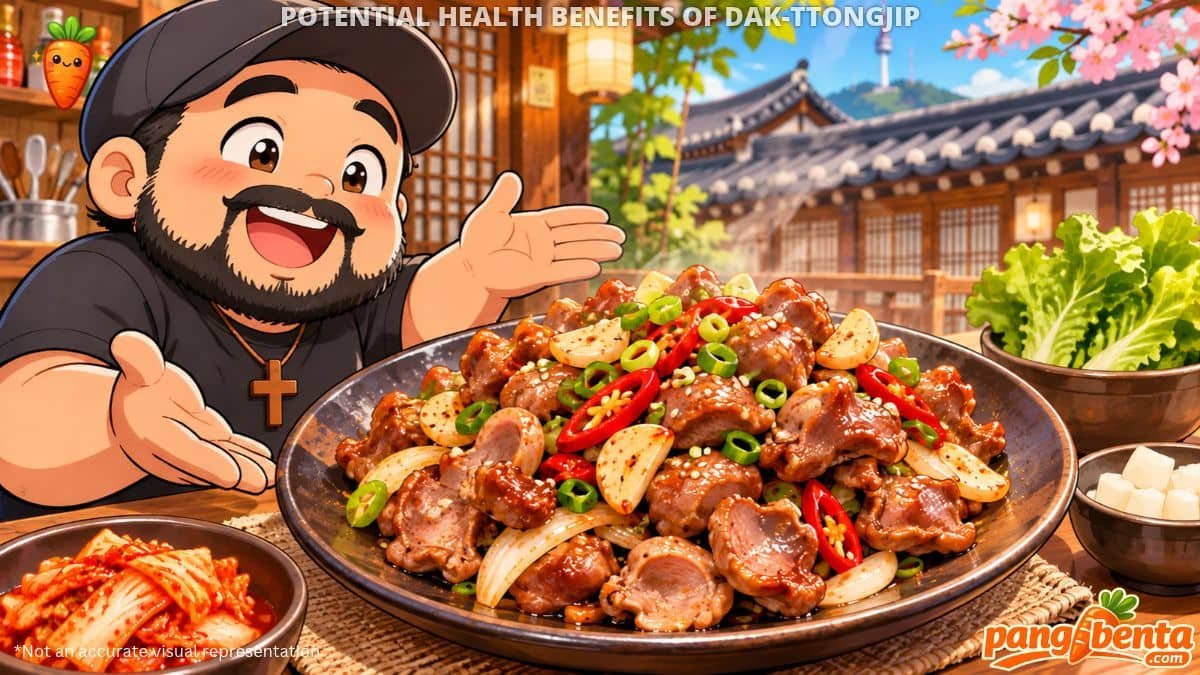
Dak-ttongjip (닭똥집) is a popular Korean dish made from chicken gizzards, often stir-fried with garlic, peppers, and various seasonings. It can also be served deep-fried and is known for its distinctive chewy texture and savory flavor.
Although chicken gizzards may not be everyone’s first choice, they provide an impressive range of nutrients that can contribute to a balanced diet. They contain high-quality protein, essential minerals, and vitamins that support several important bodily functions.
However, the potential health benefits of dak-ttongjip largely depend on its preparation, portion size, and your individual nutritional needs.
Key Takeaways
- Dak-ttongjip is an excellent source of protein, which supports muscle growth, maintenance, and repair.
- It provides iron, zinc, selenium, and B vitamins that contribute to various bodily functions.
- Plain chicken gizzards are relatively low in calories and fat, making them a potentially useful food for weight management.
- Their nutritional content may support immune function, energy metabolism, and red blood cell production.
- Chicken gizzards are high in dietary cholesterol and contain moderate amounts of purines, making mindful consumption important.
- Stir-frying with minimal oil and salt is generally a healthier option than deep-frying.
Nutritional Profile of Dak-ttongjip
Understanding the nutritional composition of chicken gizzards can help us appreciate the potential health benefits of this Korean dish.
According to the United States Department of Agriculture (USDA), 100 grams of plain, simmered chicken gizzards provide approximately the following:
| Nutrient | Amount |
| Calories | 154 kcal |
| Protein | 30.4 g |
| Total fat | 2.7 g |
| Carbohydrates | 0 g |
| Cholesterol | 370 mg |
| Iron | 3.19 mg |
| Zinc | 4.42 mg |
| Selenium | 41.1 mcg |
Chicken gizzards also contain phosphorus, vitamin B12, niacin, and riboflavin.
The nutritional value of a serving of dak-ttongjip may vary depending on the amount of cooking oil, sauces, vegetables, and other ingredients used during preparation.
📙 Potential Health Benefits of Curtido
10 Potential Health Benefits of Dak-ttongjip
1. Supports Muscle Growth and Repair
One of the most notable benefits of dak-ttongjip is its high protein content.
Chicken gizzards provide all nine essential amino acids that our bodies cannot produce on their own in sufficient amounts. These amino acids are necessary for building, maintaining, and repairing muscle tissues.
Including protein-rich foods like dak-ttongjip in a balanced diet may help physically active individuals and older adults meet their protein requirements and maintain muscle mass.
📙 Potential Health Benefits of Cucumber Soup
2. May Help With Weight Management
Plain chicken gizzards are relatively low in calories and fat while being rich in protein.
Protein can help you feel fuller for longer, which may make it easier to manage your appetite and overall calorie intake.
If you’re watching your weight, choosing lightly stir-fried dak-ttongjip instead of the deep-fried version may be a better option. Portion sizes and your overall dietary habits are equally important.
📙 Potential Health Benefits of Coffee Jelly
3. Supports Immune System Function
Dak-ttongjip contains zinc and selenium, two essential minerals that contribute to normal immune system function.
Zinc supports the development and activity of immune cells, while selenium contributes to the regulation of immune responses.
Getting adequate amounts of these nutrients through a varied diet can help maintain your body’s natural defenses.
📙 Potential Health Benefits of Cucumber Sandwiches
4. Contributes to Healthy Red Blood Cell Production
Chicken gizzards provide iron and vitamin B12, both of which are important for healthy red blood cell production.
Iron is necessary for producing hemoglobin, a protein that carries oxygen throughout the body. Meanwhile, vitamin B12 supports normal red blood cell formation.
Consuming foods rich in these nutrients may help reduce the risk of nutrient deficiencies that can lead to certain types of anemia.
📙 Potential Health Benefits of Creamed Corn
5. Supports Energy Metabolism
Dak-ttongjip contains several B vitamins, including niacin, riboflavin, and vitamin B12.
These vitamins participate in metabolic processes that help our bodies break down and utilize nutrients from food.
Although eating chicken gizzards does not necessarily provide an immediate energy boost, their nutritional content contributes to normal energy metabolism.
📙 Potential Health Benefits of Chinese Food
6. Provides Antioxidant Support
Chicken gizzards are a good source of selenium, an essential mineral involved in the body’s antioxidant defense system.
Selenium is a component of certain proteins and enzymes that help protect cells against oxidative damage.
Including selenium-rich foods in your diet can help support normal cellular health and maintain the body’s natural antioxidant defenses.
📙 Potential Health Benefits of Corn Stew
7. Helps Maintain Nervous System Health
The vitamin B12 found in chicken gizzards plays an important role in maintaining a healthy nervous system.
It contributes to the formation and maintenance of myelin, the protective covering surrounding many nerve fibers that helps facilitate the transmission of nerve signals.
Adequate vitamin B12 intake is essential for normal neurological function, making chicken gizzards a useful dietary source of this nutrient.
📙 Potential Health Benefits of Corn Soup
8. Supports Wound Healing and Tissue Repair
The combination of protein and zinc in dak-ttongjip can support the body’s natural tissue repair processes.
Protein supplies the amino acids needed to build and repair tissues, while zinc participates in cell division, protein synthesis, and wound healing.
Meeting your nutritional requirements for these nutrients is important for normal recovery and tissue maintenance.
📙 Possible Health Benefits of Different Dishes
9. Supports Normal Thyroid Function
Another potential benefit of chicken gizzards comes from their selenium content.
The thyroid gland relies on selenium-containing enzymes to help regulate thyroid hormone metabolism, including the conversion of thyroxine (T4) into the more active hormone triiodothyronine (T3).
Thyroid hormones influence several bodily processes, including metabolism, growth, and temperature regulation.
Eating selenium-rich foods can help meet your nutritional requirements for normal thyroid function.
10. May Contribute to Healthy Bones
Chicken gizzards provide protein and phosphorus, both of which contribute to maintaining healthy bones.
Protein helps form the structural framework of bones, while phosphorus works alongside calcium to support bone mineralization.
Although dak-ttongjip is not a particularly rich source of calcium, it can complement calcium-rich foods and other sources of bone-supporting nutrients as part of a balanced diet.
Potential Health Risks of Dak-ttongjip
Despite its nutritional benefits, dak-ttongjip has several potential drawbacks worth considering.
High dietary cholesterol: Chicken gizzards contain considerable amounts of dietary cholesterol. Although saturated fat and overall dietary patterns are generally more important considerations for heart health, individuals with elevated LDL cholesterol or specific cardiovascular concerns may need to limit their intake of cholesterol-rich foods.
Purine content: Chicken gizzards contain moderate amounts of purines, which the body breaks down into uric acid. People with gout or hyperuricemia should be mindful of their consumption, as dietary purines can contribute to elevated uric acid levels and gout flare-ups.
Excessive sodium: Some preparations use generous amounts of salt, soy sauce, and other sodium-rich seasonings. Regularly consuming too much sodium can contribute to high blood pressure.
Added calories and fat: Deep-frying and using excessive amounts of cooking oil can significantly increase the dish’s calorie and fat content.
Foodborne illness: Like other poultry products, chicken gizzards must be handled properly and cooked thoroughly to reduce the risk of foodborne illness caused by harmful bacteria.
How to Make Dak-ttongjip Healthier
You can enjoy the distinctive flavor and texture of dak-ttongjip while improving its overall nutritional profile by making a few simple adjustments.
- Choose light stir-frying or grilling instead of deep-frying.
- Use small amounts of cooking oils rich in unsaturated fats, such as olive or canola oil.
- Reduce the amount of salt and sodium-rich sauces.
- Add vegetables such as onions, bell peppers, and cabbage for additional fiber and nutrients.
- Use garlic, herbs, spices, and other flavorful ingredients to reduce the need for excessive salt.
- Practice portion control and include a variety of protein sources in your diet.
- Pair the dish with water or unsweetened beverages instead of alcohol.
- Cook chicken gizzards to a safe internal temperature of 165°F (74°C), as measured with a food thermometer.
These simple adjustments can help make dak-ttongjip part of a more balanced and nutritious meal.
Conclusion
Dak-ttongjip is more than just a flavorful Korean dish. Its main ingredient, chicken gizzards, provides high-quality protein, essential minerals, and B vitamins that contribute to muscle maintenance, immune function, energy metabolism, and overall health.
However, its cholesterol and purine content, along with the potential for excessive sodium and added fat, makes mindful consumption important.
The potential health benefits of dak-ttongjip are primarily based on the established functions of its nutrients rather than direct clinical evidence demonstrating the health effects of the dish itself.
When prepared thoughtfully and consumed in moderation, dak-ttongjip can be a nutritious addition to a varied and balanced diet for many people.
Frequently Asked Questions (FAQ)
1. Is dak-ttongjip healthy?
Dak-ttongjip can be a nutritious food because it provides protein, iron, zinc, selenium, and B vitamins. However, its overall healthfulness depends on the cooking method, portion size, seasonings, and your individual dietary needs.
2. Is dak-ttongjip good for weight loss?
Dak-ttongjip may support weight management because plain chicken gizzards are naturally high in protein and relatively low in calories and fat. Lightly stir-fried versions are generally more suitable for weight management than deep-fried preparations. Weight loss, however, depends on maintaining an overall calorie deficit over time.
3. Is dak-ttongjip high in cholesterol?
Yes. A 100-gram serving of plain, simmered chicken gizzards contains approximately 370 milligrams of dietary cholesterol. Although dietary cholesterol affects individuals differently, people who need to manage their cholesterol intake should be mindful of portion sizes and their overall eating habits.
4. Can people with gout eat dak-ttongjip?
People with gout should exercise caution when eating dak-ttongjip because chicken gizzards contain moderate amounts of purines that contribute to uric acid production. Depending on your uric acid levels, gout history, and treatment plan, your healthcare provider may recommend limiting or avoiding this dish.
5. Is dak-ttongjip keto-friendly?
Plain chicken gizzards contain virtually no carbohydrates, making them suitable for many low-carbohydrate and ketogenic diets. However, flour coatings, sweetened sauces, and other carbohydrate-rich ingredients can increase the carbohydrate content of the prepared dish.
6. Can I eat dak-ttongjip every day?
Daily consumption may not be ideal, particularly for individuals who need to manage their dietary cholesterol or purine intake. Alternating chicken gizzards with other nutritious protein sources can help promote dietary variety and balance.
7. Does dak-ttongjip help build muscle?
Chicken gizzards provide high-quality protein and essential amino acids needed for muscle growth and repair. However, building muscle also requires adequate overall nutrition, sufficient energy intake, appropriate resistance training, and recovery.
8. What is the healthiest way to prepare dak-ttongjip?
Lightly stir-frying chicken gizzards with vegetables, garlic, small amounts of unsaturated cooking oil, and reduced-sodium seasonings is generally a healthier alternative to deep-frying. Make sure the gizzards are thoroughly cooked before serving.
Content Disclaimer
This article is intended for informational and educational purposes only and should not be considered medical, nutritional, or professional healthcare advice.
The potential health benefits discussed are primarily based on the nutritional composition of chicken gizzards and the established biological functions of their nutrients. Direct clinical evidence regarding the specific health effects of dak-ttongjip is limited, and individual dietary requirements may vary.
If you have gout, high cholesterol, cardiovascular disease, or any other underlying medical condition, consult a qualified healthcare professional or registered dietitian before making significant dietary changes.