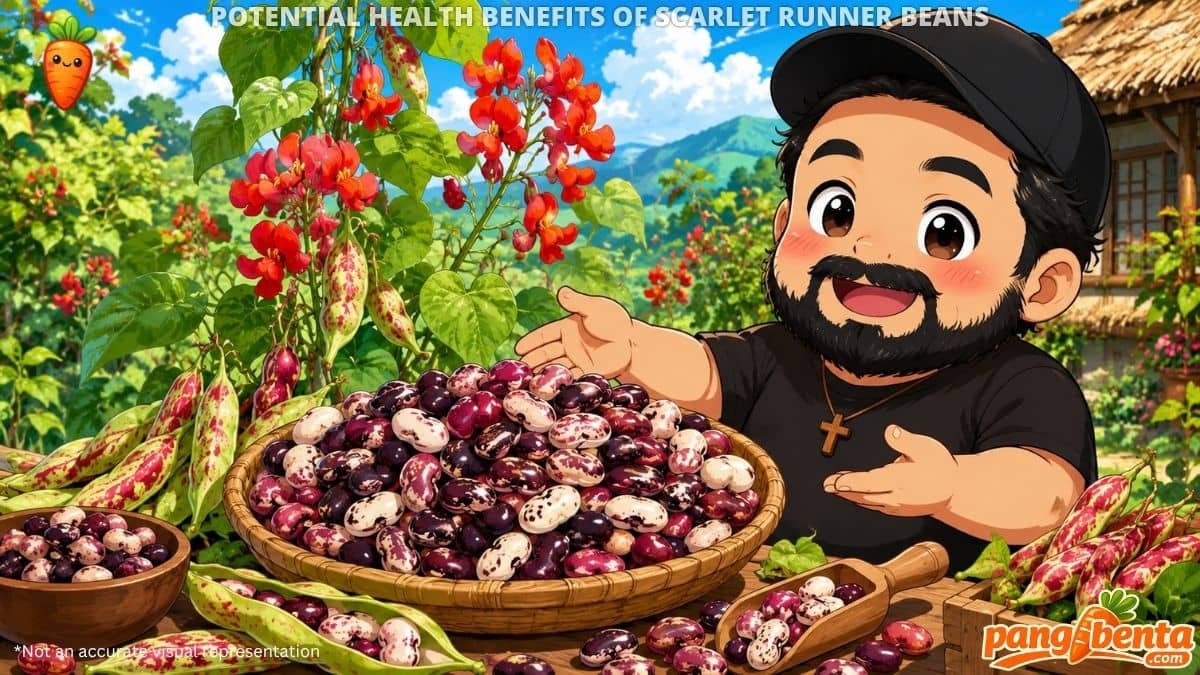
Scarlet runner beans (Phaseolus coccineus) are often grown for their striking red flowers, but they’re much more than an ornamental plant. Their large, colorful seeds are edible and have been enjoyed in many parts of the world for generations. Like other legumes, scarlet runner beans are packed with nutrients that may support overall health when they’re included as part of a balanced diet.
I’ve been writing about the potential health benefits of different foods because living with gouty arthritis made me more interested in nutrition and how everyday foods may support long-term health. While no single food is a cure, learning about nutrient-rich options can help us make more informed dietary choices.
Let’s take a closer look at what scarlet runner beans have to offer.
What Are Scarlet Runner Beans?
Scarlet runner beans belong to the legume family and are native to the mountainous regions of Central America. They produce large pods containing sizeable beans that come in various colors, including black, purple, white, and speckled combinations.
When mature, the beans have a rich, creamy texture and a mild, nutty flavor, making them a great addition to soups, stews, salads, and other hearty dishes.
Like kidney beans and other dried beans, scarlet runner beans must always be thoroughly cooked before eating. Raw or undercooked beans contain naturally occurring compounds that can cause digestive distress.
📙 Potential Health Benefits of Hyacinth Beans
Nutritional Profile
Scarlet runner beans provide a variety of nutrients that contribute to overall health, including:
- Plant-based protein
- Dietary fiber
- Complex carbohydrates
- Folate
- Iron
- Magnesium
- Potassium
- Phosphorus
- Zinc
- Manganese
- Copper
- B vitamins
- Antioxidant compounds such as polyphenols
Their nutritional composition makes them a satisfying and nutrient-dense food for many eating patterns.
📙 Potential Health Benefits of Pigeon Peas
Potential Health Benefits
1. May Support Heart Health
Scarlet runner beans are naturally low in saturated fat and contain fiber, potassium, and magnesium, nutrients that are associated with cardiovascular health.
Soluble fiber may help reduce LDL (“bad”) cholesterol by binding to cholesterol in the digestive tract, while potassium helps support healthy blood pressure by balancing sodium levels. Together, these nutrients can contribute to a heart-friendly diet.
📙 Potential Health Benefits of Yardlong Beans
2. May Help Improve Digestive Health
One of the biggest nutritional strengths of scarlet runner beans is their fiber content.
Dietary fiber helps:
- Promote regular bowel movements
- Support beneficial gut bacteria
- Improve digestive comfort
- Increase feelings of fullness after meals
A healthy gut microbiome also plays an important role in immune function and overall well-being.
📙 Potential Health Benefits of Bitter Leaf and Garlic
3. Can Be a Good Source of Plant Protein
Protein is essential for building and repairing tissues, maintaining muscle mass, and supporting countless biological processes.
Scarlet runner beans provide a substantial amount of plant protein, making them an excellent choice for vegetarians, vegans, or anyone looking to reduce their intake of animal protein.
When combined with whole grains such as brown rice or quinoa, they provide a more complete amino acid profile.
📙 Potential Health Benefits of Konjac
4. May Help with Blood Sugar Management
The combination of fiber, protein, and slowly digested carbohydrates gives scarlet runner beans a relatively low glycemic impact compared to many refined carbohydrate foods.
This slower digestion may help:
- Reduce rapid spikes in blood sugar
- Promote steadier energy levels
- Increase satiety between meals
For individuals managing blood sugar, replacing refined carbohydrates with legumes may be a beneficial dietary strategy.
📙 Potential Health Benefits of Ugu
5. May Support Healthy Weight Management
Scarlet runner beans are filling without being excessively high in calories.
Their combination of protein and fiber helps increase satiety, which may naturally reduce overall calorie intake throughout the day.
Including legumes regularly in meals may make it easier to maintain a healthy weight when paired with an overall balanced diet and regular physical activity.
📙 Potential Health Benefits of Sunflower Microgreens
6. Rich in Antioxidants
Like many colorful legumes, scarlet runner beans contain antioxidant compounds, including polyphenols.
Antioxidants help protect cells from oxidative stress caused by free radicals. Although research is ongoing, diets rich in antioxidant-containing foods have been associated with better long-term health and a lower risk of certain chronic diseases.
📙 Promising Wellness Benefits of Different Vegetables
7. May Support Healthy Red Blood Cell Production
Scarlet runner beans contain iron and folate, two nutrients involved in healthy red blood cell formation.
Iron helps transport oxygen throughout the body, while folate plays a critical role in DNA synthesis and cell division.
Pairing the beans with vitamin C-rich foods, such as tomatoes, bell peppers, or citrus fruits, may improve iron absorption.
8. May Benefit Bone Health
Several minerals found in scarlet runner beans, including magnesium, phosphorus, manganese, and copper, play important roles in maintaining healthy bones.
While calcium and vitamin D receive much of the attention, these additional minerals also contribute to bone structure and normal bone metabolism.
📚 More about Scarlet Runner Beans
9. May Support Healthy Blood Pressure
Potassium and magnesium help regulate normal muscle and nerve function while supporting healthy blood pressure.
Replacing some processed foods with potassium-rich plant foods, including beans, may contribute to better cardiovascular health over time.
10. Naturally Cholesterol-Free and Low in Fat
Scarlet runner beans are naturally cholesterol-free and low in fat, making them a nutritious addition to heart-conscious eating patterns.
When prepared without excessive butter, cream, or processed meats, they fit well into many healthy meal plans.
Are Scarlet Runner Beans Good for People with Gout?
Scarlet runner beans contain moderate amounts of purines, but unlike purines from certain animal foods, purines from legumes have generally not been shown to significantly increase the risk of gout attacks in most people.
Research suggests that beans and other legumes can usually be included as part of a balanced diet for individuals with gout. In fact, their fiber, vitamins, minerals, and plant protein may offer nutritional benefits that outweigh concerns about their purine content.
As with any food, individual tolerance varies. If you have gout, it’s best to pay attention to how your body responds and discuss dietary changes with your healthcare provider if needed.
How to Enjoy Scarlet Runner Beans
Scarlet runner beans are versatile and can be used in many recipes, including:
- Vegetable soups
- Hearty stews
- Bean salads
- Chili
- Grain bowls
- Pasta dishes
- Burritos and tacos
- Side dishes with herbs and olive oil
Dried beans should be soaked according to recipe instructions and cooked thoroughly before consumption.
Tips for Cooking
To improve digestibility and texture:
- Sort and rinse the dried beans before cooking.
- Soak them overnight if desired.
- Discard the soaking water.
- Boil thoroughly until the beans are completely tender.
- Never consume raw or undercooked scarlet runner beans.
Proper cooking also helps reduce naturally occurring compounds such as lectins.
Final Thoughts
Scarlet runner beans are an attractive and highly nutritious legume that deserves more attention. They provide plant protein, fiber, vitamins, minerals, and antioxidants that may support heart health, digestive function, healthy blood sugar, weight management, and overall wellness.
While they are not a miracle food, including scarlet runner beans as part of a varied, balanced diet can be a simple and delicious way to increase your intake of nutrient-dense plant foods. Combined with regular exercise, adequate sleep, and other healthy lifestyle habits, they can contribute to long-term health.
Frequently Asked Questions (FAQ)
1. Are scarlet runner beans edible?
Yes. Both the young pods and mature beans are edible, but mature dried beans must be cooked thoroughly before eating.
2. Do scarlet runner beans taste like kidney beans?
They have a similar creamy texture but tend to have a milder, slightly nuttier flavor.
3. Are scarlet runner beans high in protein?
They are a good source of plant-based protein and can help contribute to daily protein needs, especially in plant-forward diets.
4. Can people with diabetes eat scarlet runner beans?
Many people with diabetes can enjoy beans because their fiber and protein help slow digestion and moderate blood sugar responses. However, individual meal planning should follow a healthcare provider’s recommendations.
5. Are scarlet runner beans safe for people with gout?
For most people, yes. Current evidence suggests legumes generally do not increase gout risk the way certain high-purine animal foods can. Individual responses may differ.
6. Can you eat scarlet runner beans raw?
No. Raw or undercooked scarlet runner beans contain naturally occurring lectins that can cause food poisoning symptoms. Always cook them thoroughly.
7. How often can you eat scarlet runner beans?
They can be enjoyed regularly as part of a balanced diet alongside a variety of vegetables, fruits, whole grains, healthy fats, and other protein sources.
Content Disclaimer
This article is for informational and educational purposes only and should not be considered medical advice. The potential health benefits discussed are based on the nutritional composition of scarlet runner beans and current scientific research on legumes and their nutrients. Individual responses to foods may vary. Always consult a qualified healthcare professional before making significant dietary changes, especially if you have a medical condition such as gout, diabetes, kidney disease, or cardiovascular disease, or if you are taking prescription medications. No single food can prevent, treat, or cure any disease, and the best health outcomes come from an overall balanced diet and healthy lifestyle.