

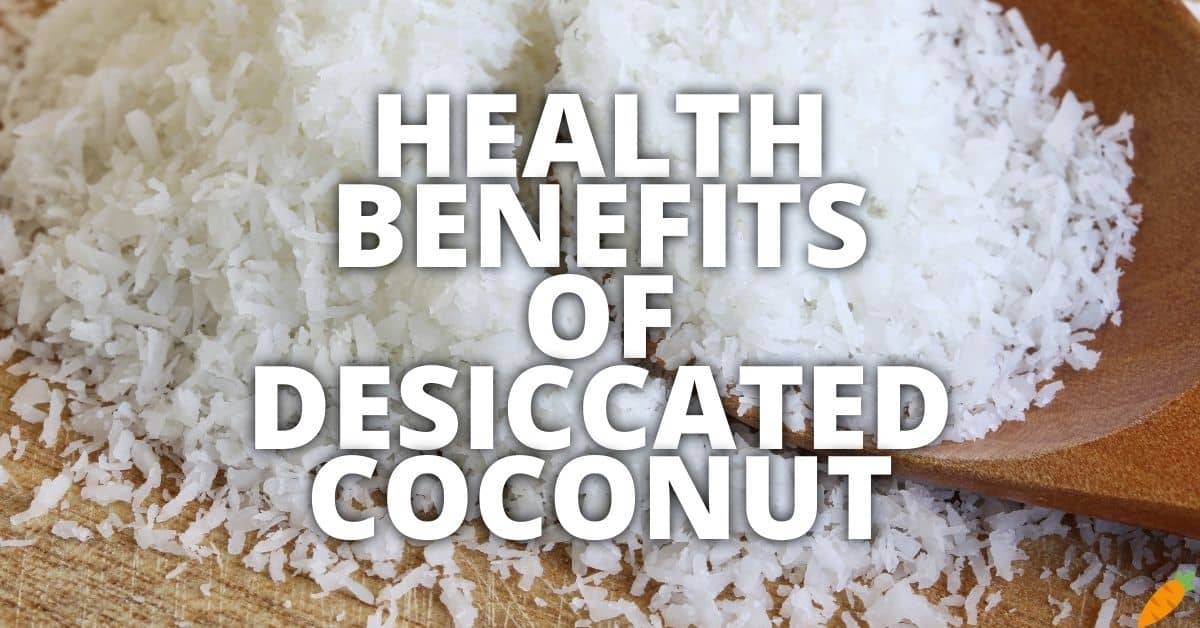
Desiccated coconut is a simple food that offers more than just flavor and texture.
Many people enjoy using it in baking and cooking, but fewer understand the potential health benefits of desiccated coconut when it is eaten in the right amounts.
We’ll explain what desiccated coconut is and how it is made before looking at its nutritional value.
From there, we’ll cover how its fiber, healthy fats, and key minerals may support digestion, heart health, and daily energy.
We’ll also explore its possible role in reducing inflammation and supporting brain and immune health.
By the end, we’ll help you see how desiccated coconut can fit into a balanced and mindful eating plan.
1. Rich In Fiber
Desiccated coconut is high in dietary fiber, which plays an important role in digestion, bowel regularity, and feeling full after meals.
The high fiber content in desiccated coconut includes both insoluble and soluble fiber, and each type supports the body in different ways.
Insoluble fiber helps food move through the digestive tract more smoothly.
It adds bulk to the stool, which can reduce the risk of constipation.
Regular bowel movements help the digestive system work more efficiently.
Over time, this process supports comfort and balance in daily digestion.
Soluble fiber works differently by absorbing water in the stomach.
This creates a thicker mixture that slows digestion.
Slower digestion helps you feel full for a longer time after eating.
Feeling full longer can reduce the urge to snack between meals.
This effect may support better portion control and steady eating habits.
Fiber also helps slow how quickly sugar enters the bloodstream.
More stable blood sugar levels can reduce sudden hunger and cravings.
Fiber from desiccated coconut also supports the growth of helpful gut bacteria.
These bacteria play a key role in digestion and nutrient use.
A healthy balance of gut bacteria supports overall gut health and immune function.
Good gut health can also affect energy levels and mood.
Adding desiccated coconut to meals is one simple way to increase fiber intake.
Because it is calorie-dense, small portions work best.
Drinking enough water helps fiber move smoothly through the digestive system and reduces discomfort.
📙 Potential Health Benefits of Dates Syrup
2. Contains Healthy Fats
Desiccated coconut contains fats that can support health when eaten in the right amounts.
The fats found in desiccated coconut include medium-chain triglycerides, which the body can break down more easily than many other fats.
Because of this, MCTs are quickly used for energy instead of being stored.
This process may help support weight management by helping you feel full after meals.
Feeling satisfied can lower the chance of overeating throughout the day.
MCTs also provide a fast source of energy for the body.
This can be helpful for people who are physically active or need steady energy during the day.
In addition, MCTs can be turned into ketones, which the brain can use for fuel.
This may support focus and clear thinking for some people.
Even though these fats offer benefits, desiccated coconut is still high in calories.
Eating too much can lead to weight gain over time.
For this reason, small portions are important.
Desiccated coconut works best when paired with other foods that provide balance.
Including a mix of fats from nuts, seeds, and fish helps support overall health.
📙 Potential Health Benefits of Custard
3. Boosts Metabolism
The medium-chain triglycerides (MCTs) found in desiccated coconut are known for their potential to boost metabolism, which can be beneficial for weight loss efforts.
Here’s a closer look at how this works:
A. Thermogenesis
MCTs may increase thermogenesis, which is the process of heat production in the body.
This, in turn, can raise your metabolic rate, or the rate at which your body burns calories for energy.
An increased metabolic rate means you’ll be burning more calories throughout the day, even at rest, which can contribute to weight loss when combined with a healthy diet and regular exercise.
B. Fat Oxidation
MCTs have been shown to promote fat oxidation, or the process of breaking down and using stored fat for energy.
This can help reduce body fat levels and contribute to weight loss.
C. Appetite Control
As mentioned earlier, MCTs can increase feelings of fullness and satisfaction, which can help control your appetite and prevent overeating.
This can be particularly helpful for those trying to lose weight by reducing their calorie intake.
Including desiccated coconut in your diet can be a delicious way to take advantage of the metabolism-boosting properties of MCTs.
However, it’s important to remember that moderation is key, as desiccated coconut is calorie-dense, and consuming too much can contribute to weight gain.
To maximize the potential benefits of MCTs, incorporate desiccated coconut into a balanced diet that includes a variety of whole, nutrient-dense foods and combine it with regular exercise and a healthy lifestyle.
📙 Potential Health Benefits of Wonderful Kola
4. Improves Heart Health
Desiccated coconut contains fats that may support heart health when eaten in moderate amounts.
These fats include medium-chain triglycerides, which the body processes differently from many other fats.
One way desiccated coconut may help is by increasing high-density lipoprotein, also known as HDL cholesterol.
HDL cholesterol helps move excess cholesterol out of the bloodstream.
This process can lower the chance of plaque buildup in the arteries.
With less plaque, blood can flow more easily through blood vessels.
Some research suggests that MCTs may also help lower low-density lipoprotein, or LDL cholesterol.
Lower LDL levels reduce strain on the heart over time.
It is important to note that desiccated coconut does contain fats that saturate more easily than unsaturated fats.
As a result, portion control plays an important role in heart health.
Desiccated coconut also provides antioxidants that help protect blood vessels from damage.
These antioxidants may reduce inflammation and limit harmful changes to cholesterol.
For best results, desiccated coconut should be eaten as part of a balanced diet.
Regular exercise and healthy daily habits further support long-term heart health.
📙 Potential Health Benefits of Aam Ka Achar
5. Provides Immune Support
Desiccated coconut contains compounds that may offer immune support by exhibiting antiviral, antibacterial, and antifungal properties.
These properties can contribute to a stronger immune system and better protection against infections.
Here’s a closer look at how desiccated coconut may help:
A. Lauric Acid
Desiccated coconut is a rich source of lauric acid, a medium-chain fatty acid that has been shown to have antimicrobial properties.
Once ingested, lauric acid is converted into monolaurin, a compound that is effective against a variety of pathogens, including viruses, bacteria, and fungi.
This can help the body ward off infections and support overall immune function.
B. Antioxidants
Desiccated coconut is also a source of antioxidants, such as phenolic compounds and certain vitamins, which can help protect the body from oxidative stress and inflammation.
By reducing inflammation and oxidative damage, antioxidants can support the immune system and help it function more effectively in fighting off pathogens.
C. Gut Health
As mentioned earlier, desiccated coconut is high in dietary fiber, which can contribute to a healthy gut.
A well-functioning digestive system is crucial for a strong immune system, as the majority of our immune cells are located in the gut.
By maintaining a healthy gut environment, you’re also supporting your immune system’s ability to fight off infections.
Adding desiccated coconut to your diet can be a delicious way to boost your immune system and enjoy its potential health benefits.
However, remember to consume it in moderation and as part of a balanced diet that includes a variety of other immune-supporting foods, such as fruits, vegetables, whole grains, and lean protein sources.
Maintaining a healthy lifestyle, including regular exercise, adequate sleep, and stress management, is also essential for optimal immune function.
📙 Potential Health Benefits of Gummy Bears
6. Has Anti-Inflammatory Properties
Desiccated coconut has been suggested to possess anti-inflammatory properties, which can contribute to reducing inflammation in the body.
Here’s an overview of how desiccated coconut may help combat inflammation:
A. Healthy Fats
Desiccated coconut is rich in medium-chain triglycerides (MCTs), which have been shown to possess anti-inflammatory effects.
Research has found that MCTs can help reduce the production of inflammatory markers in the body, such as cytokines, which play a role in the inflammation process.
B. Antioxidants
As mentioned earlier, desiccated coconut contains antioxidants, such as phenolic compounds, which can help protect cells from oxidative stress and damage caused by free radicals.
By neutralizing these free radicals, antioxidants can help reduce inflammation and support overall health.
C. Lauric Acid
The lauric acid found in desiccated coconut, as discussed previously, not only has antimicrobial properties but may also contribute to reducing inflammation.
Some studies have suggested that lauric acid can help modulate the immune system’s response, thereby helping to lower inflammation in the body.
Incorporating desiccated coconut into your diet can be a tasty way to enjoy its potential anti-inflammatory benefits.
However, it’s essential to consume it in moderation and as part of a balanced diet that includes other anti-inflammatory foods, such as fruits, vegetables, nuts, seeds, and fish rich in omega-3 fatty acids.
In addition to a healthy diet, engaging in regular exercise, managing stress, and getting adequate sleep can also help reduce inflammation and promote overall well-being.
📙 Potential Health Benefits of Siberian Pine Nut Oil
7. Rich In Iron
Desiccated coconut is a good source of iron, an essential mineral that plays a crucial role in various bodily functions, particularly in the production of red blood cells and the prevention of anemia.
Let’s take a closer look at the importance of iron and how desiccated coconut can help:
A. Red Blood Cell Production
Iron is a key component of hemoglobin, a protein found in red blood cells that helps transport oxygen from the lungs to the rest of the body.
Adequate iron intake is essential for the production of red blood cells and maintaining healthy oxygen levels in the body.
B. Preventing Anemia
Iron deficiency anemia is a common condition that occurs when there is not enough iron in the body, leading to a decrease in the number of red blood cells and a reduced ability to transport oxygen.
Symptoms of anemia can include fatigue, weakness, pale skin, and shortness of breath.
Consuming iron-rich foods, like desiccated coconut, can help ensure you’re getting enough iron in your diet and reduce the risk of developing anemia.
C. Supporting Other Bodily Functions
Iron also plays a role in other important functions, such as supporting a healthy immune system, regulating body temperature, and aiding in cognitive development and function.
Including desiccated coconut in your diet can be a delicious way to boost your iron intake and enjoy its potential health benefits.
To maximize the benefits of iron, incorporate desiccated coconut into a balanced diet that includes a variety of other iron-rich foods, such as leafy green vegetables, legumes, whole grains, and lean meats.
📙 Potential Health Benefits of Halva
8. Good Source Of Minerals
Desiccated coconut is a good source of several essential minerals, including manganese, copper, and selenium, which play vital roles in maintaining overall health and supporting various bodily functions.
Here’s a closer look at the importance of these minerals and how desiccated coconut can contribute to your well-being:
A. Manganese
Manganese is essential for many functions in the body, including bone development, wound healing, and maintaining healthy skin.
It also plays a role in metabolism, helping the body process carbohydrates, proteins, and cholesterol.
Including desiccated coconut in your diet can help ensure you’re getting enough manganese to support these functions.
B. Copper
Copper is crucial for the production of red blood cells and maintaining a healthy immune system.
It also plays a role in nerve function, collagen formation, and energy production.
Consuming desiccated coconut can contribute to your daily copper intake, helping your body perform these vital functions.
C. Selenium
Selenium is a potent antioxidant that aids in preventing cellular damage from free radicals.
It’s also essential for maintaining a healthy immune system and supporting thyroid function.
Including desiccated coconut in your diet can help you reach your daily selenium requirements and enjoy its potential health benefits.
📙 Potential Health Benefits of Buckwheat Honey
9. Supports Skin And Hair Health
Desiccated coconut, with its healthy fats and essential nutrients, can contribute to healthier skin and hair.
Here’s a more detailed look at how desiccated coconut may support skin and hair health:
A. Healthy Fats
The medium-chain triglycerides (MCTs) found in desiccated coconut can help nourish the skin and hair by providing essential fatty acids.
These healthy fats can help moisturize and maintain the skin’s natural barrier function, leading to smoother, more hydrated skin.
They can also contribute to stronger, shinier hair by providing nourishment to hair follicles and improving overall scalp health.
B. Antioxidants
As mentioned earlier, desiccated coconut is a source of antioxidants, such as phenolic compounds and certain vitamins.
These antioxidants can help protect the skin and hair from oxidative stress and damage caused by free radicals and environmental factors, such as pollution and UV radiation.
This can help prevent premature aging, maintain skin elasticity, and promote healthier hair growth.
C. Essential Minerals
Desiccated coconut is rich in essential minerals like manganese, copper, and selenium, which play important roles in skin and hair health.
Manganese, for example, is necessary for collagen production, which is crucial for maintaining skin elasticity and strength.
Copper helps with the formation of melanin, the pigment responsible for hair color, and can also contribute to hair strength.
Selenium, on the other hand, has antioxidant properties that can protect hair follicles and promote healthy hair growth.
📙 Potential Health Benefits of Cake
10. Promotes Brain Health
Desiccated coconut contains medium-chain triglycerides (MCTs) and other nutrients that may help support cognitive function and overall brain health.
Here’s an in-depth look at how desiccated coconut can contribute to brain health:
A. MCTs And Brain Energy
MCTs, such as those found in desiccated coconut, are quickly and efficiently metabolized by the liver and converted into ketones, which can serve as an alternative energy source for the brain.
Ketones have been shown to enhance cognitive function, particularly in individuals with impaired glucose metabolism, such as those with Alzheimer’s disease or other neurodegenerative conditions.
Consuming MCTs may help support brain function by providing a readily available source of energy.
B. Antioxidant Properties
As discussed earlier, desiccated coconut is a source of antioxidants such as phenolic compounds and certain vitamins.
These antioxidants can help protect brain cells from oxidative stress and damage caused by free radicals, which may contribute to the development of neurodegenerative diseases.
By reducing oxidative stress, antioxidants can help maintain brain health and potentially slow down age-related cognitive decline.
C. Anti-Inflammatory Effects
The healthy fats and other nutrients in desiccated coconut have been suggested to possess anti-inflammatory properties.
Chronic inflammation has been linked to various neurological disorders, such as Alzheimer’s disease, Parkinson’s disease, and multiple sclerosis.
By reducing inflammation, desiccated coconut may contribute to better brain health and a lower risk of developing these conditions.
Including desiccated coconut in your diet can be a tasty way to enjoy its potential brain-health benefits.
To maximize the potential benefits for your brain, incorporate desiccated coconut into a balanced diet that includes a variety of other nutrient-rich foods, such as fruits, vegetables, whole grains, and lean protein sources.
Additionally, maintaining a healthy lifestyle that includes regular exercise, proper sleep, and stress management can also contribute to overall brain health.
📙 Possible Health Benefits of Different Foods
11. Versatile Ingredient
Desiccated coconut is a versatile ingredient that can easily be incorporated into a wide range of recipes, making it simple to enjoy its potential health benefits as part of your diet.
Here are some ways that desiccated coconut can be used in different dishes:
A. Baking
Desiccated coconut is a popular addition to baked goods such as cookies, cakes, muffins, and bread.
Its natural sweetness and unique texture can enhance the flavor and appearance of these treats while also providing some of their health benefits.
B. Breakfast Dishes
You can sprinkle desiccated coconut onto oatmeal, yogurt, or smoothie bowls to add a touch of natural sweetness and a slight crunch.
This can help you start your day with a dose of healthy fats, fiber, and essential nutrients.
C. Savory Dishes
Desiccated coconut can be used to thicken curries, soups, and stews, adding richness and depth of flavor.
You can also use it as a coating for fish or chicken before baking or frying, giving your dish a tropical twist.
D. Snacks And Desserts
Desiccated coconut can be combined with nuts, seeds, and dried fruits to create energy bars or balls.
It can also be used as a topping for fruit salads, ice cream, or parfaits.
E. Homemade Coconut Milk
If you’re unable to find coconut milk or prefer to make it from scratch, you can blend desiccated coconut with water and then strain the mixture to obtain fresh coconut milk.
This can be used in various recipes, such as smoothies, curries, and rice dishes.
12. Understanding Calories and the Right Portion Size
Desiccated coconut contains valuable nutrients, but it is also high in calories, which makes portion size important.
Its nutritional profile includes fiber, healthy fats, and minerals, all packed into a small serving.
Because of this density, even a small amount can go a long way.
One to two tablespoons is usually enough to add taste and texture without overdoing calories.
This portion works well as a topping for foods like oatmeal or yogurt.
When paired with fruit or whole grains, desiccated coconut can help create a more balanced meal.
Eating larger amounts, especially in sweets, can quickly raise calorie intake.
Snacks and desserts made with coconut often contain added sugar and fat.
Using desiccated coconut in small, planned portions helps you enjoy its benefits while staying mindful of calories.
📚 More about Desiccated Coconut
💡 Conclusion
Desiccated coconut offers more than flavor, as it provides fiber, healthy fats, and important minerals that support overall health.
When eaten in the right portions, it may help with digestion, heart health, energy levels, and inflammation control.
Its nutrients can also support immune function, brain health, and healthy skin and hair.
Because it is high in calories, mindful portions help you enjoy the benefits without unwanted weight gain.
We’ll encourage using desiccated coconut as part of balanced meals rather than as a frequent snack or dessert base.
With thoughtful use and moderation, desiccated coconut can be a simple and nourishing addition to a healthy eating routine.
⛑️ Safety First
While desiccated coconut offers numerous potential health benefits, it is important to note that some individuals should exercise caution or avoid consuming it altogether.
People with allergies to tree nuts or coconut should avoid desiccated coconut, as it may cause allergic reactions ranging from mild to severe.
It is always a good idea to consult with a healthcare professional, such as a doctor or registered dietitian, before making significant changes to your diet, particularly if you have any pre-existing health conditions or concerns.
Keep in mind that the health benefits mentioned in this article are potential benefits, and not everyone may experience them.
Some of these benefits may be based on anecdotal evidence or individual experiences, and scientific research on the topic may still be ongoing.
To make the most informed decisions about your diet and health, it is essential to conduct your own research, consult with professionals, and consider your unique needs and circumstances.
By taking a thoughtful approach to your dietary choices, you can enjoy the potential health benefits of desiccated coconut while also taking care of your overall well-being.
⚠️ Content Disclaimer
This content is shared for general information and education only.
It is not meant to replace advice from a doctor, dietitian, or other qualified health professional.
Health needs can differ from person to person, so results may vary.
Always talk with a healthcare provider before making changes to your diet or lifestyle, especially if you have a medical condition.
You may also treat this article as a source of general interest or entertainment.
By reading this content, you understand that the information is used at your own discretion.
❓ FAQs
1. Is desiccated coconut the same as shredded coconut?
Desiccated coconut is dried coconut meat that is finely grated and has very little moisture.
Shredded coconut is usually thicker and may contain more moisture.
Both come from coconut, but desiccated coconut is more concentrated and lasts longer.
This makes it better for baking, cooking, and making coconut milk.
2. How much desiccated coconut should I eat in a day?
A common serving size is one to two tablespoons per day.
This amount provides fiber and healthy fats without adding too many calories.
Eating more than this often can increase calorie intake quickly.
Using small portions helps you enjoy the benefits while staying balanced.
3. Is desiccated coconut good for weight loss?
Desiccated coconut may support weight management because its fiber and fats help you feel full.
Feeling full can reduce overeating and frequent snacking.
However, it is high in calories, so portion control is important.
It works best when added to meals rather than eaten alone as a snack.
4. Can people with digestive issues eat desiccated coconut?
Many people tolerate desiccated coconut well, especially in small amounts.
Its fiber can support digestion, but eating too much may cause bloating or discomfort for some people.
Starting with a small portion can help your body adjust.
Drinking enough water also helps fiber move through the digestive system.
5. Is unsweetened desiccated coconut healthier than sweetened versions?
Unsweetened desiccated coconut does not contain added sugar, making it a better choice for overall health.
Sweetened versions can raise calorie and sugar intake without adding extra nutrients.
Reading the ingredient label helps you choose the best option.
Unsweetened coconut works well in both sweet and savory dishes.