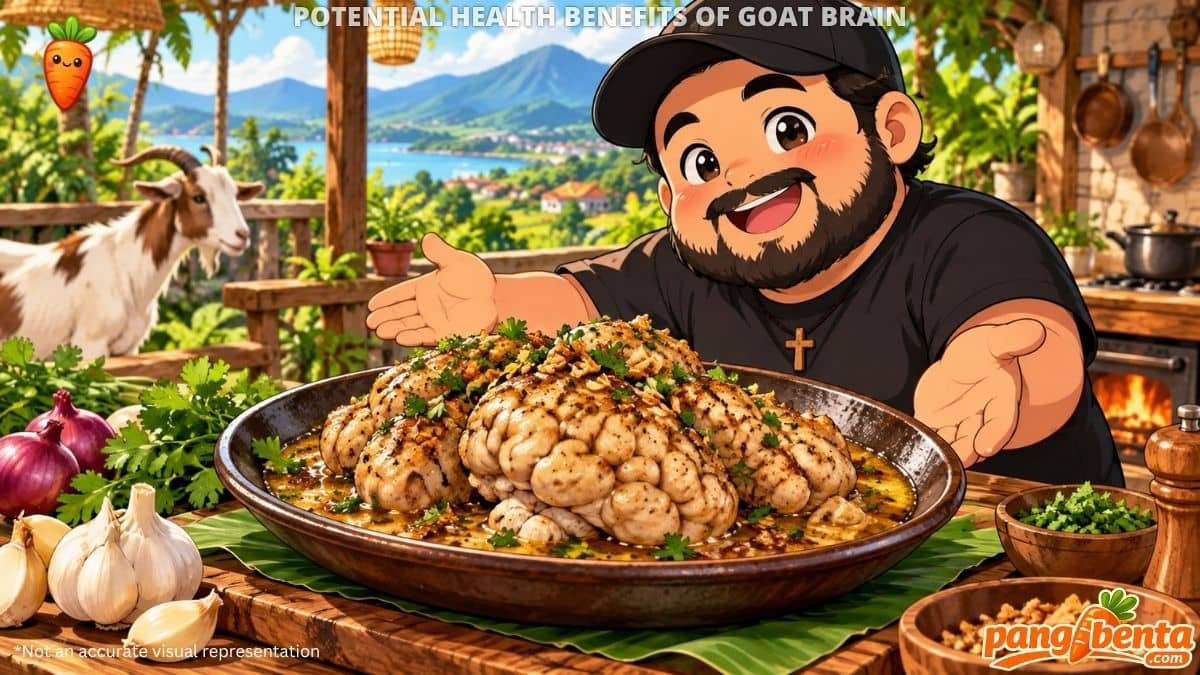
Goat brain might not be the first food that comes to mind when you think about healthy eating, but it’s a traditional delicacy enjoyed in several parts of the world. Known for its soft, creamy texture and mild flavor, goat brain is commonly prepared in curries, sautés, and other regional dishes.
Beyond its culinary appeal, goat brain contains protein, fats, and other compounds involved in important bodily functions. Like other organ meats, however, it also comes with nutritional and food-safety considerations worth understanding.
So, is goat brain actually good for you?
We’ll explore its potential nutritional benefits, explain what the science tells us, and discuss the precautions you should consider before including it in your diet.
Key Takeaways
- Nutritional value: Goat brain contains protein and fats, including cholesterol and phospholipids. Its exact vitamin and mineral content is less well documented than that of commonly consumed meats.
- Brain and nerve health: Brain tissue contains fatty acids and other compounds involved in normal neurological function, but eating goat brain hasn’t been proven to improve memory or cognitive performance.
- Protein and metabolism: Goat brain can contribute protein to your diet, although its nutritional advantages over other protein sources haven’t been established.
- High cholesterol: Animal brain tissue is particularly high in cholesterol, which may be an important consideration for people managing cardiovascular risk.
- Food safety: Proper sourcing, handling, and cooking are essential. Animal brain tissue also requires special attention because of prion-related concerns.
- Overall health: Goat brain may contribute nutrients to your diet, but there’s no convincing evidence that it provides unique health benefits unavailable from more familiar foods.
What Is Goat Brain?
Goat brain is an organ meat obtained from goats and consumed in various traditional cuisines, particularly in parts of South Asia and the Middle East.
It has a delicate, creamy consistency and a relatively mild flavor compared with some other organ meats. Depending on local culinary traditions, it may be cooked with spices, incorporated into curries, or sautéed with herbs and vegetables.
Unlike ordinary muscle meat, brain tissue has a distinctive fat composition. It contains cholesterol and phospholipids, which are important structural components of nerve cells.
Although goat brain contains nutrients, its nutritional profile shouldn’t automatically be assumed to match that of beef, lamb, or other animal brains.
📙 Potential Health Benefits of Crocodile Meat
Goat Brain Nutrition Facts
Goat brain contains a combination of protein, fat, and other biological compounds. However, comprehensive nutritional data specifically for goat brain are not as readily available as those for more commonly consumed animal products.
The following table highlights nutrients and compounds relevant to understanding its potential nutritional value.
| Nutrient or Compound | Role in the Body |
| Protein | Supports tissue repair, muscle maintenance, and enzyme production |
| Fatty acids | Contribute to cell membrane structure and normal cellular functions |
| Cholesterol | Helps form cell membranes and serves as a precursor for certain hormones |
| Choline-containing compounds | Contribute to cell membrane structure and normal cellular processes |
| Vitamin B12 | Supports nerve function, DNA synthesis, and red blood cell production |
| B vitamins | Help the body process nutrients and maintain normal metabolism |
| Minerals | Support various functions, including bone maintenance, immune activity, and energy metabolism |
While these nutrients perform essential functions, their presence in a food doesn’t necessarily mean that the food provides substantial amounts.
For example, goat brain may contain certain vitamins and minerals, but without reliable measurements, it would be premature to describe it as an excellent source of those nutrients.
The most meaningful way to assess its nutritional value is to consider the amount of each nutrient provided in a typical serving and how that compares with your daily requirements.
📙 Potential Health Benefits of Kadaknath Chicken
Potential Health Benefits of Goat Brain
Goat brain contains nutrients and compounds associated with several important bodily functions, including cell maintenance, nerve communication, and energy metabolism.
However, most of the potential benefits discussed below are based on what scientists know about individual nutrients rather than clinical studies examining the effects of eating goat brain.
1. May Provide Omega-3 Fatty Acids
Omega-3 fatty acids are important dietary fats involved in cardiovascular health, brain development, and normal cellular function.
One particularly important omega-3 fatty acid is docosahexaenoic acid (DHA), which is a structural component of brain and retinal cell membranes.
DHA plays an essential role in normal brain development and function, particularly during pregnancy and early childhood. Omega-3 fatty acids also participate in processes involved in inflammation regulation and cardiovascular health.
Because animal brain tissue contains fatty acids associated with nerve cell membranes, goat brain may provide some DHA and other omega-3 fats.
However, its exact omega-3 content isn’t well established in widely available nutritional references. This makes it difficult to determine whether a typical serving provides a meaningful amount.
Although adequate omega-3 intake supports health, there’s insufficient direct evidence that eating goat brain improves memory, prevents cognitive decline, or reduces the risk of heart disease.
If you’re primarily interested in increasing your omega-3 intake, fatty fish such as salmon, sardines, and mackerel are better-established dietary sources of EPA and DHA.
📙 Potential Health Benefits of Chicken Wings
2. Provides Protein for Tissue Maintenance
Protein is essential for building and maintaining muscles, repairing damaged tissues, and producing enzymes, hormones, and other important molecules.
Like other animal tissues, goat brain contains protein made up of amino acids that the body uses for growth and maintenance.
Getting enough protein is especially important as we age because it helps preserve muscle mass and supports recovery from physical activity.
Protein also contributes to normal immune function and helps maintain the structure of various tissues throughout the body.
However, goat brain shouldn’t automatically be considered a lean or particularly protein-rich food. Its protein content needs to be evaluated alongside its fat content and compared with other foods.
While goat brain can contribute protein to your diet, familiar foods such as fish, poultry, eggs, dairy products, and legumes are more established options for meeting daily protein requirements.
📙 Potential Health Benefits of Chitterlings
3. May Contribute Vitamin B12 for Nerve Health
Vitamin B12 is an essential nutrient involved in several important bodily processes, particularly those affecting the nervous system and red blood cells.
It helps maintain healthy nerve cells, supports DNA synthesis, and contributes to the production of red blood cells that transport oxygen throughout the body.
A prolonged vitamin B12 deficiency can cause anemia, fatigue, numbness, tingling, and neurological problems.
Animal-derived foods are major dietary sources of vitamin B12, and animal brain tissue may contribute this nutrient. However, reliable measurements are needed to determine how much vitamin B12 goat brain provides.
Fortunately, you don’t need to rely on goat brain to obtain this vitamin. Fish, meat, dairy products, eggs, and fortified foods are established dietary sources.
Maintaining adequate vitamin B12 intake is particularly important for older adults and people with conditions that interfere with nutrient absorption.
📙 Potential Health Benefits of Cecina

4. Contains Compounds Associated With Choline and Brain Function
Choline is an essential nutrient involved in brain development, nerve communication, and cell membrane structure.
Your body uses choline to produce acetylcholine, a neurotransmitter involved in memory, muscle control, and other nervous system functions.
Choline also contributes to normal liver function by helping the body transport and metabolize fats.
Brain tissue contains phospholipids that incorporate choline, including phosphatidylcholine. However, the amount of nutritionally available choline in goat brain requires reliable composition data.
Although adequate choline intake is important for normal neurological function, there’s no convincing evidence that eating goat brain directly improves memory, intelligence, or cognitive performance.
You can obtain choline from everyday foods such as eggs, fish, meat, soybeans, and certain vegetables.
📙 Potential Health Benefits of Chicken Skin
5. May Supply Essential Minerals
Minerals are essential for maintaining numerous bodily functions, including oxygen transport, immune defense, cellular growth, and energy metabolism.
Several minerals commonly found in animal-derived foods include:
- Iron: Helps produce hemoglobin, the protein in red blood cells responsible for transporting oxygen throughout the body.
- Zinc: Supports immune function, wound healing, and DNA synthesis.
- Selenium: Contributes to antioxidant defense and normal thyroid function.
- Phosphorus: Helps maintain bones and teeth while supporting cellular energy processes.
- Copper: Supports connective tissue formation, iron metabolism, and normal nervous system function.
Although these minerals are important for health, their concentrations in goat brain need to be established before the food can be described as a good or excellent source of any particular mineral.
It’s also worth remembering that a food can contain several minerals without providing enough of each to make a meaningful contribution to your daily nutritional requirements.
A varied diet that includes vegetables, legumes, whole grains, nuts, and appropriate animal-derived foods can help you obtain these minerals without depending on a single food source.
📙 Potential Health Benefits of Carne Seca
6. May Contribute B Vitamins Involved in Energy Metabolism
B vitamins play important roles in helping your body process carbohydrates, fats, and proteins.
Two vitamins worth considering in the nutritional assessment of goat brain are riboflavin (vitamin B2) and pantothenic acid (vitamin B5).
Riboflavin (vitamin B2) supports energy metabolism and normal cellular function. It also contributes to antioxidant defense through enzyme systems that help protect cells from oxidative damage.
Pantothenic acid (vitamin B5) is necessary for producing coenzyme A, a compound involved in fatty acid metabolism and numerous biochemical reactions.
Both vitamins are essential for maintaining normal physiological functions. However, consuming more than your body needs doesn’t necessarily increase your energy levels or improve physical performance.
Whether goat brain provides meaningful amounts of these vitamins depends on its actual nutrient composition and the quantity consumed.
📙 Potential Health Benefits of Bresaola
Potential Risks and Side Effects of Eating Goat Brain
While goat brain may provide nutrients, its potential risks deserve careful consideration.
Some concerns relate to its cholesterol content, while others involve the special food-safety issues associated with animal brain tissue.
1. High Cholesterol Content
Animal brain tissue is generally very high in cholesterol.
Cholesterol is essential for producing certain hormones, forming cell membranes, and supporting other physiological functions. However, your liver already produces the cholesterol your body needs.
Dietary cholesterol can influence blood cholesterol levels, although the response varies among individuals.
Saturated fat intake, genetics, overall dietary patterns, and existing health conditions also affect LDL cholesterol levels and cardiovascular risk.
For cardiovascular health, dietary guidelines generally emphasize replacing saturated fats with unsaturated fats and consuming more fiber-rich foods.
If you have elevated LDL cholesterol, cardiovascular disease, or another condition requiring dietary management, it’s worth discussing goat brain consumption with your healthcare professional.
2. Prion-Related Food Safety Concerns
Animal brain tissue requires special consideration because certain animals can develop diseases associated with prions.
Prions are abnormally folded proteins associated with rare, progressive, and fatal neurological diseases known as transmissible spongiform encephalopathies.
Goats and sheep can develop scrapie, a prion disease affecting their nervous systems.
Importantly, there is currently no established evidence that scrapie naturally transmits to humans. However, scientific uncertainty remains concerning some aspects of cross-species transmission.
This distinction matters because not all animal prion diseases have the same implications for human health. Bovine spongiform encephalopathy (BSE), for example, has been linked to variant Creutzfeldt-Jakob disease in humans.
Another important consideration is that prions are unusually resistant to conventional cooking temperatures. Ordinary cooking methods cannot be relied upon to eliminate prion contamination.
For these reasons, goat brain should only be obtained from sources that comply with applicable animal-health inspections and food-safety regulations.
3. Foodborne Illness
Like other animal products, goat brain can become contaminated with harmful microorganisms during slaughter, processing, storage, or preparation.
Improper handling and insufficient cooking may increase the risk of foodborne illness.
To reduce these risks:
- Purchase goat brain only from reputable, appropriately inspected suppliers.
- Keep it refrigerated and separate from ready-to-eat foods.
- Wash your hands thoroughly after handling raw animal tissues.
- Clean and sanitize knives, cutting boards, and preparation surfaces.
- Follow applicable food-safety recommendations for thorough cooking.
- Avoid consuming raw or undercooked goat brain.
These precautions help reduce common foodborne hazards, although they don’t eliminate the special concerns associated with prions.
4. Considerations for People With Certain Health Conditions
Some individuals may need to be particularly cautious about eating goat brain.
People with elevated LDL cholesterol or cardiovascular disease should consider its high cholesterol content when planning their diets.
Those with gout or elevated uric acid should also pay attention to organ meat consumption. Some organ meats are rich in purines, which the body breaks down into uric acid.
However, reliable goat-brain-specific purine measurements are needed to determine its exact contribution to dietary purine intake.
People with kidney disease or other conditions requiring restrictions on specific nutrients may also need individualized guidance.
Pregnant individuals, young children, older adults, and people with weakened immune systems should be especially cautious about foods with uncertain sourcing or handling practices.
📙 Likely Wellness Benefits of Different Meats
How to Prepare Goat Brain Safely
If goat brain is part of your traditional cuisine, safe sourcing and preparation should be your first priorities.
Before purchasing it, make sure the product comes from a legally operating, appropriately inspected supplier and is permitted for human consumption under local regulations.
Once purchased, keep it refrigerated, prevent cross-contamination with other foods, and prepare it using clean utensils and surfaces.
Goat brain is commonly cooked in curries or sautéed with herbs and spices. These methods can make it flavorful, but proper cooking should follow applicable food-safety guidance rather than relying on appearance alone.
Avoid raw or undercooked preparations.
It’s also important to remember that cooking cannot compensate for unsafe sourcing, particularly when it comes to prion-related hazards.
Is Goat Brain Healthier Than Other Organ Meats?
Not necessarily.
Different organ meats have distinct nutritional profiles, and their potential benefits depend on the nutrients they contain.
For example, liver is a well-established source of vitamin A and vitamin B12, while heart and kidney provide their own combinations of protein, vitamins, and minerals.
Brain tissue differs from these organs because of its distinctive lipid composition and particularly high cholesterol content.
Whether goat brain is a suitable food for you depends on your nutritional needs, existing health conditions, and the safety of the product.
For most people, a varied diet that includes vegetables, fruits, whole grains, legumes, and suitable protein sources is a more reliable way to meet nutritional requirements than depending on any single organ meat.
Frequently Asked Questions
1. Is goat brain healthy to eat?
Goat brain contains protein, fats, and other compounds involved in normal bodily functions. However, its high cholesterol content and special food-safety considerations mean it shouldn’t automatically be considered a healthy food for everyone. Its suitability depends on your health, dietary needs, and the safety of the product.
2. Is goat brain good for memory?
There’s no convincing direct clinical evidence that eating goat brain improves memory or intelligence. Although brain tissue contains compounds involved in neurological function, consuming those compounds doesn’t necessarily improve cognitive performance.
3. Is goat brain high in cholesterol?
Yes. Animal brain tissue is generally very high in cholesterol. People with elevated LDL cholesterol or cardiovascular conditions should consider this when planning their diets and seek individualized guidance when necessary.
4. Can people with gout eat goat brain?
People with gout should be cautious about organ meats because some contain substantial amounts of purines. However, goat-brain-specific purine data are limited, making its exact effect on uric acid levels uncertain. If you have gout, consult your healthcare professional about whether it fits your dietary management plan.
5. Is goat brain safe to eat during pregnancy?
Pregnant individuals should be particularly careful about food safety. Because animal brain tissue presents additional sourcing considerations, avoiding goat brain from uncertain or uninspected sources is especially important. Consulting a healthcare professional before consuming it is advisable.
6. Can goat brain be eaten raw?
Eating raw goat brain is not recommended. Raw animal tissues can contain harmful microorganisms, and brain tissue has additional safety considerations. Thorough cooking helps reduce common foodborne risks but cannot reliably eliminate prions.
7. How often can you eat goat brain?
There is no scientifically established optimal or universally safe frequency for consuming goat brain. Its high cholesterol content, individual health considerations, and sourcing requirements should all influence whether and how often it is eaten.
8. Is goat brain a good source of omega-3 fatty acids?
Animal brain tissue contains fatty acids involved in nerve cell structure, including DHA. However, reliable goat-brain-specific measurements are needed to determine whether a typical serving provides a substantial amount of omega-3 fatty acids. Fatty fish remains a better-established dietary source of EPA and DHA.
9. What are healthier alternatives to goat brain?
If your goal is to obtain nutrients that support brain health, nerve function, and normal metabolism, several familiar foods can help.
Fatty fish provides omega-3 fatty acids, eggs supply choline and vitamin B12, and legumes, dairy products, lean meats, nuts, and fortified foods contribute other essential nutrients.
These foods can help you meet your nutritional needs without relying on animal brain tissue.
Conclusion
Goat brain is a traditional food with a distinctive texture and a nutritional composition that includes protein, fats, and other biologically important compounds.
Some nutrients associated with animal brain tissue play essential roles in neurological function, tissue maintenance, and energy metabolism. However, the established functions of these nutrients shouldn’t be confused with proven health benefits from eating goat brain.
Current evidence doesn’t establish that goat brain improves memory, prevents disease, or provides unique nutritional advantages over more familiar foods.
Its high cholesterol content and special food-safety considerations also deserve attention, particularly for people with existing health conditions.
If you choose to eat goat brain, make sure it comes from an appropriately inspected source and is handled and prepared safely.
Ultimately, you don’t need to eat goat brain to maintain good health. A balanced, varied diet remains one of the most reliable ways to obtain essential nutrients while managing nutritional risks.
Content Disclaimer
This article is intended for general educational and informational purposes only. It is not a substitute for professional medical advice, diagnosis, or treatment.
Research specifically examining the nutritional composition and health effects of goat brain consumption is limited. The potential benefits discussed are primarily based on the established functions of individual nutrients and should not be interpreted as proven health outcomes from eating goat brain.
Always consult a qualified healthcare professional or registered dietitian before making significant dietary changes, particularly if you have an existing medical condition, are pregnant, take medications, or follow a medically restricted diet.
Food-safety regulations and recommendations may vary by location. Always follow applicable local guidance regarding the sourcing, handling, preparation, and consumption of animal brain tissue.