
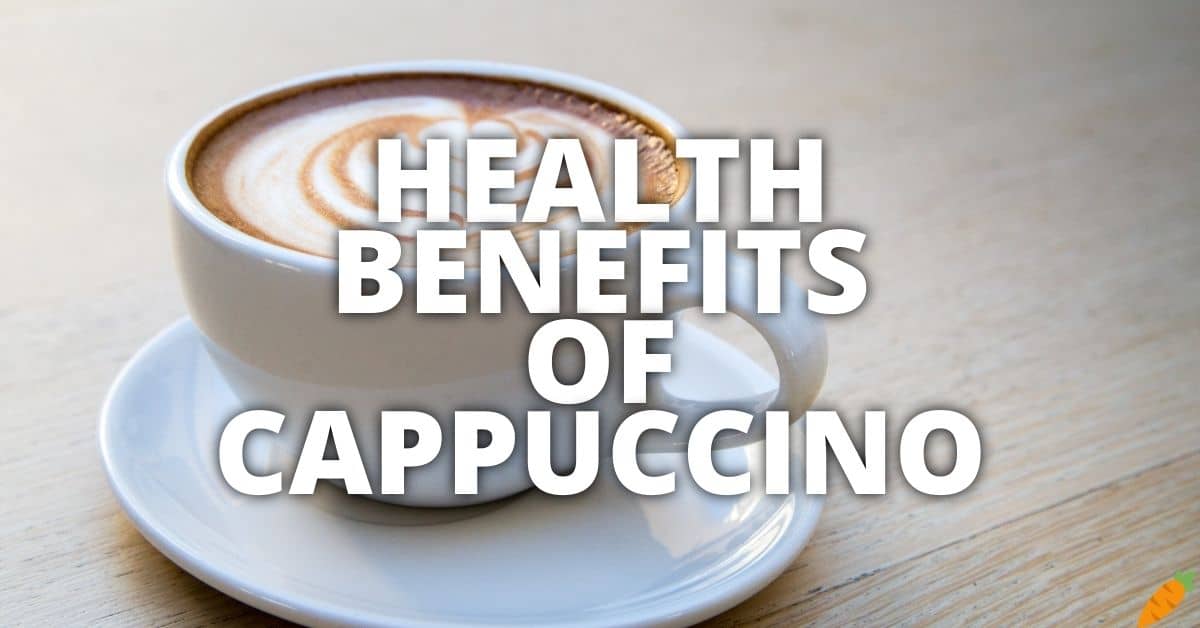
There’s something comforting about a warm cup of cappuccino. Whether you enjoy one to start your morning or as an afternoon pick-me-up, this classic Italian coffee drink is loved around the world for its rich espresso, creamy steamed milk, and smooth milk foam.
But beyond its delicious taste, you might wonder: Can a cappuccino be good for your health?
The short answer is it may be.
Because cappuccinos are made with espresso, they contain many of the same naturally occurring compounds found in coffee, including caffeine and antioxidants. Research suggests that moderate coffee consumption may be associated with several health benefits, ranging from increased alertness to a lower risk of certain chronic diseases. At the same time, the milk in a cappuccino contributes nutrients such as protein and calcium.
It’s important to remember that most of the health benefits discussed below are linked to moderate coffee consumption, not cappuccinos specifically. Adding large amounts of sugar, flavored syrups, whipped cream, or other high-calorie ingredients may reduce some of these potential benefits.
Let’s take a closer look at what current research suggests.
Key Takeaways
- A cappuccino is made with espresso, steamed milk, and milk foam.
- Most of its potential health benefits come from the coffee, while the milk provides nutrients such as calcium and protein.
- Moderate coffee consumption has been associated with increased alertness and a lower risk of certain chronic diseases, although more research is needed.
- Plain cappuccinos are generally a healthier choice than those with added sugar, flavored syrups, or whipped cream.
- Cappuccino is best enjoyed in moderation as part of a balanced diet and healthy lifestyle.
What Is a Cappuccino?
A cappuccino is a traditional Italian coffee beverage made with three main ingredients:
- One shot of espresso
- Steamed milk
- Milk foam
These ingredients are typically combined in roughly equal proportions, creating a rich coffee flavor balanced by a creamy texture.
Many people enjoy sprinkling cocoa powder or cinnamon on top for added flavor.
Compared with black coffee, a cappuccino contains additional nutrients from the milk, including calcium, protein, vitamin B12, riboflavin, and phosphorus.
📙 Potential Health Benefits of Camote Tops Juice
Nutrition Facts
The nutrition of a cappuccino varies depending on the type of milk and whether sugar or flavored syrups are added.
A typical plain cappuccino made with low-fat milk provides approximately:
- Calories: 70–120
- Protein: 4–6 grams
- Fat: 2–5 grams
- Carbohydrates: 6–10 grams
- Calcium: About 15–20% of the Daily Value
- Caffeine: Approximately 60–80 mg (depending on the espresso shot)
Keep in mind that flavored syrups, whipped cream, and extra sugar can significantly increase the calorie and sugar content.
📙 Potential Health Benefits of Blueberry Wine
1. May Boost Energy Levels
One of the most well-known benefits of cappuccino comes from its caffeine content.
Caffeine is a natural stimulant that blocks adenosine, a chemical in the brain that promotes feelings of tiredness. As a result, many people feel more awake, alert, and energized after drinking coffee.
Depending on your caffeine sensitivity and the amount consumed, these effects can last for several hours.
That’s one reason many people enjoy a cappuccino first thing in the morning or during an afternoon slump.
📙 Potential Health Benefits of Blue Tea
2. May Improve Mental Alertness and Cognitive Function
Besides increasing energy, caffeine may temporarily improve several aspects of brain function.
Research suggests it may help enhance:
- Alertness
- Concentration
- Attention
- Reaction time
- Short-term memory
- Mood
Some long-term observational studies have also found that moderate coffee consumption may be associated with a slower rate of age-related cognitive decline. However, these studies show associations rather than proving that coffee directly protects the brain.
📙 Potential Health Benefits of Blackberry Wine
3. Rich in Antioxidants
Coffee is one of the richest dietary sources of antioxidants for many adults.
It contains beneficial compounds such as chlorogenic acids, hydrocinnamic acids, and polyphenols that help neutralize free radicals, unstable molecules that can damage cells over time.
These antioxidants may help reduce oxidative stress, which is linked to aging and several chronic diseases.
Although fruits and vegetables should remain your primary source of antioxidants, enjoying a cappuccino may contribute to your overall antioxidant intake.
📙 Potential Health Benefits of Bissy Tea
4. Provides Calcium and Protein
Unlike black coffee, cappuccino contains milk, which adds important nutrients that support overall health.
Milk is a good source of:
- Calcium for healthy bones and teeth
- Protein for muscle maintenance and repair
- Vitamin B12 for nerve function and red blood cell production
- Riboflavin (Vitamin B2) for energy metabolism
- Phosphorus for healthy bones and cells
While a single cappuccino isn’t enough to meet your daily nutritional needs, it can contribute to a balanced diet.
📙 Potential Health Benefits of Birch Bark Tea
5. May Support Heart Health
Heart disease remains one of the leading causes of death worldwide.
Interestingly, several large observational studies have found that moderate coffee consumption may be associated with a lower risk of cardiovascular disease.
Researchers believe coffee’s antioxidants and other naturally occurring compounds may help support healthy blood vessels and reduce inflammation.
However, these benefits are generally associated with moderate coffee intake. Drinking excessive amounts of coffee or regularly consuming high-sugar coffee beverages may not provide the same advantages.
📙 Potential Health Benefits of Sun Tea
6. May Lower the Risk of Stroke
Several observational studies have reported that people who drink coffee regularly may have a lower risk of stroke than those who rarely drink it.
Scientists believe coffee’s antioxidants and anti-inflammatory compounds may contribute to healthier blood vessels and improved circulation.
It’s worth noting that these findings show an association rather than a direct cause-and-effect relationship. More high-quality research is needed to better understand how coffee may influence stroke risk.
📙 Promising Health Benefits of Different Drinks
7. May Lower the Risk of Type 2 Diabetes
Type 2 diabetes affects millions of people worldwide and is strongly influenced by lifestyle factors.
Research has consistently found that regular coffee drinkers tend to have a lower risk of developing Type 2 diabetes.
Coffee contains several bioactive compounds that may improve insulin sensitivity and support normal glucose metabolism.
Keep in mind that these potential benefits are most closely associated with plain coffee. Frequently adding sugar, sweetened syrups, or other high-calorie ingredients to your cappuccino may offset some of these positive effects.
8. May Reduce the Risk of Parkinson’s Disease
Parkinson’s disease is a progressive neurological disorder that affects movement and coordination.
Several studies suggest that moderate coffee consumption may be associated with a lower risk of developing Parkinson’s disease.
Although the exact reason isn’t fully understood, caffeine appears to interact with certain brain pathways that may help protect dopamine-producing nerve cells.
Researchers continue to study this relationship, but current evidence is encouraging.
9. May Reduce the Risk of Alzheimer’s Disease
Some research suggests that people who regularly consume moderate amounts of coffee may have a lower risk of developing Alzheimer’s disease and other forms of dementia.
Scientists believe caffeine and other naturally occurring compounds in coffee may help reduce inflammation and oxidative stress, both of which have been linked to cognitive decline.
While these findings are promising, additional research is needed before any firm conclusions can be made.
10. May Enhance Physical Performance
Many athletes and fitness enthusiasts consume coffee before exercise, and for good reason.
Caffeine may temporarily improve physical performance by:
- Increasing alertness
- Reducing the perception of fatigue
- Improving endurance
- Increasing adrenaline levels
- Encouraging the body to use stored fat as an energy source during exercise
These effects are generally modest but may provide a small performance boost when combined with regular exercise and a healthy lifestyle.
Tips for Enjoying Cappuccino More Healthfully
If you’d like to enjoy the potential health benefits of cappuccino while keeping it nutritious, consider these simple tips:
- Choose plain cappuccinos whenever possible.
- Limit added sugar and flavored syrups.
- Select low-fat or unsweetened plant-based milk if appropriate.
- Avoid drinking cappuccino too close to bedtime if caffeine affects your sleep.
- Enjoy it as part of a balanced diet rather than relying on it for health benefits.
Conclusion
A cappuccino is much more than a delicious coffee drink.
Because it’s made with espresso, it contains caffeine and antioxidants that research has linked to several potential health benefits, including improved alertness, enhanced mental performance, and a lower risk of certain chronic diseases. The milk also contributes valuable nutrients such as calcium and protein.
That said, no single food or beverage can guarantee good health. Most of the benefits discussed in this article are associated with moderate coffee consumption and healthy lifestyle habits rather than cappuccino alone.
If you enjoy cappuccinos, choosing a plain version and limiting added sugar can help you get the most out of every cup.
Personally, my favorite potential health benefit of cappuccino is its antioxidant content. I enjoy coffee regularly, although I usually drink black coffee because it fits better with my intermittent fasting routine. Still, every now and then, a well-made cappuccino is a delicious treat.
How about you? What’s your favorite thing about cappuccino?
If you found this article helpful, please consider sharing it with your family and friends.
Thank you for reading, and as always…
Stay healthy and stay safe!
Frequently Asked Questions (FAQ)
1. Is it okay to drink a cappuccino every day?
For most healthy adults, enjoying a plain cappuccino daily is generally considered safe when consumed in moderation. Health authorities typically recommend limiting caffeine intake to no more than 400 mg per day, which is roughly equivalent to four or five shots of espresso, depending on their strength.
If your cappuccino contains one shot of espresso, it’s well within this recommended limit for most people.
2. Is a cappuccino healthier than regular coffee?
Neither beverage is necessarily “healthier”; they simply have different nutritional profiles.
Black coffee is very low in calories and contains virtually no fat or carbohydrates, making it a popular choice for people who are fasting or watching their calorie intake.
A cappuccino contains the same coffee compounds but also provides nutrients from milk, including protein, calcium, vitamin B12, riboflavin, and phosphorus. The trade-off is that it also contains more calories than black coffee.
The healthier option depends on your nutritional needs and personal goals.
3. Does a cappuccino contain more caffeine than regular coffee?
Not necessarily.
A traditional cappuccino usually contains one shot of espresso, which provides approximately 60–80 mg of caffeine.
An average 8-ounce (240 mL) cup of brewed coffee often contains 80–100 mg or more, although the exact amount varies depending on the brewing method and coffee beans used.
In many cases, brewed coffee actually contains slightly more caffeine than a cappuccino.
4. Can cappuccino help with weight loss?
A cappuccino isn’t a weight-loss drink, but it may fit into a healthy weight-management plan.
Caffeine may temporarily increase metabolism and fat oxidation, and it can also help reduce feelings of fatigue during exercise.
However, these effects are generally modest. Sustainable weight loss still depends on maintaining a balanced diet, staying physically active, getting adequate sleep, and consuming an appropriate number of calories.
Choosing a plain cappuccino without added sugar is usually the better option if you’re trying to manage your weight.
5. Is cappuccino good before a workout?
Many people enjoy a cappuccino 30 to 60 minutes before exercising.
The caffeine may improve alertness, reduce the perception of fatigue, and provide a modest boost in endurance and performance.
Keep in mind that everyone responds differently to caffeine. If you’re sensitive to it, you may experience jitteriness or stomach discomfort.
6. Is cappuccino acidic?
Coffee is naturally acidic, and for some people it may worsen acid reflux, heartburn, or stomach irritation.
Milk can make cappuccino taste smoother and less bitter, but it doesn’t completely eliminate coffee’s acidity.
If coffee regularly causes digestive discomfort, consider drinking smaller amounts, avoiding it on an empty stomach, or discussing your symptoms with your healthcare provider.
7. Can people with diabetes drink cappuccino?
Many people with diabetes can enjoy cappuccino as part of a balanced diet.
A plain cappuccino without added sugar is generally a better choice than sugary coffee beverages.
If you have diabetes, monitor your total carbohydrate intake and follow the advice of your healthcare provider or registered dietitian regarding your individual meal plan.
8. Can drinking cappuccino affect sleep?
Yes.
Because cappuccino contains caffeine, drinking it late in the day may interfere with falling asleep or reduce sleep quality, especially in people who are sensitive to caffeine.
If sleep is a concern, consider limiting caffeine during the afternoon and evening.
9. Is decaffeinated cappuccino still healthy?
Yes.
Although decaffeinated cappuccino contains much less caffeine, it still provides many of coffee’s naturally occurring antioxidants, along with the nutrients found in milk.
It can be an excellent option for people who enjoy the taste of coffee but want to reduce their caffeine intake.
10. Can I drink cappuccino while intermittent fasting?
It depends on your fasting goals.
A traditional cappuccino contains milk, which provides calories and may break a strict fast.
If you’re fasting primarily for metabolic health or weight management, a cappuccino may still fit into your eating schedule depending on your approach.
If you’re aiming to maintain a strict fast, plain black coffee without milk, cream, or sugar is generally the preferred option.
Safety Tips
While cappuccino can be part of a healthy lifestyle, it’s important to enjoy it responsibly.
Keep these tips in mind:
- Drink cappuccino in moderation rather than in excessive amounts.
- Limit added sugar, flavored syrups, and whipped cream to avoid unnecessary calories.
- Avoid consuming large amounts of caffeine late in the day if it affects your sleep.
- Stay hydrated, as coffee should complement, not replace, your daily water intake.
- If you’re pregnant or breastfeeding, follow your healthcare provider’s recommendations regarding caffeine intake.
- People with uncontrolled high blood pressure, certain heart conditions, anxiety disorders, insomnia, acid reflux, or caffeine sensitivity may need to limit their intake.
- If you have lactose intolerance, consider lactose-free milk or an unsweetened fortified plant-based alternative.
- If you take prescription medications, ask your healthcare provider or pharmacist whether caffeine may interact with them.
Listening to your body is important. If cappuccino consistently causes unpleasant side effects such as rapid heartbeat, anxiety, digestive discomfort, or difficulty sleeping, reducing your intake may be beneficial.
Content Disclaimer
This article is intended for educational and informational purposes only and should not be considered medical advice, diagnosis, or treatment.
Although the information presented is based on current scientific research, our understanding of nutrition and health continues to evolve. Many of the studies discussed are observational, meaning they identify associations but cannot prove cause and effect.
The potential health benefits described in this article may vary depending on factors such as age, genetics, lifestyle, overall diet, existing medical conditions, medications, and individual responses to caffeine.
Always consult your physician or another qualified healthcare professional before making significant changes to your diet or caffeine intake, especially if you are pregnant, breastfeeding, have a chronic medical condition, or take prescription medications.
Never disregard professional medical advice or delay seeking treatment because of something you have read in this article.