

Have you ever wondered whether blackberry wine can be good for your health?
If you’re like me, you’ve probably heard people say that certain wines may offer health benefits when enjoyed in moderation. While grape wine often gets most of the attention, blackberry wine has also gained popularity for its rich flavor and naturally occurring plant compounds.
So, does blackberry wine deserve a place on the list of healthier alcoholic beverages?
The answer isn’t as simple as yes or no.
Blackberries are naturally packed with antioxidants, vitamins, minerals, and other beneficial plant compounds. However, turning fresh blackberries into wine changes their nutritional profile. During fermentation, some nutrients are reduced, while others remain in varying amounts. On top of that, the alcohol itself can offset some of the potential benefits if consumed excessively.
That’s why it’s important to look at blackberry wine from a balanced perspective. Rather than viewing it as a health drink or something to avoid altogether, it’s more accurate to see it as an alcoholic beverage that may retain some beneficial compounds from the fruit it comes from.
We’ll discuss what blackberry wine is, how it’s made, its nutritional profile, and the potential health benefits supported by current research. We’ll also explain why moderation is essential and why fresh blackberries remain the healthier option if your primary goal is improving your health.
Let’s get started.
What Is Blackberry Wine?
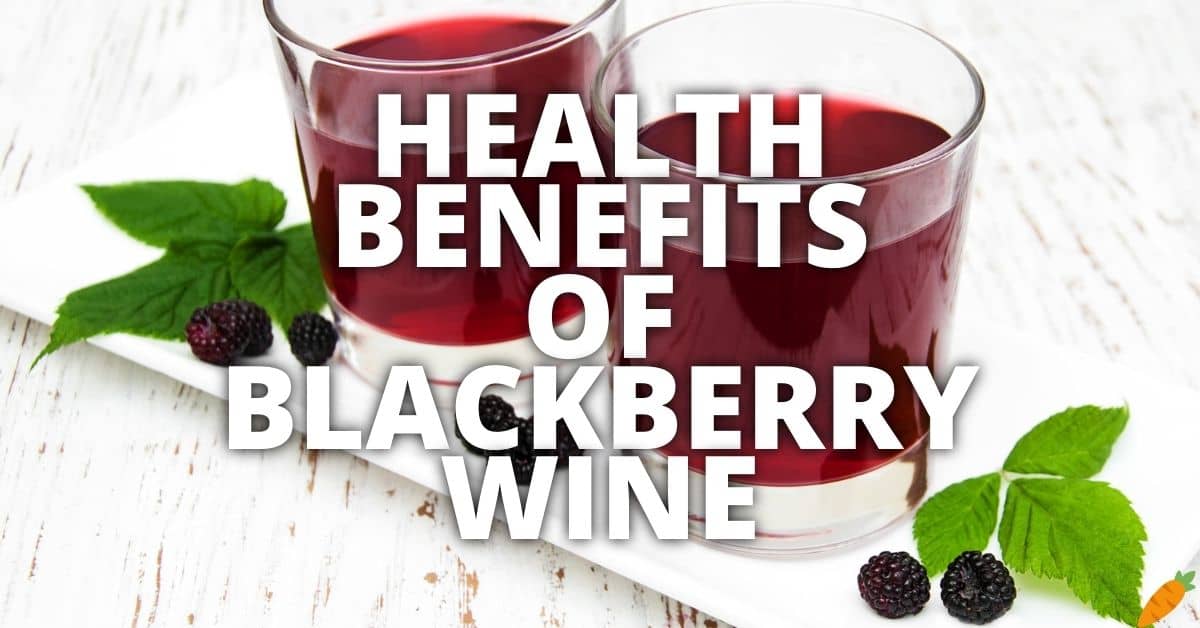
Blackberry wine is a fruit wine made by fermenting the juice of ripe blackberries with yeast. As the yeast consumes the fruit’s natural sugars and sometimes added sugar, it produces alcohol and a variety of flavor compounds that give the finished wine its distinctive taste and aroma.
Depending on the recipe and fermentation process, blackberry wine can range from dry to sweet. Many people enjoy it because of its deep purple color, fruity aroma, and pleasantly tart flavor.
Homemade blackberry wine has been popular for generations, especially in regions where blackberries grow abundantly. Today, commercial wineries also produce blackberry wine in many parts of the world.
Although blackberry wine is made from a nutritious fruit, it isn’t nutritionally identical to fresh blackberries. The fermentation and aging process alters the fruit’s composition. While some beneficial plant compounds remain, much of the fiber and certain vitamins are reduced.
That’s an important distinction because many of the well-known health benefits of blackberries come from nutrients that are more abundant in the fresh fruit than in the finished wine.
Nutritional Profile of Blackberry Wine
The exact nutritional content of blackberry wine varies depending on how it’s made, but in general, it contains:
- Alcohol
- Water
- Small amounts of natural fruit sugars
- Organic acids
- Polyphenols
- Anthocyanins
- Trace minerals
One group of compounds that deserves special attention is polyphenols.
Polyphenols are naturally occurring compounds found in many fruits, vegetables, tea, coffee, and cocoa. They’re best known for their antioxidant properties, which help protect cells from oxidative stress.
Blackberries are particularly rich in a type of polyphenol called anthocyanins. These compounds give blackberries their deep purple-black color and have been studied for their potential role in supporting cardiovascular health, brain function, and healthy aging.
While fermentation may reduce some of these compounds, blackberry wine can still retain a portion of them.
However, it’s equally important to remember that blackberry wine also contains alcohol. Even moderate alcohol consumption carries certain health risks, and drinking alcohol solely for its potential health benefits isn’t recommended by most health organizations.
If you already enjoy blackberry wine, moderate consumption may allow you to enjoy some of its naturally occurring plant compounds. But if you don’t drink alcohol, there’s no medical reason to start drinking blackberry wine for your health. Fresh blackberries provide similar beneficial compounds without the risks associated with alcohol.
Potential Health Benefits of Blackberry Wine
1. May Help Protect Against Oxidative Stress
One of blackberry wine’s most interesting characteristics is that it may retain some of the antioxidants naturally found in blackberries.
Every day, your body produces unstable molecules called free radicals. These molecules are a normal byproduct of metabolism, but they can also increase because of factors such as smoking, pollution, ultraviolet radiation, chronic stress, and poor dietary habits.
When free radicals outnumber your body’s natural defenses, they can contribute to oxidative stress. Over time, oxidative stress has been associated with aging and the development of several chronic diseases.
This is where antioxidants become important.
Antioxidants help neutralize free radicals before they damage healthy cells. Blackberries are particularly rich in anthocyanins, which are among the most powerful antioxidant compounds found in berries.
Although blackberry wine contains fewer antioxidants than fresh blackberries, some of these beneficial compounds can survive the fermentation process.
That means enjoying blackberry wine in moderation may contribute a small amount of dietary antioxidants. However, if maximizing your antioxidant intake is your goal, eating fresh blackberries remains the better choice.
📙 Potential Health Benefits of Bissy Tea
2. May Support Heart Health
Heart disease remains one of the leading causes of death worldwide, which is why researchers continue studying foods and beverages that may support cardiovascular health.
Some observational studies have suggested that moderate wine consumption is associated with a lower risk of certain cardiovascular conditions. However, more recent research indicates that these findings may also reflect healthier lifestyle habits among moderate drinkers rather than alcohol itself.
For blackberry wine specifically, the potential benefits are more likely related to its remaining plant compounds than to its alcohol content.
Anthocyanins and other polyphenols have been studied for their ability to:
- Help protect blood vessels from oxidative damage
- Support healthy blood vessel function
- Reduce oxidative stress
- Help maintain normal inflammatory responses
Together, these effects may contribute to overall cardiovascular health.
That said, excessive alcohol consumption can increase the risk of high blood pressure, heart rhythm problems, stroke, and heart failure.
For this reason, blackberry wine shouldn’t be viewed as a treatment for heart disease or as a substitute for a heart-healthy lifestyle that includes regular exercise, a balanced diet, adequate sleep, and avoiding tobacco.
📙 Potential Health Benefits of Birch Bark Tea
3. May Help Reduce Inflammation
Inflammation isn’t always a bad thing.
In fact, it’s one of your body’s natural defense mechanisms against infection and injury. Problems arise when inflammation becomes chronic and persists over months or even years.
Long-term inflammation has been linked to conditions such as:
- Heart disease
- Type 2 diabetes
- Arthritis
- Certain cancers
- Alzheimer’s disease
Researchers believe that anthocyanins found in berries may help regulate some of the body’s inflammatory processes.
Laboratory and animal studies suggest these compounds may reduce the production of inflammatory molecules while helping protect cells from oxidative damage.
Human studies have also produced encouraging findings, although more research is still needed to determine how much benefit people receive from consuming anthocyanin-rich foods and beverages.
Since blackberry wine retains some anthocyanins, moderate consumption may provide limited anti-inflammatory benefits.
However, it’s worth remembering that drinking excessive amounts of alcohol has the opposite effect. Heavy alcohol consumption can actually increase inflammation throughout the body and contribute to numerous chronic health problems.
In other words, moderation is essential.
📙 Potential Health Benefits of Sun Tea
4. May Support Healthy Brain Function
Your brain is particularly vulnerable to oxidative stress because it consumes a large amount of oxygen every day.
Scientists have long been interested in whether antioxidant-rich foods can help protect brain cells as we age.
Several studies suggest that people who regularly consume berries may experience slower age-related cognitive decline than those who rarely eat them. Researchers believe anthocyanins may play an important role by helping protect neurons from oxidative stress and supporting healthy communication between brain cells.
Some evidence also suggests these compounds may improve blood flow to the brain, which could benefit memory and learning.
It’s important to remember, however, that most of this research involves whole berries, not blackberry wine.
Although blackberry wine may retain some beneficial polyphenols, the concentration is generally lower than in fresh fruit.
In addition, excessive alcohol consumption can damage the brain and impair memory over time. Any potential benefit from blackberry wine is likely limited to moderate intake as part of an overall healthy lifestyle.
📙 Potential Health Benefits of Sheep Milk
5. May Contribute to Healthy Bones
Strong bones rely on a combination of nutrients, regular physical activity, and healthy lifestyle habits.
Fresh blackberries naturally contain minerals such as calcium, magnesium, and manganese, along with vitamin K, all of which play important roles in maintaining healthy bones. While blackberry wine doesn’t contain these nutrients in the same amounts as fresh berries, it may still retain small amounts depending on how it’s produced.
That said, it’s important to keep expectations realistic.
Most of the research linking these nutrients to bone health focuses on whole foods rather than alcoholic beverages. In fact, excessive alcohol consumption has consistently been associated with lower bone density and an increased risk of fractures.
If you’re drinking blackberry wine, it should complement a healthy lifestyle, not replace nutritious foods that are known to support bone health.
For stronger bones, prioritize calcium-rich foods, adequate vitamin D, regular weight-bearing exercise, and a balanced diet.
📙 Potential Health Benefits of Sangria
6. May Help Support Eye Health
Our eyes are constantly exposed to sunlight, pollution, and other environmental factors that can contribute to oxidative stress over time.
Fortunately, blackberries contain antioxidant compounds that may help protect eye tissues from damage.
Among these are anthocyanins, which have attracted scientific interest for their potential role in supporting healthy vision. Some studies suggest that diets rich in colorful fruits and vegetables may help reduce the risk of age-related eye conditions, although more research is needed.
Because blackberry wine may retain some of these antioxidants, it could provide a small contribution to your overall antioxidant intake.
However, fresh blackberries remain the better choice because they contain higher levels of beneficial nutrients without the risks associated with alcohol.
Maintaining healthy vision also involves regular eye examinations, protecting your eyes from excessive UV exposure, managing chronic conditions like diabetes, and eating a variety of colorful fruits and vegetables.
📙 Potential Health Benefits of Ozonated Water
7. May Support a Healthy Immune System
A strong immune system depends on many factors, including adequate sleep, regular physical activity, stress management, and proper nutrition.
Fresh blackberries provide vitamin C and numerous antioxidant compounds that help support normal immune function.
Although blackberry wine contains fewer vitamins than the original fruit, it may still retain certain polyphenols that help protect cells from oxidative stress.
Some laboratory studies suggest that berry polyphenols may influence immune responses by supporting the body’s natural defense systems.
However, there’s an important point worth mentioning.
Alcohol itself can weaken immune function when consumed excessively. Heavy drinking has been linked to an increased susceptibility to infections and slower recovery from illness.
For this reason, blackberry wine shouldn’t be considered an immune-boosting beverage.
If you enjoy it, moderation is the key.
📙 Potential Health Benefits of Organic Coffee
8. May Promote Healthy Skin
Healthy skin reflects more than just the products you apply; it’s also influenced by your diet, hydration, sleep, and overall lifestyle.
Blackberries are rich in antioxidants that help protect skin cells from oxidative damage caused by UV radiation and environmental pollutants.
Vitamin C, in particular, is essential for collagen production, while anthocyanins may help reduce oxidative stress that contributes to premature skin aging.
Although blackberry wine may retain some antioxidant compounds, it contains much lower amounts than fresh berries.
In addition, alcohol can promote dehydration, which may leave the skin looking dull and dry when consumed in excess.
So, while blackberry wine may contribute small amounts of beneficial plant compounds, healthy skin is far more likely to result from a balanced diet, proper hydration, sunscreen use, quality sleep, and a consistent skincare routine.
📙 Potential Wellness Benefits of Different Drinks
9. May Support Healthy Digestion
This benefit deserves a little clarification.
Fresh blackberries are an excellent source of dietary fiber, which supports healthy digestion, promotes regular bowel movements, and nourishes beneficial gut bacteria.
Unfortunately, most of that fiber is removed during the winemaking process.
As a result, blackberry wine shouldn’t be considered a meaningful source of dietary fiber.
However, some research suggests that berry polyphenols may still interact with the gut microbiome by supporting the growth of beneficial bacteria.
Scientists are continuing to study this area, and while the early findings are promising, much more research is needed before firm conclusions can be made.
If your goal is improving digestive health, eating fresh blackberries and other fiber-rich foods will provide far greater benefits than drinking blackberry wine.
10. May Support Healthy Blood Vessel Function
One of the more interesting areas of berry research involves the effects of polyphenols on blood vessels.
Anthocyanins and other flavonoids appear to help support the function of the endothelium, the thin layer of cells lining your blood vessels.
Healthy endothelial function helps regulate blood flow, maintain normal blood pressure, and support overall cardiovascular health.
Some studies suggest that diets rich in berries may improve vascular function by reducing oxidative stress and helping blood vessels relax more effectively.
This doesn’t mean blackberry wine prevents heart attacks or blood clots.
Instead, it suggests that some of the remaining berry polyphenols may contribute to healthy circulation when consumed as part of an overall healthy diet.
Again, moderation is essential because excessive alcohol intake has well-established negative effects on the cardiovascular system.
Is Blackberry Wine Healthy?
In my opinion, blackberry wine falls into the category of foods and beverages that can be enjoyed responsibly, but not relied upon for better health.
If you already enjoy an occasional glass, you may receive small amounts of beneficial polyphenols that survive the fermentation process.
However, if you’re looking to maximize the health benefits of blackberries, eating the fresh fruit is clearly the better option.
Fresh blackberries provide:
- More antioxidants
- More vitamin C
- More fiber
- More vitamins and minerals
- No alcohol
Current scientific evidence also suggests that people shouldn’t start drinking alcohol simply because of its potential health benefits.
Instead, focus on maintaining a healthy lifestyle built around nutritious foods, regular exercise, quality sleep, stress management, and avoiding tobacco.
If blackberry wine is part of that lifestyle, enjoy it responsibly and in moderation.
Conclusion
Blackberry wine offers an interesting combination of rich flavor and naturally occurring plant compounds inherited from the fruit it comes from.
While fermentation reduces some of the nutrients found in fresh blackberries, the wine may still retain beneficial polyphenols, particularly anthocyanins, that have been studied for their antioxidant and anti-inflammatory properties.
Current research suggests blackberry wine may support heart health, healthy aging, brain function, circulation, and other aspects of wellness. However, much of the evidence comes from studies on berries or berry compounds rather than blackberry wine itself.
It’s also important to remember that alcohol has its own health risks. Drinking more isn’t better, and no alcoholic beverage should be considered a health supplement.
Personally, I think blackberry wine is best enjoyed for its flavor and the experience of sharing it with family or friends, not because it’s expected to improve your health.
If you already enjoy blackberry wine, there’s nothing wrong with savoring an occasional glass responsibly. But if your goal is obtaining the greatest nutritional benefit from blackberries, you’ll be better off eating the fresh fruit.
As with many things in nutrition, balance is often the healthiest approach.
Frequently Asked Questions (FAQ)
1. Is blackberry wine healthier than red wine?
Both wines contain beneficial polyphenols, but they contain different types and amounts. Red wine is generally richer in resveratrol, while blackberry wine contains higher levels of anthocyanins. Neither should be consumed solely for health benefits.
2. Does blackberry wine contain antioxidants?
Yes. Blackberry wine may retain some antioxidants from the fruit, particularly anthocyanins and other polyphenols. However, the amount is generally lower than in fresh blackberries.
3. Can blackberry wine reduce inflammation?
Possibly. Anthocyanins have demonstrated anti-inflammatory properties in laboratory and human studies. However, more research is needed to determine whether blackberry wine itself provides meaningful anti-inflammatory benefits.
4. Is blackberry wine good for your heart?
Some of the polyphenols found in blackberry wine may support cardiovascular health. However, excessive alcohol intake increases the risk of heart disease, so moderation is essential.
5. Is blackberry wine good for people with diabetes?
People with diabetes should be cautious because blackberry wine contains alcohol and may also contain residual sugars. Anyone with diabetes should consult their healthcare provider before drinking alcoholic beverages.
6. Does blackberry wine contain vitamin C?
Very little. Much of the vitamin C naturally present in fresh blackberries is lost during fermentation and storage.
7. Can blackberry wine improve brain health?
Some berry polyphenols have been associated with healthy brain aging, but most research involves whole berries rather than blackberry wine.
8. Is homemade blackberry wine healthier than commercial blackberry wine?
Not necessarily. The nutritional content depends on the recipe, fermentation process, sugar content, alcohol level, and production methods.
9. How much blackberry wine is considered moderate?
In general, moderate alcohol consumption is defined as up to one drink per day for women and up to two drinks per day for men. However, not everyone should drink alcohol, and some health organizations emphasize that no amount of alcohol is completely risk-free.
10. Is eating blackberries healthier than drinking blackberry wine?
Yes. Fresh blackberries provide significantly more fiber, vitamins, minerals, and antioxidants without the risks associated with alcohol.
Content Disclaimer
This article is for educational and informational purposes only and should not be considered medical advice.
While blackberry wine may contain beneficial plant compounds that have been studied for their potential health effects, research is still evolving, and many findings are based on studies involving whole blackberries or isolated plant compounds rather than blackberry wine itself.
The potential benefits discussed in this article should not be interpreted as guaranteed outcomes, nor should blackberry wine be used to diagnose, treat, cure, or prevent any disease.
Alcohol consumption isn’t appropriate for everyone. Pregnant or breastfeeding individuals, people with liver disease, pancreatitis, alcohol use disorder, certain medical conditions, or those taking medications that interact with alcohol should avoid drinking alcoholic beverages unless advised otherwise by their healthcare provider.
If you have any questions about whether blackberry wine is appropriate for your individual health situation, consult your physician or another qualified healthcare professional.
Finally, remember that no single food or beverage can replace a balanced diet, regular physical activity, adequate sleep, stress management, and other healthy lifestyle habits. If your primary goal is improving your overall health, fresh blackberries remain a more nutritious choice than blackberry wine.