

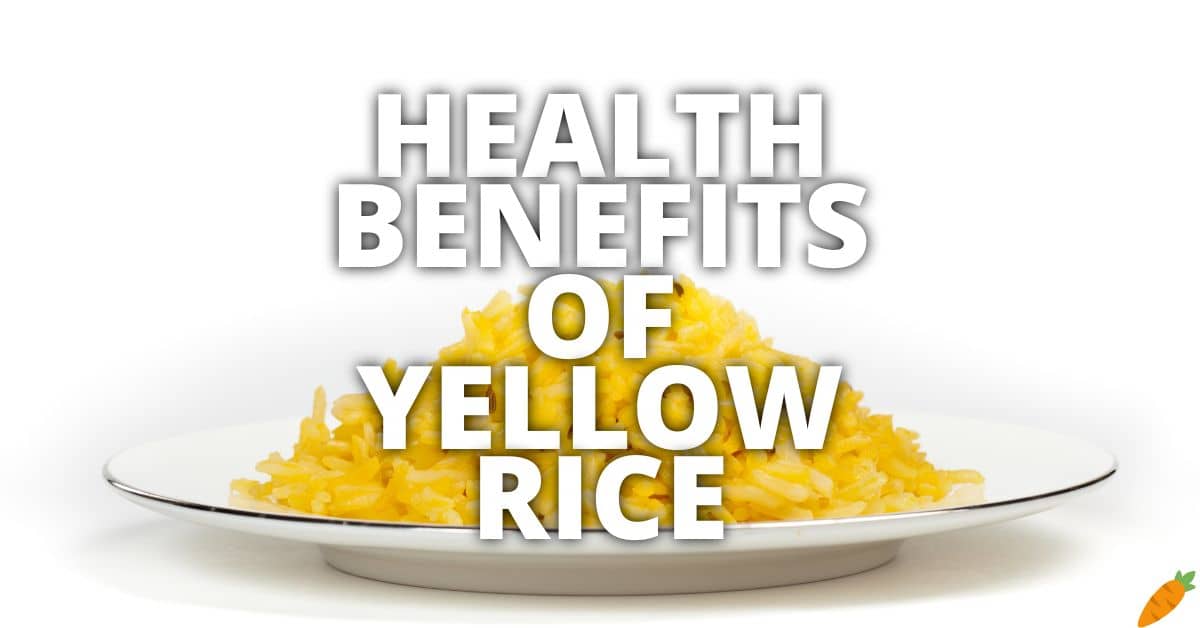
Yellow rice is a flavorful dish made by combining rice with turmeric and other seasonings that give it its signature golden color.
In addition to enhancing taste and appearance, these ingredients may also provide valuable nutrients and plant compounds that support overall health.
The potential health benefits of yellow rice are often linked to turmeric, which contains curcumin, a natural compound known for its antioxidant and anti-inflammatory properties.
Depending on the ingredients used, yellow rice may also contribute carbohydrates, fiber, vitamins, and minerals that help support daily wellness.
We’ll cover how yellow rice may benefit areas such as heart health, digestion, blood sugar management, energy levels, and more.
We’ll also explore why this popular dish continues to hold an important place in many cuisines around the world.
1. Antioxidant Power: How Yellow Rice Supports Cellular Health
Turmeric, a key ingredient in yellow rice, contains curcumin, a natural compound known for its antioxidant properties.
As a source of antioxidants, yellow rice may help protect cells from damage caused by free radicals, which are unstable molecules that form naturally in the body.
Over time, excess free radicals can contribute to oxidative stress, a process linked to aging and various health concerns.
By helping reduce oxidative stress, curcumin may support healthier cells and overall well-being.
Research suggests that including antioxidant-rich foods in your diet can help maintain a healthier cellular environment.
Adding yellow rice to balanced meals can be a simple way to increase your intake of beneficial antioxidants while enjoying a flavorful dish.
📙 Potential Health Benefits of Oyster Stew
2. Reducing Inflammation: The Anti-Inflammatory Benefits of Turmeric in Yellow Rice
One of turmeric’s most widely known benefits is its potential to reduce inflammation, thanks to the active compound curcumin.
Chronic inflammation in the body can lead to health issues such as arthritis, diabetes, and even heart disease.
Curcumin may help by blocking certain molecules that play a role in inflammation, potentially helping to relieve symptoms of inflammatory conditions.
Regular consumption of yellow rice may help manage inflammation levels in a gentle, natural way, supporting overall health.
Including anti-inflammatory foods like yellow rice in meals may offer a simple, everyday approach to reducing inflammation.
📙 Potential Health Benefits of Cullen Skink
3. Promoting Digestive Health: The Fiber and Carbohydrate Content of Yellow Rice
Yellow rice provides carbohydrates that supply the body with energy while also offering fiber that supports healthy digestion.
The carbohydrates help fuel daily activities, making yellow rice a useful part of a balanced meal.
When whole-grain rice is used, the added fiber can increase stool bulk and help food move more smoothly through the digestive tract.
Fiber also serves as a food source for healthy bacteria in the gut, which play an important role in maintaining digestive balance.
A healthy population of bacteria can help support a more stable gut environment and overall digestive wellness.
Pairing yellow rice with other fiber-rich foods, such as vegetables and legumes, may further promote regular digestion and gut health.
📙 Potential Health Benefits of Corn Chowder
4. Heart Health: How Yellow Rice Contributes to Cardiovascular Wellness
Yellow rice may support heart health, largely because it contains turmeric, a spice rich in the natural compound curcumin.
Research has linked curcumin to improved blood flow, which helps the heart and blood vessels function more efficiently.
Some studies also suggest that curcumin may help support healthy blood pressure levels, an important factor in cardiovascular wellness.
In addition, curcumin has been studied for its potential effects on cholesterol levels, including lowering LDL, often called bad cholesterol, while helping maintain HDL, known as good cholesterol.
Keeping cholesterol levels and blood pressure within healthy ranges may help reduce factors associated with heart disease.
As part of a balanced diet, yellow rice can be a flavorful way to include ingredients that support overall heart health.
📙 Potential Health Benefits of Cioppino

5. Nutrient-Rich Profile: Vitamins and Minerals Found in Yellow Rice
Yellow rice provides a variety of vitamins and minerals that can contribute to a balanced and nutritious diet.
Many of the nutritional benefits come from ingredients such as turmeric, which contains minerals including manganese and iron.
Iron helps the body produce healthy red blood cells and carries oxygen to tissues and organs, supporting energy and daily function.
Manganese plays an important role in bone development and also helps protect cells through its antioxidant activity.
The exact nutrient content can vary depending on the type of rice and seasonings used in the recipe.
When included as part of a healthy eating pattern, yellow rice can provide valuable nutrients that support overall health and energy levels.
📙 Potential Health Benefits of Seafood Bisque
6. Sustained Energy Boost: The Role of Complex Carbohydrates in Yellow Rice
Yellow rice, made from complex carbohydrates, offers a slow-release energy source that can keep you feeling energized for longer periods.
Unlike simple sugars that cause quick spikes in blood sugar, complex carbs in yellow rice are broken down gradually, providing a steady flow of energy.
This sustained release is helpful for staying alert and focused throughout the day without sudden energy crashes.
For those with active lifestyles or busy schedules, yellow rice can be a valuable addition to meals for balanced energy.
Choosing complex carbohydrate sources like yellow rice can support stable blood sugar levels and overall energy management.
📙 Potential Health Benefits of Lumpiang Keso
7. Supporting Healthy Blood Sugar Levels
Yellow rice may help support healthy blood sugar levels when enjoyed as part of a balanced diet.
Rice is a source of carbohydrates, which the body breaks down into glucose for energy.
The turmeric used in yellow rice contains curcumin, a natural compound that has been studied for its potential role in supporting healthy insulin function and glucose metabolism.
Some research suggests that curcumin may also help reduce inflammation, which can affect how the body manages blood sugar.
The type of rice used can also make a difference, as brown rice and other whole-grain varieties generally contain more fiber than white rice.
Fiber slows digestion and may help reduce sudden increases in blood sugar after meals.
Pairing yellow rice with lean protein, healthy fats, and vegetables can further support a steadier blood sugar response and provide more balanced nutrition.
📙 Potential Health Benefits of Lumpiang Ubod
8. Weight Management: Incorporating Yellow Rice into a Balanced Diet
Yellow rice can be a supportive part of a weight management plan when combined with other nutritious foods.
Its fiber content promotes fullness, which can help reduce snacking or overeating, making it easier to maintain a balanced calorie intake.
When paired with lean proteins and vegetables, yellow rice can offer a satisfying meal that keeps you full for longer without unnecessary calories.
The slow-release energy from its complex carbs also helps reduce cravings by providing consistent fuel.
By incorporating yellow rice into balanced meals, you can enjoy a filling, nutritious dish that supports your weight goals.
📙 Potential Health Benefits of Lumpiang Gulay
9. Potential Cancer-Fighting Properties: The Impact of Curcumin in Yellow Rice
Curcumin, the active compound in turmeric used in yellow rice, has been studied for its potential effects against certain types of cancer.
Research indicates that curcumin may interfere with cancer cell growth by reducing inflammation and acting as an antioxidant, both of which can impact how cancer cells spread.
Some studies suggest that curcumin may slow down the growth of tumors and even prevent cancerous cells from forming under certain conditions.
Although more research is needed to confirm these effects, adding yellow rice to your diet may be one small way to include a natural source of curcumin.
Regular consumption of foods with curcumin may support overall health and contribute to cancer prevention strategies.
📙 Likely Health Benefits of Different Dishes
10. Gluten-Free Choice: Why Yellow Rice Is Ideal for Gluten Sensitivities
Yellow rice is a naturally gluten-free option, which makes it suitable for people with gluten sensitivities or celiac disease.
Since it is made from rice, a grain that does not contain gluten, yellow rice can be enjoyed by people who need to avoid wheat-based foods.
The addition of spices like turmeric does not add gluten, ensuring that yellow rice remains safe for gluten-free diets.
As a versatile and flavorful option, yellow rice provides a delicious alternative to gluten-containing side dishes.
For those avoiding gluten, yellow rice offers a reliable, tasty choice that fits comfortably into a gluten-free lifestyle.
11. Cultural Significance: The Role of Yellow Rice in Global Cuisines
Yellow rice has long been an important part of many culinary traditions, often representing celebration, prosperity, and togetherness.
It is commonly served during holidays, family gatherings, and special events in regions such as Latin America, South Asia, and the Middle East.
While the ingredients and cooking methods may vary, the dish remains a valued part of local food culture.
The bright color from turmeric and its distinctive flavor help make yellow rice a popular choice in many traditional recipes.
Many people who ask, “Is yellow rice healthy for you?” are often interested in both its nutritional value and its long history in global cuisines.
Beyond its potential health benefits, yellow rice continues to bring people together through shared meals and cultural traditions.
💡 Conclusion
Yellow rice is more than just a colorful side dish; it brings a range of potential health benefits to the table.
From supporting heart health to aiding in digestion and potentially fighting inflammation, yellow rice has something to offer for overall wellness.
The key ingredient, turmeric, gives it unique health properties, making it a nutritious addition to any diet.
Beyond its health effects, yellow rice also provides a window into rich culinary traditions around the world.
By including yellow rice in your meals, you can enjoy a delicious, nutritious dish that supports both health and cultural appreciation.
⛑️ Safety First
While yellow rice offers potential health benefits, it’s important to consider that some of these benefits may be based on anecdotal evidence or emerging theories.
People with turmeric allergies, gallbladder issues, or those on blood-thinning medication should avoid consuming large amounts of yellow rice, as turmeric can have strong effects.
Always consult a doctor before adding it regularly to your diet, especially if you have existing health conditions.
These health benefits are not guaranteed, and effects may vary from person to person.
It’s a good idea to do your own research and seek professional guidance to ensure it’s safe and beneficial for you.
⚠️ Content Disclaimer
This article is intended for informational and entertainment purposes only and should not be considered medical advice.
The potential health benefits of yellow rice discussed here are based on general information and may not apply to everyone.
Always consult a healthcare professional before making changes to your diet, especially if you have any health conditions or dietary restrictions.
Individual responses to foods like yellow rice can vary, and this article does not replace personalized medical guidance.
Rely on professional advice and your own research for decisions related to your health.
❓ FAQs
1. Is yellow rice healthier than plain white rice?
Yellow rice may offer additional nutrients and plant compounds compared to plain white rice because it often contains turmeric and other seasonings.
Turmeric provides curcumin, which has antioxidant and anti-inflammatory properties.
The overall nutritional value can also depend on the type of rice used and the ingredients added during preparation.
Choosing yellow rice made with whole-grain rice may provide even more fiber and nutrients.
2. Can people with diabetes eat yellow rice?
People with diabetes may be able to enjoy yellow rice as part of a balanced meal, but portion size is important.
Rice contains carbohydrates that can affect blood sugar levels.
Pairing yellow rice with lean protein, healthy fats, and vegetables may help support a steadier blood sugar response.
Anyone with diabetes should follow the advice of their healthcare provider regarding carbohydrate intake.
3. What gives yellow rice its color and potential health benefits?
Yellow rice gets its bright golden color mainly from turmeric, a spice commonly used in many cuisines.
Turmeric contains curcumin, a natural compound that has been studied for its antioxidant and anti-inflammatory effects.
These properties are responsible for many of the potential health benefits linked to yellow rice.
Other spices may also contribute flavor and nutrients, depending on the recipe.
4. Is yellow rice naturally gluten-free?
Yes, yellow rice is generally gluten-free because rice does not naturally contain gluten.
Turmeric and most traditional seasonings used in yellow rice are also gluten-free.
However, some packaged mixes may contain added ingredients that include gluten or are processed in facilities that handle gluten-containing foods.
Reading ingredient labels can help ensure the product fits a gluten-free diet.
5. How can I make yellow rice part of a healthy meal?
Yellow rice can be part of a nutritious meal when served with a variety of wholesome foods.
Pairing it with lean proteins such as chicken, fish, beans, or tofu can help create a balanced plate.
Adding vegetables increases fiber, vitamins, and minerals while making the meal more filling.
Paying attention to portion sizes can also help support overall health and wellness.