
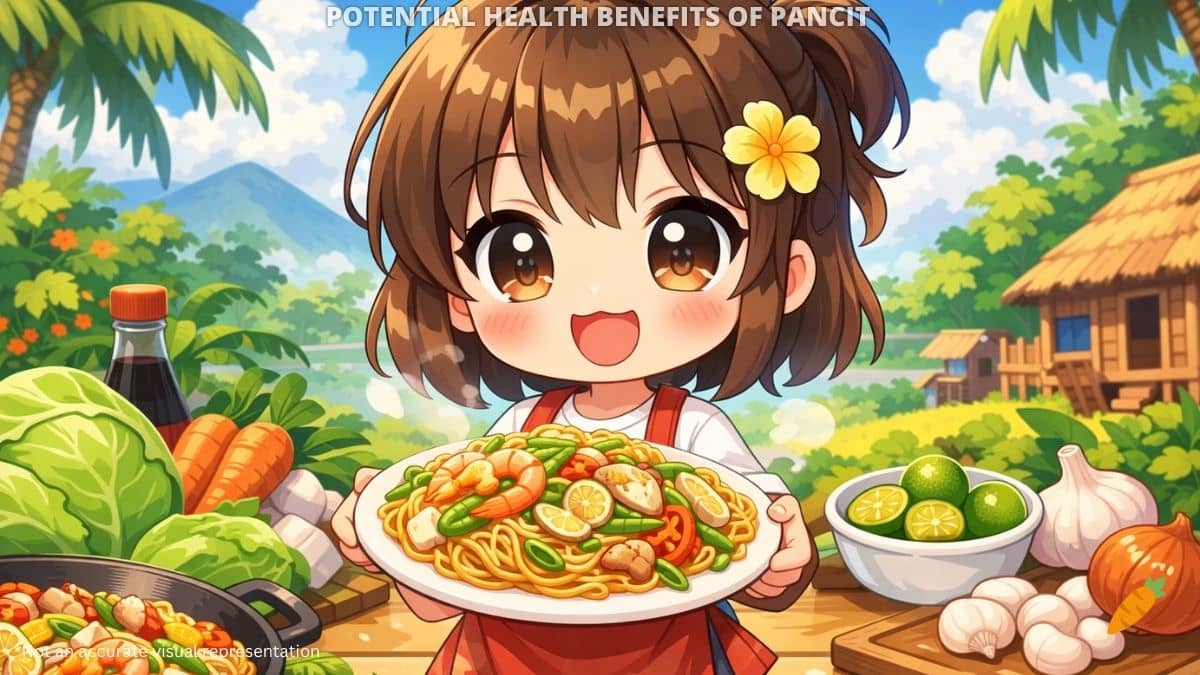
Pancit is a popular Filipino noodle dish that often brings together noodles, vegetables, and protein in one meal.
Its flexible recipe allows us to adjust ingredients based on health needs and taste.
When prepared with fresh foods and simple methods, it can support balanced eating habits.
Portion control and ingredient choices matter more than the dish itself.
Understanding what goes into pancit helps us make better decisions at the table.
These points highlight the potential health benefits of pancit in everyday meals.
1. Fiber-Rich Vegetable Medley
Vegetables like cabbage, carrots, snow peas, and bell peppers are common in pancit.
These vegetables provide fiber that supports digestion and regular bowel movement.
Fiber also helps us feel full longer, which can reduce overeating later in the day.
Keeping vegetables lightly cooked preserves texture and nutrients.
Adding a wide range of colors improves nutrient intake and visual appeal.
A vegetable-heavy pancit supports gut health while keeping meals satisfying.
📙 Potential Health Benefits of Batchoy
2. Lean Protein-Packed Nourishment
Protein sources such as chicken breast, shrimp, fish, or tofu are often added to pancit.
Lean protein helps repair tissues and supports muscle strength.
It also slows digestion, which helps keep energy levels steady.
Choosing grilled or lightly sautéed protein avoids extra fat.
Proper portion size keeps protein helpful rather than excessive.
Balanced protein intake makes pancit more filling and nutritious.
📙 Potential Health Benefits of Upma
3. Immune-Boosting Calamansi Infusion
Calamansi is a small citrus fruit commonly served with pancit.
Its juice contains vitamin C, which supports a normal immune response.
Adding calamansi at the end of cooking keeps its fresh taste and nutrients.
The sour flavor reduces the need for salty sauces.
This simple step improves both taste and nutrition.
Regular use adds brightness while supporting immune health.
📙 Potential Health Benefits of Pancit Canton
4. Natural Antioxidant-Based Sauté
Cooking pancit often begins with garlic and onions in a small amount of oil.
These ingredients contain natural antioxidants that protect cells from damage.
Gentle heat releases flavor without burning the food.
Using moderate oil keeps calories under control.
Adding vegetables soon after helps them absorb flavor naturally.
This cooking method builds taste while supporting overall wellness.
📙 Potential Health Benefits of Lumpiang Shanghai
5. Low-Calorie Volumetric Meal
Pancit can feel filling without being heavy when vegetables take up most of the dish.
High-volume foods like cabbage and bean sprouts add bulk with fewer calories.
This helps us feel satisfied after eating.
Large portions become easier to manage when calories are controlled.
Mindful cooking allows us to enjoy a full plate without excess.
This makes pancit useful for weight management goals.
📙 Potential Health Benefits of Ogbono Soup
6. Gluten-Free Noodle Alternatives
Rice noodles and glass noodles are common pancit options.
These noodles are naturally gluten-free and easy to digest for some people.
They also cook quickly and absorb flavor well.
Choosing these noodles helps those who avoid wheat enjoy the dish safely.
Texture remains pleasant without needing thick sauces.
Flexible noodle choices make pancit more inclusive.
📙 Potential Health Benefits of Kare-Kare
7. Essential Micronutrient Diversity
Pancit includes foods from several food groups in one dish.
Vegetables provide vitamins like A and C, while meats offer iron and zinc.
Noodles contribute B vitamins needed for energy use.
Eating these together improves overall nutrient intake.
Variety reduces the risk of missing key nutrients.
A diverse plate supports long-term health.
📙 Potential Health Benefits of Lechon
8. Heart-Healthy Sodium-Conscious Options
Soy sauce and broth can raise sodium levels if used heavily.
Reducing sauce and using herbs helps control salt intake.
Garlic, onions, and citrus add flavor without extra sodium.
Choosing low-sodium sauces further protects heart health.
Balanced seasoning keeps blood pressure in mind.
Small changes make pancit more heart-friendly.
📙 Likely Health Benefits of Different Dishes
9. Slow-Release Energy Carbohydrates
Noodles supply carbohydrates that fuel daily activity.
When paired with protein and fiber, digestion slows down.
This leads to steadier energy throughout the day.
Avoiding refined add-ins keeps blood sugar more stable.
Balanced meals help prevent fatigue.
Pancit works well as a sustained energy source when prepared thoughtfully.
10. Anti-Inflammatory Aromatics
Garlic, onions, and sometimes ginger are key flavor bases in pancit.
These aromatics contain compounds associated with reduced inflammation.
Regular intake supports joint and tissue comfort.
Using fresh aromatics improves flavor without heavy seasoning.
Light cooking preserves their benefits.
These ingredients support comfort while enhancing taste.
💡 Conclusion
Pancit offers flexibility that supports balanced eating when prepared with care.
Ingredient choices and cooking methods shape its nutritional value.
Focusing on vegetables, lean protein, and mindful seasoning yields the best results.
The potential health benefits of pancit grow when we cook with intention.
Simple adjustments make a meaningful difference.
With guidance and balance, pancit can support everyday wellness.
⛑️ Safety First
Pancit may offer potential health benefits, but these benefits are not guaranteed for everyone.
Some of the potential health benefits of pancit may be based on general nutrition knowledge, anecdotal evidence, or early theories rather than strong scientific proof.
People with food allergies, gluten sensitivity, gout, kidney issues, or strict sodium limits should be careful with ingredients like noodles, seafood, and sauces.
Certain individuals may need to avoid pancit or adjust recipes based on personal health conditions.
It is important to research these possible benefits and limits using reliable sources.
Talking with a doctor or a qualified health professional before making regular diet changes is strongly recommended.
⚠️ Content Disclaimer
This content is provided for general information only and may also be treated as entertainment.
It does not give medical, nutritional, or professional advice of any kind.
The information shared may not apply to everyone or every health situation.
Some ideas discussed may be based on general knowledge rather than proven research.
Readers are encouraged to check reliable sources and think carefully before using the information.
Always talk with a qualified professional for advice about health or diet choices.
❓ FAQs
1. Can pancit be part of a healthy diet?
Pancit can be part of a healthy diet when prepared with balanced ingredients.
Using more vegetables, lean protein, and moderate seasoning improves its nutritional value.
Portion size also plays an important role.
Thoughtful preparation helps support the potential health benefits of pancit.
2. Is pancit good for people trying to manage their weight?
Pancit may help with weight management when vegetables make up most of the dish.
High-volume vegetables help you feel full with fewer calories.
Limiting oil and salty sauces also supports this goal.
Eating mindfully remains important for results.
3. Can people with gluten sensitivity eat pancit?
Some pancit recipes use rice noodles or glass noodles, which are naturally gluten-free.
These options allow people who avoid wheat to enjoy the dish.
It is still important to check sauces and seasonings for hidden gluten.
Ingredient awareness helps prevent problems.
4. Is pancit high in sodium?
Pancit can be high in sodium if large amounts of soy sauce or broth are used.
Sodium levels depend on cooking choices rather than the dish itself.
Using low-sodium sauces and adding citrus or herbs can reduce salt.
Small changes make a big difference.
5. Are the health benefits of pancit proven by science?
Many benefits discussed come from general nutrition knowledge rather than direct studies on pancit.
Some ideas may be based on observation or common dietary guidance.
Results can vary from person to person.
Researching further and asking a health professional is always a good step.